

Wholesale Stacking Door: The Complete Sourcing Guide for Businesses
2026-07-23
Stacking doors can transform commercial spaces, but finding the right supplier often feels overwhelming. Sourcing mistakes lead to delays, hidden costs, and doors that don't last. In this guide, we cut through the confusion and spotlight NORTON—a manufacturer known for reliable quality and straight talk. Get ready to make confident decisions that save time, money, and headaches.
Stacking Doors Explained: What Every Business Buyer Should Know
Stacking doors, often called bi-fold or accordion doors, aren't just another entryway—they're a strategic design move. They consist of multiple panels that fold and slide along a track, stacking neatly to one or both sides. When fully open, they erase the boundary between inside and outside, turning a partitioned space into a single, expansive area. For businesses, this isn't merely about aesthetics; it's about controlling the customer experience. A café with a storefront that fully opens invites foot traffic in a way that a single door never could. Similarly, a hotel lobby that merges with a courtyard can instantly shift from cozy to capacious, adapting to events and weather.
Before you invest, consider the mechanics and materials that separate a reliable system from a perpetual headache. Tracks must handle constant use without catching, and panels need to be rigid yet lightweight. Aluminum frames with reinforced corners often outperform wood in high‑traffic settings, while stainless steel hardware resists corrosion in coastal or humid environments. Pay close attention to the threshold options: a recessed track keeps the floor nearly flush, reducing trip hazards, while a raised saddle might offer better weather sealing. Also, think about operation—some systems allow you to stack panels in a parking bay or to the outside of the building, which can save precious floor space inside.
Stacking doors do more than open a room; they reconfigure your business's relationship with its environment. They create a seamless flow that can increase seating capacity, improve visibility, and even reduce energy costs by maximizing natural ventilation and light. But their true value shows in the daily decisions they simplify. On a mild day, you can open half the panels for a gentle breeze; during a sudden downpour, a quick slide seals everything tight. That adaptability is what turns a wall of glass from a flashy feature into a fundamental asset, one that quietly boosts operational flexibility and leaves a lasting impression on anyone who walks through.
Why Stock Up? The Top Advantages of Wholesale Stacking Doors
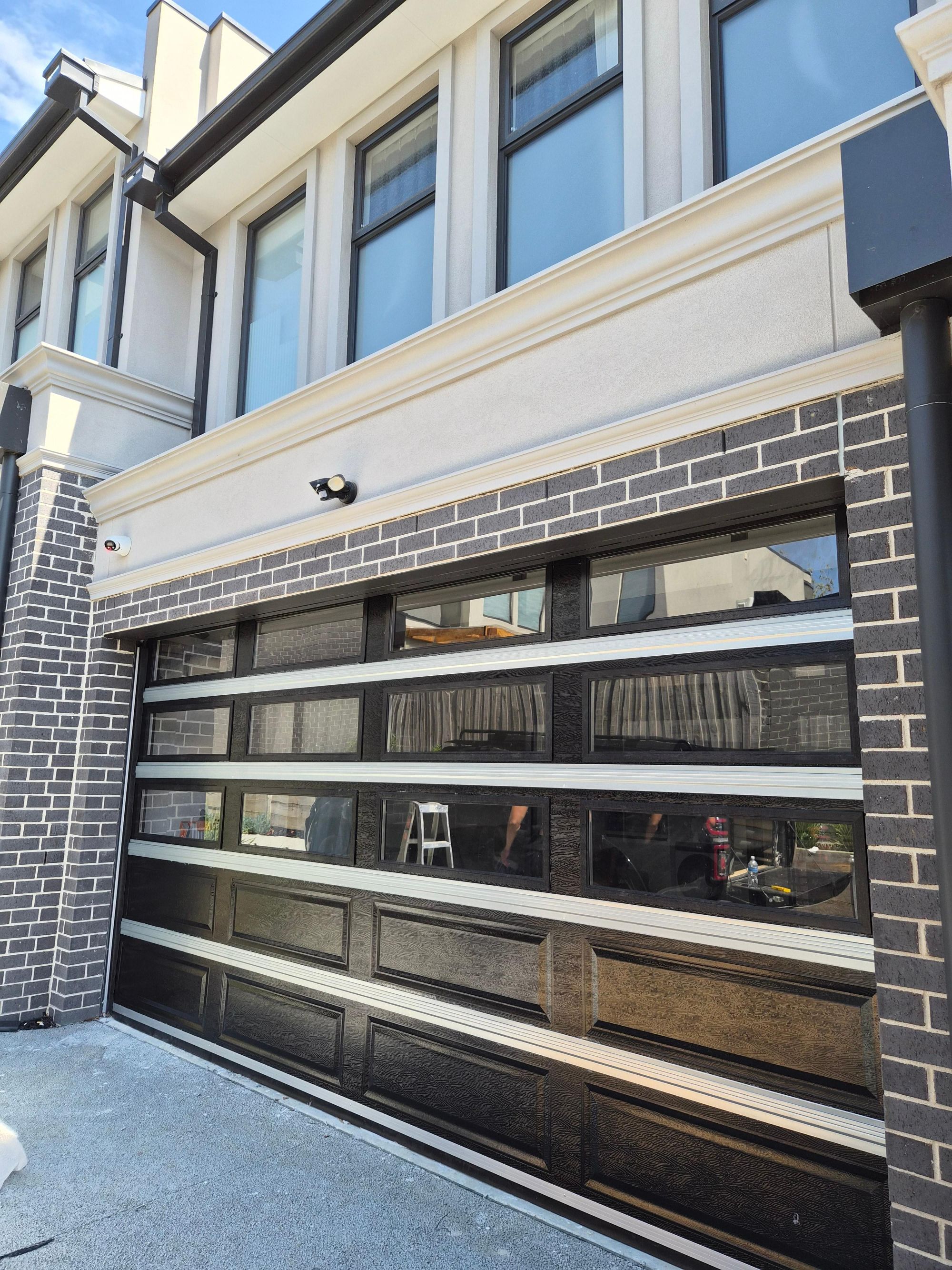
For businesses tackling large-scale builds or frequent renovations, keeping a steady supply of stacking doors on hand eliminates the scramble of last-minute orders. Bulk purchasing means you sidestep unpredictable lead times and shipping delays, letting you maintain momentum on tight deadlines. It’s less about filling a warehouse and more about having exactly what you need when the next phase of construction kicks in—no waiting, no costly downtime.
There’s a quiet profitability in wholesale that goes beyond unit price. When you stock up, you tap into volume discounts that stretch your budget further, leaving room for higher-grade hardware or bespoke finishes that set your projects apart. Plus, consistent inventory lets you standardize dimensions across multiple sites, simplifying installation and reducing the labor hours typically lost to custom adjustments.
Stacking doors, by design, open up entire walls and blur the line between indoors and out—and having them readily available means you can pitch that lifestyle upgrade to clients without compromise. Wholesale lets you offer a broader range of configurations and glass options without the wait, turning what could be a bottleneck feature into a seamless part of your sales pitch. It transforms a practical storage decision into a design flexibility advantage.
Material Showdown: Picking the Right Build for Your Customer Base
Every material tells a story, and the one you choose for your product writes the first chapter of your customer’s experience. A sleek aluminum unibody whispers premium and durability, while a soft-touch polycarbonate feels approachable and warm in the hand. Glass backs catch the light beautifully but shatter too easily for an active, on-the-go crowd. The trick is to listen closely to what your customers value most—whether it’s a featherweight feel, a rugged shell that survives drops, or a texture that resists fingerprints after a long day. These subtle material choices create the emotional and practical foundation that turns a one-time buyer into a brand loyalist.
Diving deeper, the decision often boils down to who you’re building for. A budget-conscious audience might forgive a high-quality polymer if it keeps the price down, while professionals in demanding fields expect the reassurance of stainless steel or reinforced composites. Aesthetics aren’t just superficial either—a matte finish can hide scratches where a glossy surface shows every scuff, directly impacting how long the product feels new. Sustainability is another layer: a customer base that cares about the planet will respond to recycled materials or bioplastics, even if they require a slightly higher price point. Matching the material to the mindset creates a product that feels almost tailor-made, as if it truly understands the person holding it.
Sourcing Smart: Finding Reliable Stacking Door Manufacturers
Finding a supplier who genuinely understands the nuance of stacking door systems goes far beyond browsing a catalog. You want to see how they handle the weight of multiple panels, their tolerance for frequent use, and how the hardware stands up after thousands of cycles. A reliable partner will openly share testing data or arrange a live demo of a comparable installation, not just talk about premium materials. Dive into specific industries they've served—hospitality, high-end residential, commercial storefronts—and ask for references tied to projects that mirror your own in scale and climate exposure.
Dig into the details that separate dedicated door specialists from general metal fabricators. Where do they source their rollers and tracks, and what kind of warranty do they offer on moving parts versus the frame? Visit the factory if possible, or ask for a virtual walkthrough of their assembly line and quality checks. Pay attention to how they respond to questions about customization: a manufacturer who only pushes stock sizes might not be the right fit for an architectural project requiring distinct sightlines or acoustic ratings. The best ones treat your inquiry not as a transaction but as a design conversation where their engineering input adds early value.
Finally, look for consistency in how they handle logistics and after-sales support. A reliable manufacturer will have clear lead times that account for freight and provide packing that protects powder-coated surfaces during transit. Reach out to past clients through industry forums or LinkedIn, and ask not just if the doors arrived on time, but how the company behaved when an unexpected issue came up—that's when true reliability surfaces. This kind of legwork might seem heavy upfront, but it separates a one-time purchase from a supply relationship that can sustain your projects for years.
Made to Order: Custom Features That Win Over Clients
When a client asks for something that doesn't fit the standard mold, rolling up your sleeves and tailoring a feature can turn a one-off inquiry into a long-term partnership. It’s not about offering a laundry list of options—it’s about digging into the why behind the request and crafting a solution that feels almost prescient.
Custom work also shifts the dynamic from vendor to collaborator. Suddenly, you’re not just selling a product; you’re co-creating something that carries their fingerprint. That sense of ownership makes the final deliverable sticky—clients rarely walk away from a tool that mirrors their own thinking.
We’ve seen cases where a seemingly small tweak, like adapting an analytics dashboard to track an industry-specific metric, became the silent hero of a deal. The client didn’t just get what they needed; they felt heard. And that emotional resonance is often what tips the scales.
From Delivery to Setup: Managing the Logistics Like a Pro
When boxes start piling up at your doorstep, the real work begins. First, resist the urge to tear into everything at once. Instead, do a quick inventory against your order confirmation. This saves you from the chaos of discovering missing parts when you’re already knee-deep in assembly. Mark off each item with a pen, and snap photos of anything damaged. Most carriers give you a narrow window to report issues, so make this your top priority right after the delivery driver leaves.
Next, think about the space where everything will live. Clear the area completely—more than you think you need. If you’re setting up office furniture, for example, remove all chairs, rugs, and clutter. Lay out all components by grouping similar pieces together. This transforms a heap of cardboard into a manageable workshop. Keep the hardware separated in small bowls or bags so you’re not hunting for that one peculiar screw later. A clear, organized staging zone cuts assembly time drastically and reduces frustration.
Finally, treat the setup like a project with its own rhythm. Work from the ground up, both literally and figuratively. Start with the largest, most foundational pieces before attaching delicate add-ons. Periodically step back to check alignment and stability. If you hit a snag, walk away for five minutes rather than forcing it—fresh eyes catch mistakes faster. Once everything is in place, celebrate the smooth transition from a mountain of packaging to a perfectly functional setup, and make a neat bundle of the leftover materials for easy disposal or return shipping.
FAQ
A stacking door is a multi-panel system that neatly folds and stacks to one or both sides, opening up an entire wall without a visible track or frame in the middle. Unlike standard sliding doors that keep at least half the opening blocked or bi-fold doors that accordion into a smaller footprint, stacking doors slide along an upper or lower rail and then tuck compactly against a jamb, giving you a virtually seamless indoor-outdoor transition.
Buying wholesale dramatically reduces per-unit cost because manufacturers offer tiered pricing for volume orders. You also get access to consistent quality across an entire development, simplified logistics, and the ability to secure ongoing supply for phased projects without worrying about stock interruptions or design mismatches.
You'll typically find aluminum, steel, and wood-aluminum hybrid frames. Aluminum is lightweight, corrosion-resistant, and ideal for coastal or high-traffic areas. Steel offers superior security and larger spans for industrial settings. Wood-clad aluminum gives a warm aesthetic for hospitality projects but requires more maintenance. Choice hinges on your structural load, exposure, and design intent.
Most systems handle between 3 and 12 panels, but the number depends on the track weight capacity and the available stacking space at the sides. A common configuration in retail and restaurants is 6-8 panels that leave a clear opening of up to 20 feet. For wider spans, you might need a custom engineered solution with reinforced headers and motorized operation.
Insist on documentation for EN 14351-1 (CE marking) in Europe, AAMA/WDMA/CSA 101/I.S.2/A440 in North America, or equivalent local compliance. For energy efficiency, look for NFRC-rated products. Also ask for test reports on air permeability, water tightness, and wind load resistance—suppliers should provide these without hesitation.
Absolutely. Many high-end retail stores, hotels, and restaurants opt for motorized stacking doors for ease of use and a touch of luxury. You can integrate sensors, remote controls, or building management systems. When sourcing, confirm whether the automation kit is included or an add-on, and ensure the track is designed to handle the extra hardware weight.
Lead times range from 4 to 12 weeks after order confirmation, depending on customization and factory backlog. For sea freight, add another 3-6 weeks. Always factor in potential port delays and have your supplier package the panels in reinforced crates to prevent glass breakage. Some businesses order an extra 5-10% as buffer for on-site mishandling.
Request physical samples or visit a showroom if possible. Check their project portfolio—especially completed commercial jobs. Ask for references from past buyers and follow up on them. A reliable supplier will also offer a clear warranty (usually 10 years on profiles and 5 on hardware) and be transparent about their factory inspection process, such as their ISO certification or third-party quality audits.
Conclusion
Understanding stacking doors starts with recognizing their role as space-saving, light-enhancing solutions for commercial and residential projects alike. For any business buyer, the key lies in knowing that these multi-panel systems slide and fold neatly, creating wide openings that seamlessly connect interiors with outdoor areas. This isn't merely about aesthetics— it's about practical functionality that clients increasingly demand for restaurants, event spaces, and modern offices. When you stock these doors in bulk, you're not just adding a product; you're offering a versatile asset that can adapt to different architectural styles and usage patterns, from high-traffic storefronts to private homes seeking that indoor-outdoor flow.
Sourcing smart means going beyond generic catalogs and building partnerships with manufacturers who truly grasp material distinctions— whether it's aluminum for lightweight durability, timber for warmth, or composites for weather resistance. The most successful importers and distributors invest time in vetting production capabilities, ensuring that customizations like threshold height, panel configuration, or glazing options meet regional preferences without ballooning lead times. Logistics, too, shape the bottom line: from container optimization to clear communication on site-readiness, the difference between a smooth delivery and a costly delay often comes down to proactive planning. By blending informed material choices, reliable supplier relationships, and logistical foresight, businesses transform stacking doors from a commodity into a strategic offering that wins repeat clients and strengthens market position.
Contact Us
Contact Person: Cyril He
Email: [email protected]
Tel/WhatsApp: 8613969697307
Website: https://cqyqgd.en.alibaba.com/