

Warehouse Forklift: How to Pick the Right Model for Maximum Efficiency
2026-07-31
Choosing the right warehouse forklift isn’t just about lifting heavy loads—it’s the cornerstone of a seamless, efficient operation. With countless models and configurations flooding the market, one wrong decision can quietly drain productivity and spike costs. That’s where HANGCHA steps in: a brand that combines innovative design with rugged reliability, helping you cut through the noise. Whether you’re navigating narrow aisles or handling high-volume throughput, the secret to maximum efficiency lies in matching the forklift to your unique workflow. Ready to discover what truly matters before you invest? Let’s unpack the key factors that often go overlooked.
Start with a brutally honest assessment of your workload
Start with a brutally honest assessment of your workload
Take a hard look at everything on your plate—no sugarcoating. How much of it actually moves the needle, and how much is just busywork dressed up as productivity? List every project, meeting, and recurring task, then ask yourself: If I stripped away the fluff and the favours I said yes to out of guilt, what would remain?
This isn’t about being pessimistic; it’s about clarity. When you acknowledge that half your to-do list is padding, you free up mental space for the work that matters. And that honesty is the first step toward a schedule that respects your limits instead of burning you out.
How your warehouse layout dictates forklift design
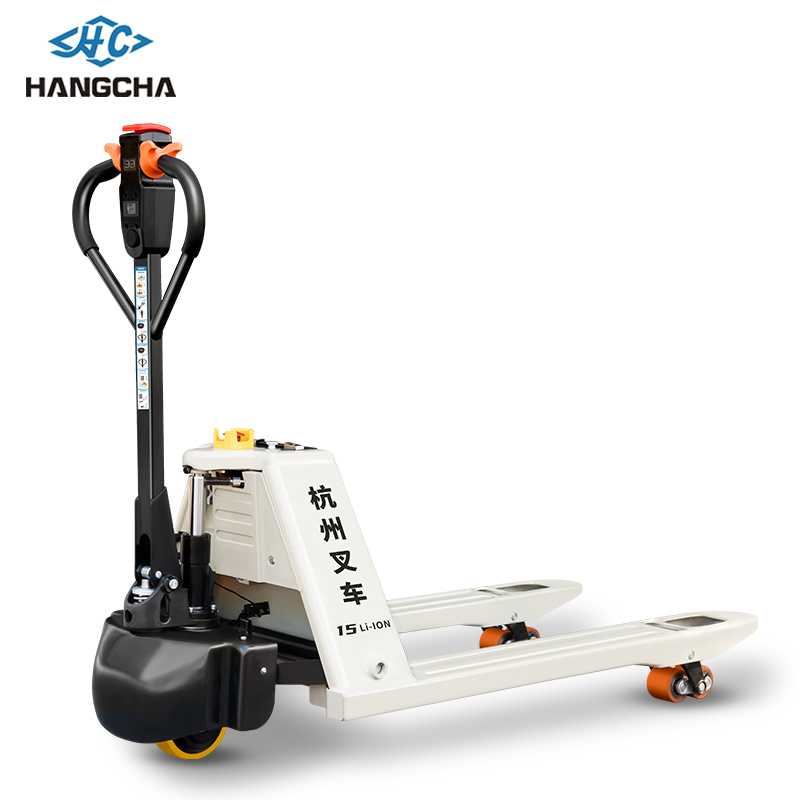
Warehouse layout isn’t just about maximizing storage—it directly shapes the kind of forklift you’ll end up buying. Narrow aisles demand compact, highly maneuverable machines like reach trucks or articulated forklifts, while wide-open spaces allow for larger counterbalance models that can move more material per trip. Even the turning radius becomes a dealbreaker when racks are packed tightly together.
Rack height and load placement also force specific design choices. High-bay warehouses with narrow aisles often require turret trucks that can rotate forks 180 degrees without repositioning, but these machines need perfectly flat floors. If your layout relies on drive-in racking or double-deep storage, you’ll need forklifts with specialized mast staging and extended reach—features that add cost and complexity but are non-negotiable for that configuration.
Floor surface and dock areas are equally critical. Uneven floors or frequent transitions between indoor and outdoor slabs call for pneumatic tires and higher ground clearance, while smooth, polished concrete inside a cold storage facility may only support cushion tires. The location and angle of loading docks influence whether you need a forklift with high under-clearance or a specific tilt range, making it clear that layout doesn’t just dictate the forklift’s capabilities—it carves out which designs are even worth considering.
The lift capacity you really need—not what the brochure says
Brochures love highlighting maximum capacities, but those numbers assume a perfectly balanced load on smooth, level ground. On a real job site, you’re dealing with slopes, uneven terrain, and attachments that shift the center of gravity. That 2,000-pound rating might drop by half once you factor in the real-world conditions you face every day.
It’s not just about tipping loads either. Repeatedly pushing a machine to its brochure limit wears out hydraulics, frames, and pins faster than you’d think. A machine sized for your everyday tasks—not a one-off heavy lift—stays productive longer and costs less in downtime. Think about what you actually move 90% of the time, then add a margin for the unexpected, not the marketing headline.
Fuel choices that affect more than just the exhaust pipe
When we talk about cleaner fuels, the conversation often ends at tailpipe emissions. But the story of a fuel's footprint begins long before it reaches the tank. From extraction and refining to transportation and combustion, every step leaves a mark on air, water, and land. Choosing a fuel isn't just about what comes out of the exhaust—it's about the invisible costs hidden in the supply chain.
Take conventional gasoline: drilling, fracking, and refining require vast amounts of water and energy, often releasing methane—a greenhouse gas far more potent than CO2. Even 'cleaner' alternatives like corn ethanol can strain water resources, displace food crops, and rely heavily on fertilizers that pollute waterways. The true environmental price of a fuel is scattered across ecosystems, not just tailpipes.
Electricity for EVs offers another twist. If the grid runs on coal, the car is essentially coal-powered, with mining and ash disposal wreaking havoc elsewhere. But when renewables feed the grid, the benefits multiply far beyond urban air quality. Every fuel choice is a vote for a particular industrial landscape—one that can either preserve or poison the places we live, far from the roadside.
Why the operator's seat is your most underrated efficiency lever
The operator's seat might seem like a minor detail, but it’s where productivity either takes root or crumbles. A poorly designed seat leads to fatigue, discomfort, and distracted operators—all of which chip away at efficiency in ways that rarely get traced back to the source. When your team spends hours in that chair, even small ergonomic shortcomings compound into significant losses over time.
Think about it: an operator who is constantly shifting to find a comfortable position isn’t fully focused on the task at hand. That split-second readjustment might not show up on a spreadsheet, but multiply it across an entire shift, and you’re looking at real declines in both speed and accuracy. The right seat, on the other hand, keeps the operator steady, reducing unnecessary movement and keeping attention where it belongs.
Beyond immediate comfort, a well-engineered operator’s seat can actually extend the effective working life of your equipment. Vibration dampening and proper support reduce the physical strain that leads to long-term injury and absenteeism. It’s a quiet investment that pays off in fewer disruptions and a more engaged workforce—making the seat far more than just a place to sit.
Maintenance truths that forklift salespeople rarely share
You’ll often hear that a forklift is built like a tank, but what they don’t tell you is that even tanks have a fuel filter that needs changing. Sales brochures highlight impressive lift capacities and ergonomic seats, never the fact that neglecting something as mundane as hydraulic fluid quality can turn a six-figure machine into a very expensive paperweight. The reality is, most breakdowns don’t start with a catastrophic failure; they start with a clogged breather cap or a wire chafing against the frame that nobody noticed.
Another carefully avoided topic is that your “low-maintenance” AC motor still needs its contactors checked and its cooling fans cleaned or it will overheat and quit at the worst possible moment. Salespeople won’t mention that the sealed bearings in your new electric model aren’t really sealed for life around the dust and moisture of a typical warehouse, and that skipping proactive greasing intervals will have you replacing mast rollers far sooner than the lease agreement outlines. They’d rather you read the glossy uptime percentages than the fine print about what voids a warranty.
Perhaps the biggest secret is that maintenance schedules printed in the manual assume ideal conditions—clean floors, moderate temperatures, competent operators. In the real world, those intervals should often be cut in half, but that’s not the kind of truth that helps commission checks. The forklift that seems like a bargain today may come with a hidden hunger for specialized tools and dealer-only diagnostic software that locks you into a service contract you never saw coming.
FAQ
Start by examining your typical load weights and lift heights. A forklift that struggles with your heaviest pallets or can’t reach top racks will bottleneck your entire operation.
They’re often the best choice due to zero emissions and quieter operation. But don’t overlook lithium-ion models—they charge faster and last longer than traditional lead-acid batteries, keeping your shifts moving without downtime.
Narrow aisles demand compact, maneuverable trucks like reach or turret forks. Wide-open spaces let you use larger counterbalance models. Align the equipment to your floor plan, or you’ll waste time navigating tight corners.
Both matter, but it’s a balance. Over-specifying capacity adds unnecessary cost and bulk. Measure your tallest rack and heaviest load, then add a small buffer—don’t buy for hypothetical needs.
It hinges on your environment. Indoor facilities typically need electric to avoid fumes. Diesel offers raw power for outdoor or heavy-duty tasks. Propane provides flexibility if you work across both settings but requires ventilation.
It’s huge. An uncomfortable operator makes more mistakes and moves slower. Look for adjustable seats, intuitive controls, and good visibility—those little ergonomic details directly affect throughput.
Definitely. A forklift is a long-term investment. Think about potential expansion, new product lines, or taller racking. Modular designs that handle upgrades or attachments can adapt instead of forcing a full replacement later.
Conclusion
Choosing the right warehouse forklift isn't about chasing the highest specs or the shiniest new model—it's about matching the machine to the brutal reality of your daily operations. Start by taking a hard, honest look at your typical workload: how many hours a day is the forklift actually moving loads, what kind of weights are involved, and how high are you really lifting? Too many operations buy based on peak capacity needs that happen once a month, then suffer the inefficiency of an oversized, energy-hungry truck the rest of the time. Your warehouse layout is the silent dictator of forklift design—narrow aisles scream for reach trucks or articulated models, while wide-open docks can handle sit-down counterbalance units. Ignore this, and you'll be fighting turning radius battles all day. Equally important is lifting capacity at realistic heights and load centers, not just the brochure's headline number. A forklift rated for 5,000 lbs at 24-inch load center might struggle with your oddly shaped pallets at full mast height, leading to instability and wasted time.
What powers your forklift matters far beyond emissions: electric models run quieter and cleaner indoors, but if you lack charging infrastructure or need round-the-clock operation, internal combustion might still be king. Meanwhile, the operator's seat is the efficiency lever most managers overlook. An ergonomic, intuitive cab with clear sightlines reduces fatigue, speeds up every movement, and keeps good drivers from quitting—directly impacting throughput. And before you sign any purchase order, get the real maintenance story. Forklift salespeople love to quote low upfront costs while glossing over expensive battery replacements, proprietary parts, or service contracts. Talk to the mechanics who actually wrench on these machines, and you'll learn which models hold up and which are shop queens. Efficiency isn't about one feature—it's about aligning all these details so your forklift becomes an invisible enabler of warehouse flow, not a daily bottleneck.
Contact Us
Contact Person: Liuxue
Email: [email protected]
Tel/WhatsApp: +86-19084200370
Website: https://www.hf-ec.com/