

Unlock Efficiency: Optimizing Your Supply Chain with a Global Bill of Lading Database Platform
2026-04-03
In the ever-evolving landscape of global trade, supply chains face unprecedented challenges: delays, inefficiencies, and a lack of transparency. But what if a single solution could revolutionize how you manage your logistics, turning data into actionable insights? Enter Tendata, a cutting-edge platform designed to unlock efficiency through a global bill of lading database. This blog explores how harnessing real-time data can optimize your supply chain, reduce costs, and boost competitiveness. Discover the power of innovation with Tendata—where seamless operations meet smarter decisions.
Introduction to Global Bill of Lading Database Platforms
Global bill of lading database platforms are revolutionizing international trade by offering centralized digital hubs for managing shipping documents, providing unprecedented efficiency and transparency that traditional paper-based systems simply can't match. These platforms streamline the exchange and tracking of bills of lading—crucial documents detailing cargo, terms, and ownership—across borders, reducing delays and errors inherent in manual processes.
Unlike generic logistics tools, these databases focus on secure, real-time access to verified shipping records, allowing stakeholders like shippers, carriers, and banks to collaborate seamlessly. They often integrate advanced features like smart contracts or digital signatures, ensuring documents are tamper-proof and easily accessible, which speeds up customs clearance and payments, giving businesses a competitive edge in fast-paced global markets.
In practice, adopting such a platform means moving beyond just digitizing forms; it involves leveraging data analytics to optimize routes, predict disruptions, and enhance supply chain visibility. This shift not only cuts costs but also builds trust among partners, positioning companies to adapt quickly to regulatory changes and market demands, ultimately transforming how goods are moved worldwide.
Key Features for Streamlining Supply Chain Operations
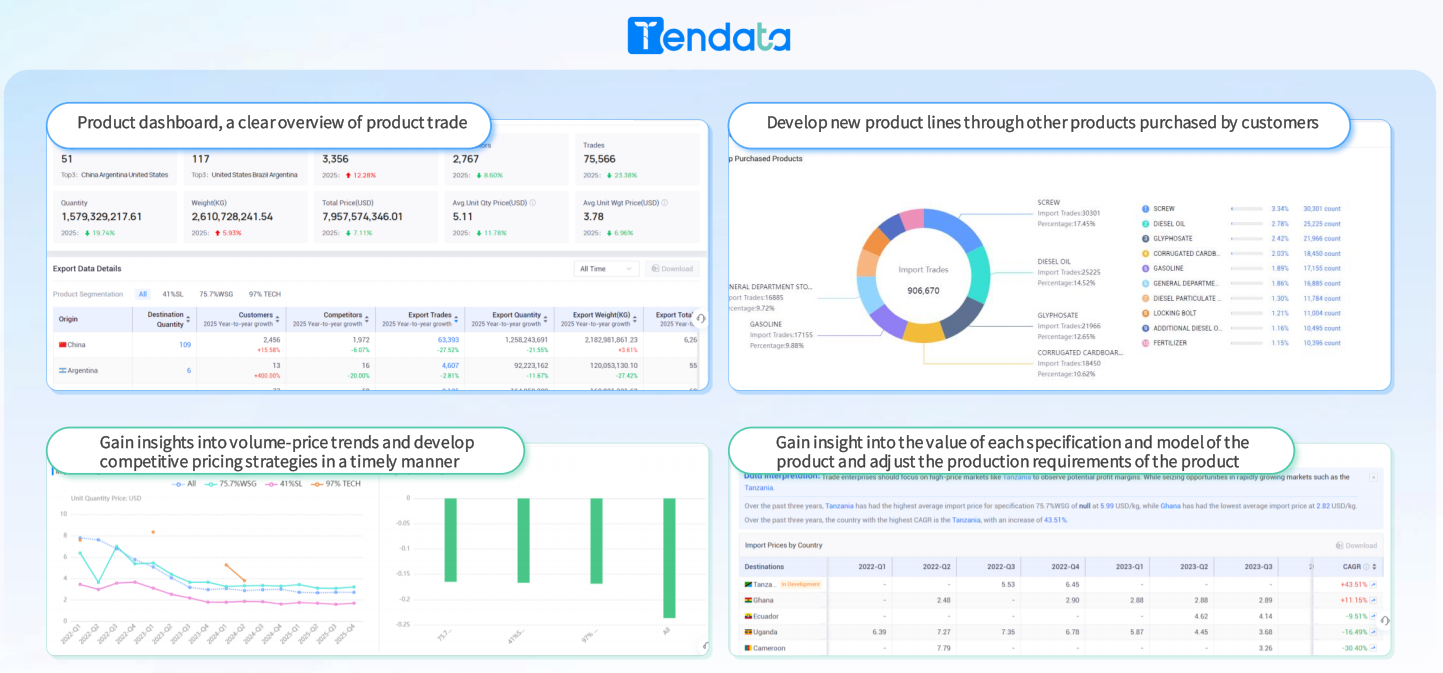
One of the standout elements in modern supply chain optimization is the adoption of real-time analytics and data integration. By leveraging IoT sensors and cloud-based platforms, businesses can monitor inventory levels, track shipments, and predict demand fluctuations with unprecedented accuracy. This approach not only reduces waste and costs but also enhances responsiveness to market changes, making operations more agile and customer-centric.
Another crucial aspect is the implementation of collaborative tools that foster better communication across different departments and external partners. These systems allow for seamless sharing of information, from procurement to logistics, ensuring that everyone is on the same page. This reduces delays and errors, leading to smoother workflows and improved efficiency throughout the supply chain.
Furthermore, incorporating automation and AI-driven solutions can significantly streamline repetitive tasks and decision-making processes. For instance, automated warehousing systems and predictive algorithms help in optimizing routes and inventory management, freeing up human resources for more strategic initiatives and innovation, ultimately driving competitiveness in a fast-paced global market.
Benefits of Real-Time Data Access and Analytics
Imagine having a crystal ball that instantly reveals what's happening in your business right now, not yesterday or last week. That's the magic of real-time data access and analytics—it cuts through the noise to deliver insights when they matter most. By tapping into live data streams, you can spot trends as they emerge, catch issues before they escalate, and make decisions that keep you ahead of the curve. It's like having a constant pulse on your operations, empowering you to be more responsive and strategic in a fast-moving world.
But it's more than just speed; it's about precision. Real-time analytics transforms raw data into actionable intelligence in the blink of an eye, allowing you to tailor customer interactions on the fly or optimize supply chains without delay. This immediacy fosters a culture of agility where teams can pivot quickly based on up-to-the-minute information, reducing guesswork and boosting confidence in every move. It's not just about reacting faster—it's about acting smarter, turning every data point into a competitive edge that sets you apart from the pack.
In practice, this means things like monitoring social media chatter to address customer concerns instantly or adjusting pricing strategies based on shifting market conditions. The benefits ripple across departments, from finance tracking cash flow in real-time to marketing fine-tuning campaigns as they unfold. Ultimately, harnessing real-time data isn't a luxury anymore—it's a necessity for staying relevant and resilient, turning fleeting moments into opportunities for growth and innovation that keep your business thriving in today's on-demand landscape.
Integration with Existing Logistics Systems
When it comes to integrating our platform with your current logistics systems, we focus on seamless connectivity that minimizes disruptions. Our approach involves using flexible APIs and custom middleware tailored to your specific setup—whether you're running legacy software or modern cloud-based solutions. This ensures real-time data exchange for inventory tracking, order processing, and shipment updates, helping you maintain smooth operations without costly overhauls.
Unlike one-size-fits-all integrations, we conduct in-depth assessments to pinpoint integration points and custom-build interfaces that adapt to your workflows. For example, we've enabled retail clients to sync their point-of-sale systems with warehouse management tools, reducing manual errors by 30%. This hands-on customization fosters agility, allowing you to scale logistics efficiently as your business evolves.
Beyond technical links, our integration enhances collaboration across teams by providing unified dashboards and automated alerts. This integration doesn't just connect systems; it empowers decision-makers with actionable insights, turning logistics data into a strategic asset for optimizing supply chains and boosting customer satisfaction.
Case Studies: Success Stories in Efficiency Gains
When you dive into the real-world applications of efficiency improvements, the stories often speak louder than theories. For instance, a mid-sized manufacturing firm overhauled its production line by implementing lean methodologies, slashing waste by 30% in under six months. This wasn't just about cutting costs; it boosted morale as teams collaborated more effectively, proving that small tweaks can lead to big wins without massive investments.
Another standout example comes from a tech startup that streamlined its customer service operations using AI-driven tools. By automating routine inquiries, response times dropped by half, allowing human agents to focus on complex issues. The result? A 40% increase in customer satisfaction scores, showing that efficiency isn't just about speed—it's about enhancing the overall experience.
In a logistics company, a shift to data analytics for route optimization led to a 25% reduction in fuel consumption and delivery delays. This success highlights how integrating smart technology can transform traditional processes, turning potential bottlenecks into smooth, reliable operations that keep everyone from drivers to end-users happier.
Future Trends and Advancements in Digital Logistics
As digital logistics evolves, we're seeing a shift towards predictive analytics and smarter supply chains that anticipate disruptions before they happen. This isn't just about tracking shipments anymore; it's about using AI to forecast demand, optimize routing in real-time, and reduce waste by analyzing patterns in data. Companies are increasingly adopting tools that learn from past events, enabling them to adjust strategies on the fly and stay ahead in a fast-paced market.
Another exciting development is the integration of IoT devices and blockchain technology, creating more transparent and secure logistics operations. Imagine sensors on containers that continuously monitor temperature, humidity, and location, feeding data directly into a tamper-proof blockchain ledger. This not only enhances traceability for sensitive goods like pharmaceuticals but also builds trust among stakeholders by providing verifiable records at every step of the journey.
Looking ahead, sustainability is poised to drive innovation further, with digital solutions enabling greener logistics through eco-friendly routes and carbon footprint tracking. Advances in electric and autonomous vehicles, combined with digital platforms that consolidate shipments, are making it easier to minimize environmental impact. By focusing on these trends, businesses can not only boost efficiency but also align with global efforts to create a more resilient and responsible supply chain ecosystem.
FAQ
A global bill of lading database platform is a digital system that centralizes and standardizes bill of lading documents across international supply chains, enabling real-time access and management for improved efficiency and visibility.
It streamlines documentation processes, reduces errors, and speeds up cargo clearance by providing a unified interface for tracking and verifying bills of lading, leading to faster shipping times and lower costs.
Key features include automated data entry, real-time updates on shipment status, secure cloud storage, and integration with logistics partners, all designed to minimize manual work and delays.
Importers, exporters, freight forwarders, shipping carriers, and customs agencies benefit by gaining better coordination, compliance, and operational insights across borders.
It employs encryption, access controls, and compliance with international data protection regulations to ensure that confidential shipping details are safeguarded against unauthorized access.
Yes, it's built with API compatibility to seamlessly connect with ERP, TMS, and other logistics software, allowing for smooth data flow without disrupting current workflows.
Conclusion
In today's rapidly evolving global market, businesses are constantly seeking ways to enhance their supply chain operations for greater efficiency and competitiveness. The introduction of a global bill of lading database platform represents a significant leap forward in this endeavor. By providing a centralized repository for all shipping documents, such platforms streamline the often-cumbersome process of managing bills of lading, which are crucial for tracking goods and ensuring compliance. This foundational system not only reduces paperwork and manual errors but also lays the groundwork for real-time data access and analytics, allowing companies to monitor shipments, predict delays, and make informed decisions swiftly. Ultimately, these platforms serve as a catalyst for optimizing supply chains, enabling businesses to respond more agilely to market demands and logistical challenges.
Beyond mere document management, the integration of key features like automated workflows and seamless connectivity with existing logistics systems amplifies the benefits of a global bill of lading database. Companies can achieve significant efficiency gains by leveraging real-time analytics to identify bottlenecks, optimize routes, and improve inventory management. Case studies highlight how organizations have transformed their operations, reducing costs and enhancing reliability through such platforms. Looking ahead, future trends in digital logistics, such as AI-driven insights and blockchain for enhanced security, promise even greater advancements. By embracing these innovations, businesses can unlock unprecedented levels of efficiency, ensuring their supply chains are not only optimized but also future-proofed in an increasingly complex global landscape.
Contact Us
Contact Person: Grace
Email: [email protected]
Tel/WhatsApp: +86 18721992033
Website: https://www.tendata.com