

Top Corrugated Boxes: Expert Recommendations for Every Packaging Need
2026-05-29
Choosing the right corrugated box can make or break your packaging strategy—whether you're shipping fragile goods or optimizing for sustainability. After testing countless options, our team at ShiTeng Packaging has distilled the top picks that balance strength, cost, and eco-friendliness. Here's what truly works.
The Hidden Costs of a Misfit Box
Every time a product slips into a box that’s too large, money quietly disappears. Extra void fill, bigger shipping labels, and heftier dimensional weight charges all stack up, nibbling away at margins that most businesses assume are fixed. What stings even more is that these tiny leaks often go unnoticed until someone crunches the numbers and wonders why fulfillment costs are swelling month after month.
The trouble doesn’t stop at the shipping dock. An oversized package invites damage as items tumble around inside, leading to returns that cost a fortune in reverse logistics and replacements. Customers open that half-empty carton and immediately question the brand’s attention to detail—if they waste this much space, what else are they cutting corners on? That momentary flicker of doubt can unravel loyalty built over years.
There’s a subtler sting too: warehouse shelves crammed with mismatched containers eat up square footage that could hold more inventory. Staff spend extra seconds hunting for the right fill material or taping down flaps that shouldn’t need wrestling. Seconds turn into hours, and hours into wasted payroll. A misfit box doesn’t just hold a product; it quietly drains the energy and focus of everyone who touches it.
What Your Box Supplier Won’t Tell You About Board Grades
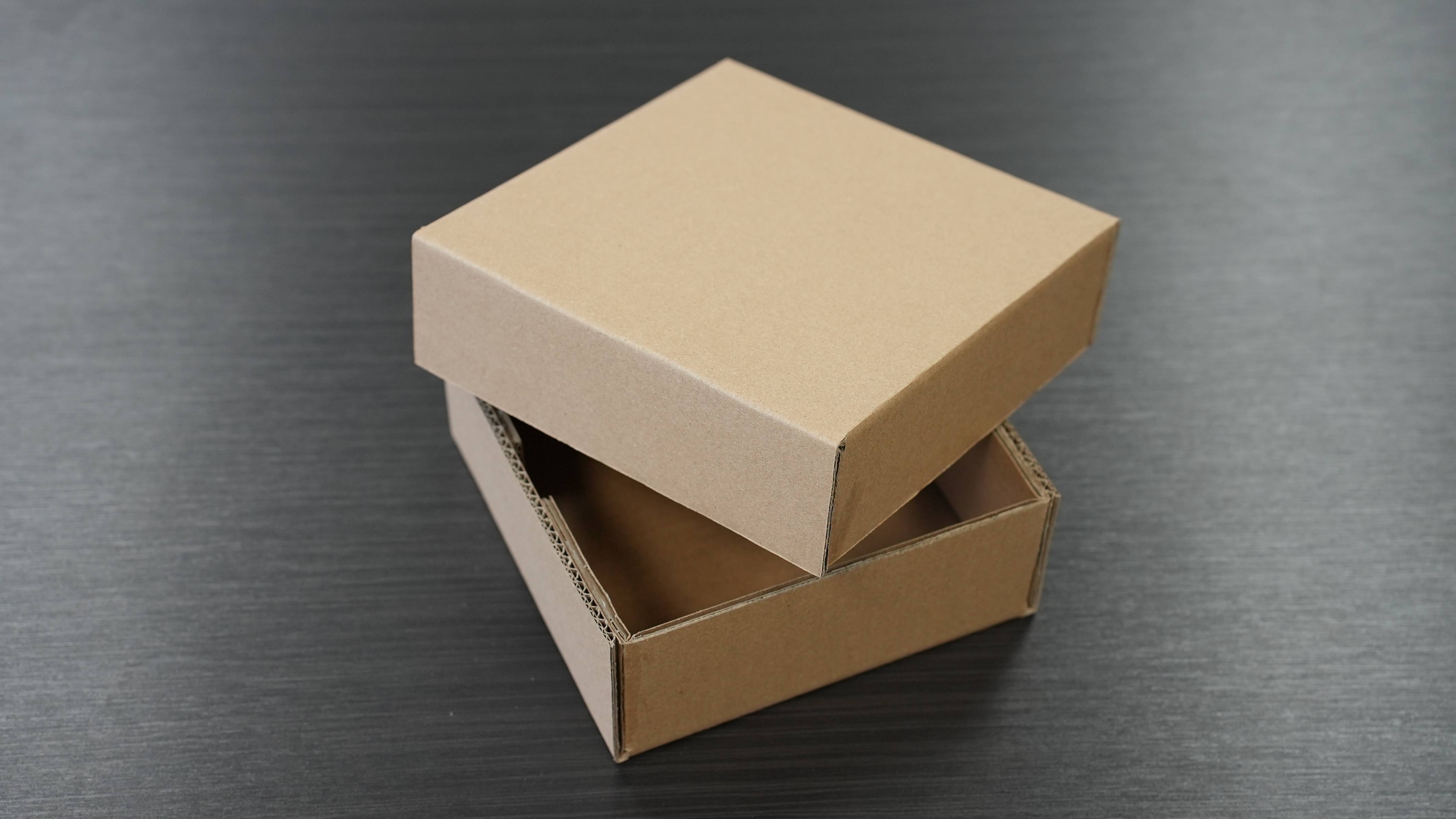
Box suppliers love to throw around terms like "single wall" or "double wall," but board grades go far deeper than wall count. The real story sits in the numbers you rarely see: edge crush test values, basis weight combinations, and flute profiles that dramatically shift how a box behaves in transit. Many suppliers default to generic grades because they stock less variety, not because it's the best fit for your product. They won't volunteer that a slight bump in linerboard weight could cut damage rates in half, or that a different flute type might add compression strength without extra material cost. Asking for a specific Mullen or ECT rating isn't being picky—it's the only way to make sure you're not paying for performance you'll never actually see.
Another quiet truth concerns recycled content versus virgin fiber. Suppliers often skip over how moisture and humidity can soften recycled board far faster, leaving your boxes limp in a warehouse while virgin stock holds firm. They also won't highlight the gap between a lab test and real-world stacking endurance. A board that passes a quick ECT check might still buckle slowly over days under load, especially if the flutes get crushed during printing or die-cutting. The smart move is to ask for dated batch certificates and verify that the grade on paper matches what arrives at your dock—because downgrading board without telling you is an old trick that still happens when demand spikes.
Finally, nobody mentions how board grades tie into your packaging line speed. A box made from lighter, thinner board might fold easier but can jam automated erectors if it lacks stiffness, while a heavier grade might fight the machinery until you slow the whole system down. Suppliers won't spell out these trade-offs because they'd rather sell what's in stock than what keeps your line humming. The lesson? Dig past the sales sheet and learn exactly what each grade means for your own operation—stacked carton time, vibration tolerance, even how well the box survives a rainy truck ride. When you know the details they'd rather skip, you stop being another order and start controlling your shipment outcomes.
Handling Heavy: Boxes That Won’t Buckle Under Pressure
When you’re stacking boxes to the ceiling or shipping fragile equipment across the country, the last thing you want is a container that folds under the strain. The right box doesn’t just hold weight—it shrugs it off, standing firm even when the load gets unreasonable. We’ve put our stock through the wringer, piling on more than the label suggests, and these designs kept their shape without a whimper. No bowing sides, no crumpled corners, just that satisfying solidity you can lean against.
The trick lies in the way the flutes are arranged and the quality of the fiber, but honestly, you don’t need to geek out over specs. What matters is performance: a box that keeps your inventory safe through rough handling and tight squeezes. We’ve seen shipments arrive with forklift scuffs and damp patches, yet the contents stayed pristine because the box didn’t give in. That’s the kind of resilience that saves you money and keeps customers from raising an eyebrow at delivery damage.
For warehouses that live by the stack, floor space is everything. A box that starts to bulge after a few layers is a liability. Ours are built to stay true, tier after tier, so you’re not constantly reshuffling pallets or worrying about a topple. It’s a quiet kind of strength—no dramatic claims, just walls that hold up their end of the bargain long after the cheap stuff would have tapped out.
From Warehouse to Doorstep: Packaging That Survives the Journey
Every package starts its life in a bustling warehouse, but the real test begins the moment it leaves the loading dock. From constant vibration inside a delivery truck to sudden drops on conveyor belts, the hazards are predictable yet relentless. Standard cardboard can buckle under a stack of heavier boxes, while loose fillers shift and leave corners exposed. Even the weather plays a part—humidity can soften corrugated fibers just enough to cause a tear, and rain can seep through unsealed seams before the package ever reaches the customer’s porch.
Designing packaging that survives the journey means thinking beyond static protection. It’s about balancing rigidity with shock absorption, using inserts that lock items in place without adding bulk. Fluted inner layers provide stiffness, but the edge crush rating matters more when boxes get piled high. For fragile goods, a mix of foam cushions and air pillows often outperforms a single bulky material—they distribute impact force rather than just bracing against it. And tape choice is critical; pressure-sensitive adhesives lose grip in cold climates, so reinforced water-activated tape often rides out temperature swings better.
When the package finally hits the doorstep, the real payoff isn’t just an unbroken product—it’s the absence of frustration. A box that looks battered but still holds its contents securely builds quiet trust, while a pristine interior suggests care that goes beyond the item inside. Smart packaging doesn’t shout; it simply works, letting the product speak for itself. That’s the difference between a throwaway container and a part of the experience that customers remember.
Unboxing Magic: Design Details That Turn First-Timers Into Fans
The moment the outer sleeve glides off with a whisper-soft friction, curiosity peaks. It’s not just about revealing a product—it’s the slow reveal of thoughtful intent. A subtle emboss on the inner lid catches light differently depending on how you tilt the box, almost winking at you. The scent of fresh paper, the crisp snap of a magnetic closure, these tiny choreographed sensations signal that someone cared enough to orchestrate your first touch. And in that instant, skepticism gives way to a quiet smile.
Inside, the layout feels less like packaging and more like a curated gift. Compartments are lined with tactile fabric that begs fingertips to linger, and a hand-signed note peeks from beneath the main item—not a printed slogan, but ink that bleeds slightly into textured stock. A sample tucked into a tiny envelope hints at future discoveries, while the fold-out guide unfolds like a storyboard, walking you through features with whimsical illustrations instead of bullet points. These details don’t just explain the product; they invite you into a ritual. By the time the last piece is lifted out, you’re not just a customer anymore—you’re already anticipating the next unboxing, ready to share the spell with someone else.
Stacking and Storing: Outsmarting the Domino Effect
Ever watched a tower of boxes sway and then crash in slow motion? That chaotic chain reaction is precisely what smart stacking and storing aims to prevent. It's not just about making things fit—it's about understanding weight distribution, center of gravity, and how a slight nudge can cascade into a full-blown collapse. The trick lies in treating your storage space as a carefully balanced system, where each item placed either reinforces stability or introduces a hidden threat.
The real art is in sequencing: heavier, denser objects should anchor the base, while lighter, irregularly shaped items nestle into gaps higher up. Think of it as a physical puzzle where you're constantly asking, “If this shifts, what happens next?” Using adjustable shelving, non-slip liners, and even custom dividers can break the chain reaction before it starts. Instead of stacking against a wall and hoping for the best, you create intentional load paths that direct pressure downward and inward, neutralizing the domino effect entirely.
Outsmarting that cascade also means rethinking what “full” really means. Overstuffing a shelf or closet creates constant lateral stress, turning a minor vibration into a catastrophic unravelling. Leave breathing room, stagger seams between layers, and avoid the temptation to stack in perfect, unstable vertical columns. Sometimes the smartest move is to store sideways or use tension-based systems that lock everything into a cohesive unit. When you store with an eye for interconnected forces, your belongings stay put—not because they're immobile, but because you've removed the path for disaster to travel.
FAQ
For heavy or bulky products, focus on the box's burst strength and edge crush test ratings. Double-wall or triple-wall constructions offer superior stacking strength, while reinforced handles or pallet-fit designs can ease handling. Always match the box grade to the weight it needs to support during transit.
Go for single-wall boxes with custom foam inserts or adjustable dividers. Look for anti-static coatings to protect sensitive components. Double-wall boxes provide extra cushioning if you're stacking multiple units. Sealing with reinforced tape prevents accidental openings during rough handling.
Modern eco-friendly corrugated boxes use high recycled content without sacrificing strength. They pass the same industry tests (ECT, Mullen) as virgin-fiber boxes. Innovations like water-based adhesives and soy inks maintain performance while reducing environmental impact. For most shipping scenarios, they perform identically.
Custom printing serves dual purposes: brand visibility and practical identification. You can include handling instructions, QR codes, or promotional messaging directly on the box. This reduces the need for extra labels and creates a professional unboxing experience. Short-run digital printing now makes custom orders affordable even for small businesses.
Use single-wall for lightweight, non-fragile items or interior packaging. Double-wall is ideal for heavier goods, long-distance shipping, or products stored in stacked pallets. The extra layer significantly increases puncture resistance and compression strength. It also better withstands humidity and temperature changes in warehouse environments.
Yes, but inspect for damage like crushed edges or moisture stains before reusing. Remove old labels to avoid scanning errors. For protective re-use, consider lining the interior with fresh cushioning material. Avoid reusing boxes that originally held hazardous materials unless thoroughly cleaned and tested. Many businesses incorporate re-use into their circular packaging strategies.
Mailer-style corrugated boxes with self-locking tabs or easy-open tear strips enhance the customer experience. A shallow-depth design showcases products neatly. Inside printing or colored interiors add a surprise element. Strength isn't compromised: still check burst strength to protect contents without excessive bulk.
Conclusion
Top corrugated boxes aren't just containers; they're strategic tools that impact everything from your bottom line to customer loyalty. Choosing the wrong size leads to wasted filler, higher shipping costs, and product damage—hidden expenses that eat into profits. Then there's board grade, a topic suppliers rarely discuss openly. Not all corrugated is equal: single-wall might be fine for light items, but double- or triple-wall becomes essential for anything heavy or fragile. When you're shipping bulky goods, the box must hold its shape under compression, resisting buckling during rough handling or in a stacked pallet. The journey from warehouse to doorstep is notoriously unforgiving. Packaging must endure drops, vibrations, and temperature shifts. A well-designed corrugated box absorbs shocks, keeps contents secure, and arrives intact—no crushed corners, no popped seals.
Beyond mere protection, the unboxing moment is a golden chance to turn a first-time buyer into a repeat customer. Small design details—a clean tear strip, a printed interior, a perfect fit—create a tactile experience that feels premium and thoughtful. Don't underestimate the power of easy access; frustrating packaging leaves a negative impression. And finally, consider what happens after delivery but before the customer opens it: stacking and storing. Boxes that lack structural integrity can collapse, setting off a domino effect in a warehouse or a customer's garage. Fluted construction that distributes stacking weight properly prevents this, keeping products safe and your brand reputation solid. Smart choices in corrugated design safeguard your goods, delight your customers, and streamline your entire supply chain.
Contact Us
Contact Person: Mr. Ge Man
Email: [email protected]
Tel/WhatsApp: 8613710506492
Website: https://www.shitengzx.com