

Top Chinese Tool Grinding Machine Solutions: Advanced Precision & Efficiency
2026-01-17
In the competitive world of precision manufacturing, the demand for high-quality tool grinding machines continues to grow. As industries strive for advanced precision and efficiency, finding reliable solutions becomes crucial. JIAN MENG is at the forefront of this innovation, offering cutting-edge technology that transforms how tools are sharpened and maintained. This blog explores the top Chinese tool grinding machine solutions, highlighting how these advancements are shaping modern production lines. Dive in to discover how precision meets efficiency, and why staying ahead in this field is essential for any manufacturer looking to optimize their operations.
Innovative Technologies Driving Precision in Chinese Tool Grinding Machines
Chinese tool grinding machines have undergone a remarkable transformation in recent years, largely driven by cutting-edge innovations that significantly enhance precision. One standout advancement is the integration of artificial intelligence and machine learning algorithms, which allow machines to self-optimize grinding parameters in real-time. By analyzing vibration patterns, temperature fluctuations, and feedback from sensors, these systems can make micro-adjustments on the fly, ensuring consistent accuracy even under varying conditions. This not only reduces human error but also adapts to different tool materials and geometries, pushing precision beyond conventional limits.
Another key technology reshaping this sector is the adoption of ultra-high-speed spindles and linear motor drives. Unlike traditional mechanical drives that may introduce backlash or wear over time, linear motors provide direct, frictionless motion, enabling faster and more precise positioning. When combined with spindles that reach speeds exceeding 60,000 RPM, these machines can achieve finer surface finishes and tighter tolerances. This synergy allows for grinding complex shapes with micron-level detail, making Chinese machines competitive in high-end applications like aerospace and medical tool manufacturing, where every fraction of a millimeter counts.
Furthermore, advancements in digital twin technology and cloud-based monitoring have revolutionized quality control and maintenance. Manufacturers now create virtual replicas of grinding machines that simulate performance under various scenarios, predicting potential precision issues before they occur. Coupled with IoT sensors that continuously stream data to the cloud, operators can monitor tool wear, alignment, and environmental factors remotely. This proactive approach minimizes downtime and ensures that machines maintain peak precision throughout their lifecycle, offering a level of reliability that sets Chinese offerings apart in the global market.
Enhancing Operational Efficiency with Cutting-Edge Grinding Solutions
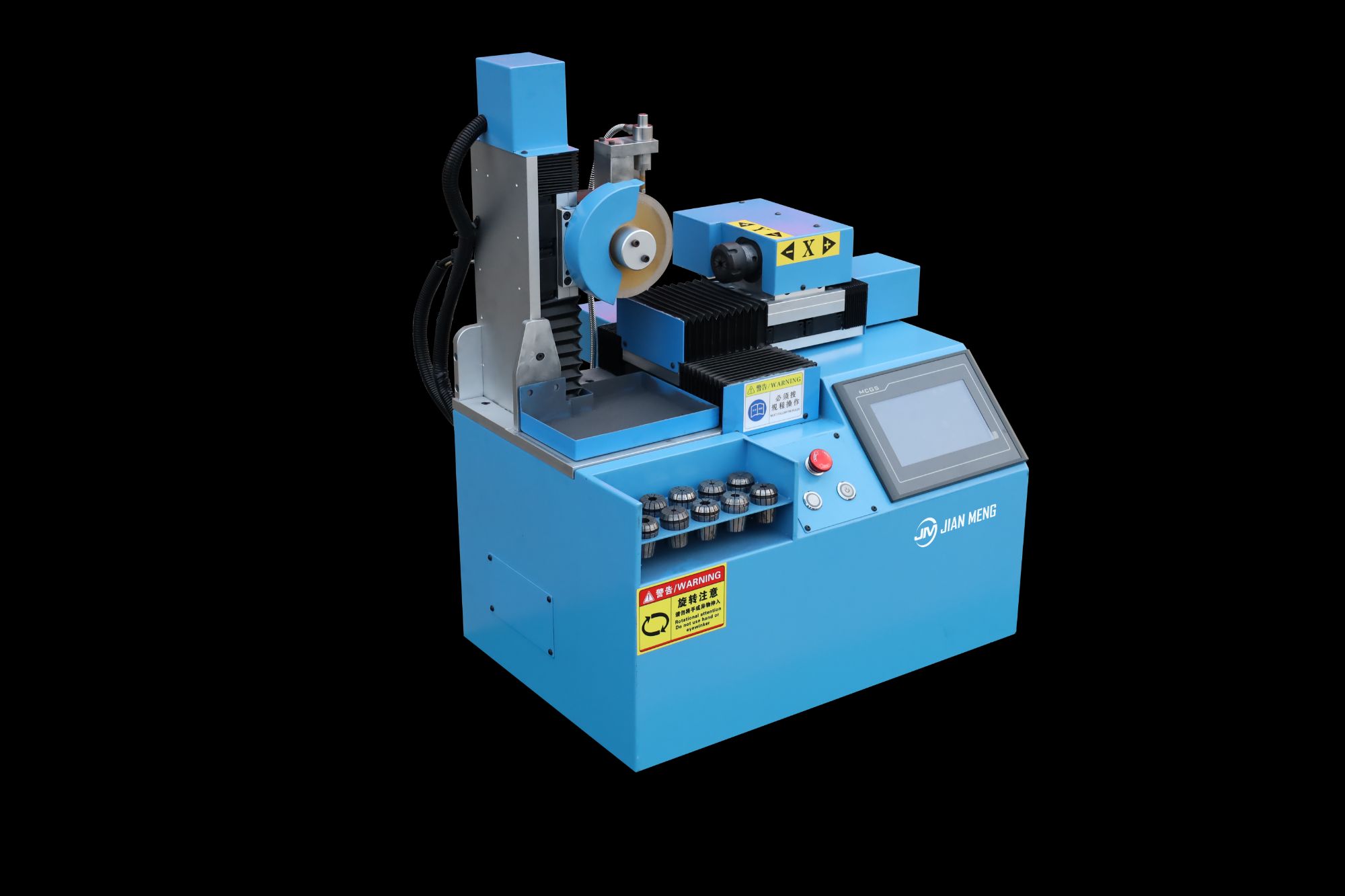
When it comes to boosting operational efficiency, investing in the right grinding solutions can make a significant difference. With advanced technologies like CNC-controlled precision and adaptive grinding processes, manufacturers can achieve faster cycle times and more consistent finishes. This not only reduces downtime but also enhances overall productivity, allowing companies to meet tight deadlines without compromising on quality.
Beyond speed, cutting-edge grinding tools incorporate smart features such as real-time monitoring and predictive maintenance alerts. These innovations help in minimizing unexpected breakdowns and extending the lifespan of equipment. By leveraging such intelligent systems, businesses can optimize their workflows, cut down on waste, and ensure smoother, more reliable operations day in and day out.
In a competitive landscape, staying ahead means embracing solutions that are not just efficient but also adaptable. Modern grinding technologies offer customizable options tailored to specific materials and applications, from aerospace components to medical devices. This flexibility allows companies to tackle diverse challenges head-on, driving innovation and securing a stronger position in their respective markets.
Customized Machine Designs for Diverse Industrial Applications
In today's fast-paced industrial landscape, one-size-fits-all machinery often falls short of meeting niche demands. Customized machine designs address this gap by crafting solutions that align precisely with unique operational challenges, whether it's optimizing production lines in automotive assembly or enhancing precision in pharmaceutical manufacturing. By focusing on specific requirements, these tailored systems not only boost efficiency but also minimize waste, leading to cost savings and improved environmental outcomes. This approach transforms factories into agile hubs capable of adapting to evolving market trends and technological advancements.
The versatility of customized designs shines across sectors like food processing, where hygiene standards dictate specialized equipment, and renewable energy, where innovative components drive sustainability. By collaborating closely with clients, engineers develop machines that integrate seamlessly into existing workflows, avoiding the common pitfalls of generic alternatives. This partnership fosters innovation, yielding durable and scalable systems that evolve alongside industry needs, ensuring long-term competitiveness in a dynamic global market.
Beyond efficiency, customization enhances safety and user experience by incorporating ergonomic features and advanced control interfaces. It empowers businesses to tackle complex tasks such as intricate material handling or high-speed automation with precision. Ultimately, investing in bespoke machinery is a strategic move that unlocks untapped potential, enabling companies to differentiate their offerings and achieve operational excellence tailored to their unique industrial contexts.
Integrating Smart Controls to Optimize Grinding Performance
Incorporating smart control systems transforms grinding operations by leveraging real-time data and adaptive algorithms. These systems continuously monitor parameters like temperature, vibration, and material consistency, making on-the-fly adjustments to optimize feed rates and spindle speeds. The result is a significant boost in efficiency, as machines operate closer to their ideal thresholds, minimizing downtime and reducing energy consumption. This dynamic approach ensures that each grinding cycle adapts to the specific conditions of the workpiece, leading to more consistent outputs across diverse industrial applications.
Beyond basic monitoring, advanced smart controls integrate with machine learning models to predict tool wear and schedule maintenance proactively. By analyzing historical performance data, these systems can forecast when a grinding wheel might degrade, allowing for preemptive replacements that prevent costly breakdowns. This predictive capability not only extends equipment lifespan but also enhances precision, as well-worn tools are swapped out before they compromise product quality. In sectors such as aerospace or medical device manufacturing, where tight tolerances are critical, this foresight translates directly into lower scrap rates and higher reliability.
The flexibility of smart control integration enables seamless adaptation to varying production demands, whether scaling up for high-volume runs or handling custom, low-batch orders. With cloud-based connectivity, operators can remotely tweak settings and receive alerts, fostering a more responsive workflow. This agility empowers manufacturers to swiftly pivot in response to market shifts without sacrificing grinding performance. Ultimately, by embedding intelligence into the grinding process, companies achieve a competitive edge through smarter resource allocation, enhanced product consistency, and the ability to innovate faster in today's fast-paced industrial landscape.
Durable Components and Robust Builds for Long-Term Reliability
Durable components are the foundation of any system designed to endure over time, with materials and designs chosen specifically to withstand environmental stresses and operational wear. By focusing on robust builds, engineers ensure that every part contributes to overall resilience, minimizing the risk of failure even under demanding conditions. This approach not only extends the lifespan of the product but also reduces maintenance costs and downtime, providing peace of mind for users who rely on consistent performance.
The process of creating robust builds involves meticulous planning and testing at every stage, from initial prototypes to final assembly. Each component is subjected to rigorous evaluations to verify its ability to handle real-world scenarios, such as temperature fluctuations, vibrations, and continuous use, without compromising functionality. By prioritizing durability, manufacturers can deliver products that not only meet current standards but also adapt to future challenges, ensuring they remain reliable for years to come.
Long-term reliability emerges as a direct result of integrating durable components with robust building practices, fostering trust and satisfaction among consumers and stakeholders. In industries where equipment failure can have significant consequences, this commitment to reliability translates into enhanced safety, efficiency, and cost-effectiveness, setting a benchmark for quality that distinguishes leading products from the rest.
Sustainable Practices in Modern Tool Grinding Production
In today's manufacturing landscape, tool grinding operations are embracing innovative sustainability measures that extend far beyond simple energy savings. Many facilities now integrate advanced cooling systems using biodegradable fluids, drastically reducing chemical waste. They've also adopted real-time monitoring technologies that optimise machine usage, slashing idle times and minimising carbon footprints. By focusing on lifecycle analysis, manufacturers ensure every grinding wheel and cutter maximises its utility before recycling.
A key advancement lies in the shift towards closed-loop resource management. Companies repurpose grinding swarf and metal residues into raw materials for other industrial processes, virtually eliminating landfill contributions. Simultaneously, predictive maintenance algorithms prolong equipment lifespans, curtailing the need for frequent replacements and conserving rare metals. These holistic approaches demonstrate how environmental stewardship can coexist with precision engineering demands.
Forward-thinking plants further distinguish themselves by implementing renewable energy microgrids and heat recovery systems. Excess thermal energy from grinding processes now powers adjacent facility sections, while solar arrays offset electrical consumption. Employee engagement programs foster a culture where every technician contributes waste-reduction ideas, proving sustainability isn't just corporate policy but a shared operational philosophy.
FAQ
Chinese tool grinding machines are known for their high precision, advanced automation, and energy-efficient designs, often incorporating smart technology for real-time monitoring.
They reduce setup times with quick-change tooling and integrated software, allowing faster production cycles and minimal downtime, which boosts overall throughput.
Yes, they offer competitive pricing without compromising quality, providing robust performance that makes them a popular choice for budget-conscious industries worldwide.
Aerospace, automotive, and medical device manufacturing sectors utilize them extensively due to their ability to handle complex materials and tight tolerances.
Precision is ensured through high-quality spindle systems, advanced control software, and rigid construction that minimizes vibration during operation.
Absolutely, many manufacturers offer tailored configurations, including specialized tool holders and software adjustments, to meet unique production needs.
Regular cleaning, lubrication checks, and software updates are advised, along with professional servicing to maintain accuracy and extend machine lifespan.
Conclusion
Top Chinese tool grinding machine solutions are revolutionizing the industry through an unprecedented combination of advanced precision and operational efficiency, driven by innovative technologies. These machines leverage cutting-edge grinding solutions to deliver exceptional accuracy, ensuring that tools meet stringent specifications with minimal deviation. By integrating smart controls, manufacturers can optimize grinding performance in real-time, adapting to varying materials and requirements seamlessly. This technological synergy not only enhances the precision of the final products but also streamlines workflows, reducing downtime and maximizing output. As a result, Chinese manufacturers are setting new benchmarks in tool manufacturing, offering reliable and high-performance solutions that cater to the demands of modern industries.
Beyond precision and efficiency, these machines excel through customized designs tailored for diverse industrial applications, from automotive to aerospace sectors. Their durable components and robust builds ensure long-term reliability, minimizing maintenance needs and extending equipment lifespan. Additionally, sustainable practices are integrated into modern production, promoting eco-friendly operations without compromising on quality or performance. This holistic approach—combining smart technology, customization, durability, and sustainability—positions Chinese tool grinding solutions as leaders in the global market, providing versatile and future-ready options that empower businesses to achieve superior results while maintaining cost-effectiveness and environmental responsibility.
Contact Us
Contact Person: Jeanie
Email: [email protected]
Tel/WhatsApp: +86 19805122954
Website: https://www.jianmeng.com