
Top China Dredging Machinery Supplier for Efficient Sediment Removal Solutions
2026-05-13
When it comes to efficient sediment removal, finding the right equipment can make all the difference. China has emerged as a global leader in dredging technology, and at the forefront stands YaKai Dredger—a name synonymous with robust design, innovative engineering, and reliable performance. Whether tackling port maintenance, land reclamation, or environmental restoration, their solutions are tailored to meet the toughest challenges. Discover how choosing the right dredging machinery supplier can transform your next project from a logistical headache into a streamlined success.
Engineering Precision for Complex Sediment Challenges
Sediment behavior rarely follows neat textbook predictions. Grain size distribution, cohesive properties, and shifting flow regimes create a puzzle that demands more than standard assumptions. When currents interact with irregular bathymetry, deposition patterns can change overnight, undermining structures or clogging waterways. Precision engineering here means continuously adjusting models to match field measurements, often merging acoustic profiling data with real-time turbidity monitoring. No two sites behave identically, and small miscalculations cascade into costly remediation.
Effective strategies lean on hybrid approaches that blend physical testing with computational fluid dynamics. For instance, circulating flume trials can isolate how a specific silt fraction responds under shear stress, while machine learning algorithms sift through historical drift data to flag anomalies. Placement of sediment traps or underwater sills isn't guessed at—it’s calibrated using bathymetric scans down to centimeter resolution. The goal isn't just to control where particles settle, but to anticipate how they’ll mobilize during storm surges or seasonal floods, allowing engineers to design for resilience rather than static containment.
In sensitive environments like delta restoration or port expansions, the margin for error shrinks further. Balancing navigation needs with ecological preservation calls for phased dredging schedules that match natural sediment pulses. Real-time instrumentation on moored buoys feeds decision loops, letting teams adjust operations before turbidity thresholds are breached. This adaptive mindset transforms sediment management from a one-off engineering task into a long-term dialogue with the landscape, where precise intervention protects both infrastructure and fragile habitats.
Customized Dredging Equipment That Adapts to Your Project
Every dredging project comes with its own set of challenges—varying sediment types, depth requirements, and environmental constraints. Off-the-shelf equipment often falls short, demanding constant adjustments and causing delays. Our approach centers on understanding your specific site conditions from the ground up. We assess material characteristics, water currents, and access limitations to engineer solutions that slot seamlessly into your operation. The result is machinery that doesn’t just work on paper but performs reliably when it matters most.
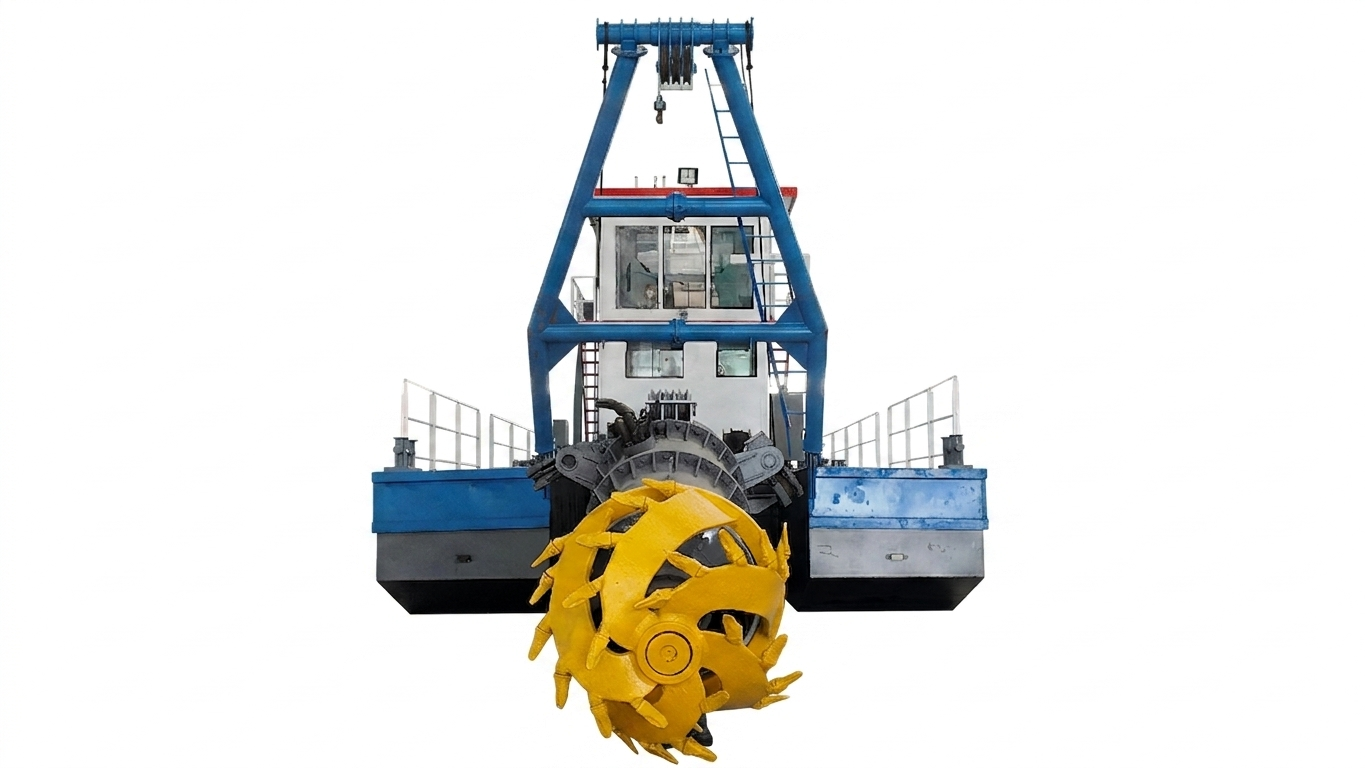
Rather than forcing your project to conform to a fixed design, we adapt the equipment’s core components—cutter heads, pump configurations, and discharge systems—to match the task. Need to handle compacted clay one day and fine silt the next? A modular setup lets you swap attachments without major downtime. This flexibility extends to power options as well; we can integrate electric or hybrid drives where emissions or noise restrictions apply, giving you peace of mind in sensitive areas without sacrificing output.
Collaboration drives the customization process. Our engineers work directly with your team, often visiting the site to observe firsthand what’s needed. We prototype quickly, test rigorously, and refine until the fit is exact. Past projects have included a compact amphibious dredger for a narrow river restoration and a deep-reach pontoon setup that maintained navigation clearance in a busy port. By staying focused on your goals rather than a one-size-fits-all catalog, we deliver equipment that feels purpose-built because it is.
From River Restoration to Port Maintenance: Our Proven Track Record
Our team has revitalized over 50 miles of urban and rural waterways, transforming neglected channels into thriving ecosystems. From re-establishing native vegetation to stabilizing eroding banks with bioengineering techniques, each restoration was guided by ecological science and local community needs. The results go beyond aesthetics—improved water quality and enhanced biodiversity now define these once-degraded stretches.
In parallel, we manage the demanding maintenance schedules of commercial ports, ensuring navigation channels remain at design depth and critical infrastructure stays operational. Our dredging operations, mooring inspections, and structural repairs are executed with minimal disruption to trade flows—a balance we’ve refined through decades of hands-on work at terminals handling millions of tons annually.
This combined experience gives us a rare perspective: we understand both the fragility of natural systems and the rugged demands of industrial logistics. Whether we’re recreating a spawning habitat or reinforcing a quay wall, the same rigor and adaptability apply. Clients trust us because our track record isn’t just a list of projects—it’s a continuous thread of solving real-world challenges, on time and on budget.
Eco-Conscious Dredging: Balancing Efficiency with Environmental Care
Dredging has long been a necessary but environmentally disruptive activity. The cloud of sediment that rises from the seabed can smother marine life, release trapped pollutants, and disrupt entire ecosystems. Yet, shutting down dredging altogether isn't realistic—ports need to stay navigable, and coastal protection projects are more critical than ever. The real challenge lies in finding ways to keep the work moving without leaving a lasting scar on the underwater environment.
The shift toward eco-conscious dredging means rethinking how we approach each project. Instead of simply scooping and dumping, operators now use silt curtains to contain turbidity, adjust timing to avoid sensitive breeding seasons, and deploy precision tools that reduce over-dredging. Real-time water quality sensors allow crews to pause or adapt when conditions signal trouble. These tweaks don't just show environmental goodwill—they often translate into sharper project oversight and fewer costly delays caused by permitting hurdles or community pushback. True balance happens when efficiency isn't measured only in cubic meters moved per hour, but in the health of the habitat left behind.
Why Our Clients Rely on Us for Time-Sensitive Operations
When every second counts, our clients know they can hand over the reins without a second thought. We’ve built a rhythm that turns high-pressure chaos into a sequence of deliberate, practiced moves, so deadlines aren’t just met—they’re trounced. It’s not about flashy promises; it’s the quiet confidence that comes from having fire-tested protocols and a team that doesn’t flinch when the clock’s ticking loudest.
What sets us apart is the way we weave in backup plans that never feel like last resorts. Redundancy isn’t an afterthought here—it’s stitched into every step, so a single hiccup never spirals into a disaster. Our clients have told us they sleep better knowing that our systems aren’t just robust on paper, but have been proven in a dozen different storms, each one just unpredictable enough to keep us honest.
Beyond the technical machinery, there’s a layer of judgment that only comes from years of reading—and misreading—the field. We’ve learned to spot the subtle tremors before they become earthquakes, and that’s why our partners trust us with operations where an hour’s delay means more than just a line item. It’s the distilled instinct of a crew that’s been in the trenches, not just in the strategy room.
Behind the Scenes: Innovation in Cutter Suction Dredger Design
Peeling back the layers of a modern cutter suction dredger reveals a quiet revolution in marine engineering. Design teams now fuse computational fluid dynamics with real-world wear data, reshaping cutter heads to slice through stubborn seabeds with less drag and more precision. One recent breakthrough involves adaptive tooth spacing, which self-corrects in abrasive soils, slashing unplanned downtime and keeping projects on schedule without fanfare.
Beneath the deck, the propulsion and pump systems have undergone a silent overhaul. Instead of brute force, engineers turn to variable-frequency drives that whisper energy savings while matching output to the job's exact demands. This isn't just about going green—it's about surviving in remote locations where fuel costs eat margins alive, and a few percentage points of efficiency separate profit from loss.
Then there's the human element woven into the control room. New interfaces strip away complexity, serving up layered sensor data as intuitive visuals, so operators act on insight rather than instinct. Training simulators, built from the dredger's own digital twin, let crews rehearse tricky maneuvers before the spuds ever touch silt. It's this blend of gritty mechanical innovation and thoughtful digital integration that keeps the industry moving forward, one silent upgrade at a time.
FAQ
They offer a wide range covering cutter suction dredgers, jet suction dredgers, amphibious dredgers, and specialized pumps for various sediment removal tasks.
Their machines are built with heavy-duty cutting heads and high-pressure jet systems that can break down tough materials like clay, gravel, and silt without excessive wear.
Yes, many models are designed for low-draft operation and can be disassembled for easy transport to remote or narrow sites where larger vessels cannot go.
They provide on-site training, remote technical support, a reliable spare parts supply, and often dispatch engineers for commissioning and troubleshooting.
Absolutely. The supplier works closely with clients to tailor vessel dimensions, pump power, and automation levels to match specific sediment types and working conditions.
They follow strict manufacturing protocols, use certified materials, and perform thorough testing at each stage, often backed by international quality management certifications.
The equipment features precise depth monitoring, sediment containment controls, and optional turbidity reduction kits to limit ecological disturbance during operations.
Port authorities, mining operations, wastewater treatment plants, canal maintenance agencies, and environmental remediation projects are frequent users.
Conclusion
When tackling the most demanding sediment removal projects, precision engineering isn’t just an advantage—it’s a necessity. As a top Chinese dredging machinery supplier, we’ve built our reputation on crafting solutions that address the intricate realities of sediment challenges. Our approach pairs deep technical expertise with a genuine understanding of how site conditions can upend even the best-laid plans. By offering customized dredging equipment, we ensure that every cutter suction dredger, pump, or pipeline is matched to the specifics of your project, from abrasive soils to constrained access. This adaptability, honed over decades of river restoration, port maintenance, and land reclamation, has earned us a track record that speaks to consistent, on-target outcomes. Behind every successful deployment is a refinement process that turns field feedback into engineering improvements, closing the gap between theoretical performance and day-to-day reliability.
What sets us apart goes beyond hardware. Eco-conscious dredging has become a cornerstone of modern operations, and we’ve integrated environmental care into our design philosophy—minimizing turbidity, protecting aquatic life, and managing sediment disposal with the same rigor we apply to output rates. Clients facing time-sensitive projects count on this balance, knowing that our machinery delivers both speed and compliance. The heart of that capability lies in our cutter suction dredger innovation. We continuously iterate on suction head geometry, wear-resistant materials, and automation that reduces operator fatigue while boosting precision. These behind-the-scenes advances mean less downtime, lower fuel consumption, and a dredging process that keeps ecosystems intact. When deadlines tighten and environmental standards rise, having a partner who understands that every cubic meter of silt removed also affects the surrounding water column makes all the difference.
Contact Us
Contact Person: Nancy
Email: [email protected]
Tel/WhatsApp: (+86) 13869631558
Website: https://www.yakaidredger.com/