

Solar Ground Screw Factory in China: Innovating Infrastructure Solutions
2026-01-31
In the ever-evolving landscape of renewable energy, the foundation of successful solar installations often lies beneath our feet—literally. At the forefront of this crucial infrastructure innovation is the solar ground screw factory in China, where precision engineering meets sustainable solutions. Here at Energet Solar, we're not just observers; we're active participants in this transformation, crafting tools that anchor the future of clean energy. This article delves into how these factories are revolutionizing the way we build solar farms, offering durability, efficiency, and a greener footprint. Curious about the nuts and bolts behind the scenes? Let's explore what makes these innovations tick and why they're essential for powering tomorrow's world.
Revolutionizing Solar Installations with Ground Screws in China
Ground screws are shaking up the solar installation scene in China, offering a faster and more eco-friendly alternative to traditional concrete foundations. Instead of pouring concrete and waiting for it to cure, workers can drive these helical piles directly into the ground, slashing setup times by up to 70%. This means solar farms can start generating power sooner—a huge advantage in a country racing to meet ambitious renewable energy targets. Plus, with no need for heavy machinery or water, they're perfect for remote or arid regions where resources are scarce, making solar projects more feasible across diverse landscapes.
What really sets ground screws apart is their adaptability to China's varied terrain, from the rocky hills of Yunnan to the soft soils along the Yangtze River. Unlike fixed foundations, these screws can be adjusted or even removed without leaving a lasting environmental footprint, aligning with China's push for greener construction practices. This flexibility doesn't just speed up installations; it also cuts costs by reducing labor and material expenses, allowing developers to invest more in high-efficiency solar panels. As more companies adopt this tech, it's paving the way for smarter, more scalable energy solutions that fit China's rapid urbanization and rural electrification needs.
Beyond the practical benefits, ground screws are fostering innovation in China's solar industry by encouraging new partnerships between tech firms and local installers. Early adopters report fewer delays due to weather or site conditions, translating to more reliable project timelines and higher investor confidence. With the government backing sustainable infrastructure, this method is poised to become a standard in large-scale solar deployments, helping China lead the global shift toward clean energy. It's not just about building faster; it's about building smarter, ensuring that every solar array contributes to a more resilient and efficient grid for years to come.
Key Innovations Driving Efficiency in Chinese Solar Infrastructure
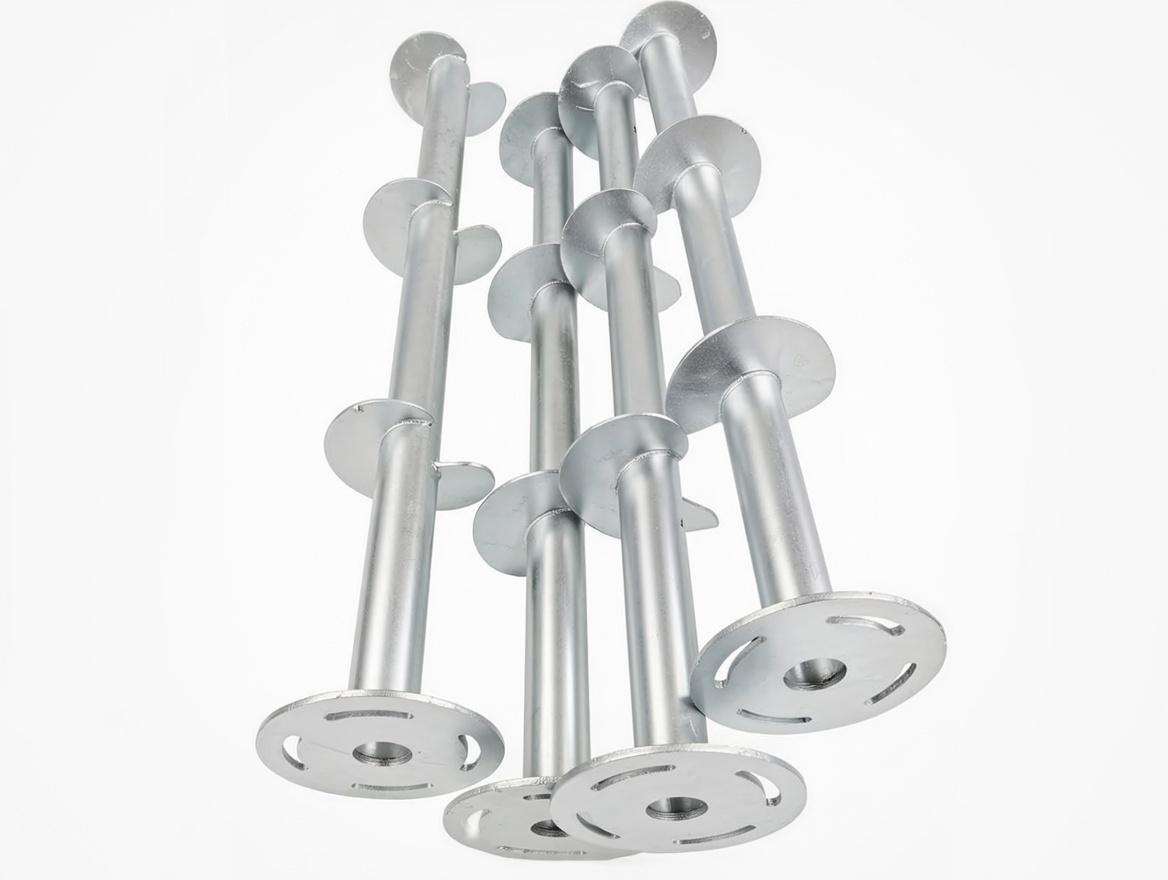
China's solar infrastructure has undergone a transformative leap in efficiency, largely propelled by groundbreaking technological advancements. Innovations in photovoltaic cell design, such as the widespread adoption of PERC (Passivated Emitter and Rear Cell) technology, have significantly boosted energy conversion rates, making solar panels more productive even in less-than-ideal conditions. Additionally, the integration of smart manufacturing processes, including AI-driven quality control and automated assembly lines, has streamlined production, reducing costs and minimizing waste. These advancements not only enhance output but also contribute to a more resilient and scalable solar ecosystem across the country.
Beyond hardware, the rise of digital solutions plays a crucial role in optimizing solar infrastructure. Real-time monitoring systems powered by IoT sensors and cloud computing allow for precise tracking of energy generation and consumption, enabling proactive maintenance and reducing downtime. This data-driven approach helps maximize plant performance and facilitates better grid integration, ensuring that solar power can be efficiently distributed and stored. As a result, China's solar projects are becoming more adaptable to fluctuating energy demands and environmental factors.
Looking forward, the continued push for innovation includes developments in energy storage and materials science. Breakthroughs in battery technology, such as advancements in lithium-ion and emerging solid-state batteries, are addressing the intermittency of solar power, enabling more reliable energy supply. Furthermore, research into new materials like perovskite solar cells offers the potential for higher efficiencies and lower production costs in the future. These ongoing efforts position China at the forefront of the global solar industry, driving sustainability and economic growth through cutting-edge infrastructure.
How China's Solar Ground Screw Factories Meet Global Standards
In recent years, Chinese manufacturers have increasingly focused on aligning their production processes with international benchmarks, particularly in the photovoltaic sector. This shift isn't just about compliance; it's about integrating advanced technologies like automated machinery and rigorous quality control systems from the design phase onward. Many factories now implement ISO certifications and adhere to ASTM standards, ensuring that each solar ground screw meets durability and performance criteria comparable to those in Europe and North America.
A key factor in this alignment is the adoption of custom engineering solutions tailored to diverse global environments. For instance, factories in China often collaborate with international clients to develop screws with corrosion-resistant coatings or specialized designs for challenging soil conditions, such as permafrost or sandy terrains. This flexibility allows them to deliver products that not only meet but sometimes exceed regional specifications, fostering trust among overseas buyers who might have been skeptical about sourcing from China a decade ago.
Beyond technical adaptations, these factories emphasize sustainability and transparency in their operations. They utilize eco-friendly materials and energy-efficient manufacturing processes, reducing carbon footprints while maintaining cost-effectiveness. Regular audits and open communication channels with global partners help address any concerns promptly, demonstrating a commitment to continuous improvement. As a result, China's solar ground screw industry has evolved into a reliable player in the global market, bridging quality gaps and supporting the worldwide transition to renewable energy.
Sustainable Solutions: Environmental Benefits of Ground Screw Technology
Ground screw technology offers a greener alternative to traditional foundation methods, such as concrete pouring or digging, by minimizing soil disturbance and reducing the carbon footprint of construction projects. Unlike conventional techniques that often involve extensive excavation and significant material waste, ground screws are screwed directly into the soil, preserving the natural landscape and avoiding the need for heavy machinery that emits pollutants. This approach not only cuts down on resource consumption but also helps maintain local ecosystems by preventing soil erosion and contamination. By integrating seamlessly into the environment, ground screws contribute to sustainable building practices that align with modern environmental goals and regulations.
One of the standout advantages of ground screw technology is its ability to reduce the long-term environmental impact of structures. Since ground screws are typically made from recyclable materials like steel and can be easily removed and reused, they promote a circular economy in construction. This contrasts with traditional foundations that often leave behind permanent concrete blocks, limiting future land use and generating waste during demolition. Additionally, the installation process for ground screws requires less water and energy, making it an efficient choice for projects in sensitive areas or those aiming to lower their ecological footprint. These benefits make ground screws ideal for applications ranging from residential decks to renewable energy installations, where sustainability is a key priority.
From a broader perspective, adopting ground screw technology supports global efforts to combat climate change by enhancing the durability and resilience of infrastructure. Their design allows for quick installation and minimal site preparation, which reduces noise and air pollution compared to heavy construction methods. As communities increasingly seek eco-friendly solutions, ground screws offer a practical way to build without compromising environmental integrity, fostering a balance between development and conservation. This innovative approach not only meets current sustainability standards but also paves the way for more responsible construction practices in the future.
Overcoming Terrain Challenges: Applications Across Diverse Landscapes
Picture a vehicle that glides effortlessly over rocky outcrops, sandy dunes, and muddy marshes, adapting its mechanics in real-time to ensure smooth passage. This isn't science fiction but a reality powered by advanced ground clearance systems and intelligent suspension technology. For instance, in mining operations across rugged terrains, automated machinery adjusts tire pressure and height to navigate sharp inclines and loose gravel, preventing downtime and enhancing safety. Similarly, agricultural robots traverse uneven farm fields, using sensors to detect obstacles and optimize their path for efficient planting and harvesting, transforming how we cultivate food in challenging environments.
Beyond machinery, infrastructure projects often face daunting landscapes, such as constructing bridges in mountainous regions or laying pipelines through swamps. Here, modular design and lightweight materials allow for rapid assembly and minimal environmental disruption. In disaster relief scenarios, drones and robots access areas humans cannot, like collapsed buildings or flood zones, delivering supplies and assessing damage with precision. These applications not only overcome physical barriers but also democratize access to remote locations, fostering economic growth and humanitarian aid.
Innovations extend to personal mobility, with all-terrain vehicles and wearable exoskeletons aiding exploration and rehabilitation in varied settings. From deserts to glaciers, adaptive technologies ensure resilience and versatility, proving that terrain challenges are merely opportunities for creative problem-solving.
Future Trends: The Role of Chinese Manufacturing in Solar Expansion
Chinese manufacturing is poised to redefine global solar expansion by driving down costs and scaling production at an unprecedented rate. With state-backed investments and a vertically integrated supply chain, factories across provinces like Jiangsu and Zhejiang are rolling out high-efficiency panels that make solar energy accessible worldwide. This isn't just about volume—it's a strategic push into advanced technologies like perovskite cells, positioning China to lead in next-generation solar solutions.
Beyond hardware, China's influence extends to shaping international solar standards and export markets, often undercutting competitors through economies of scale. Collaborations with emerging economies in Africa and Southeast Asia are fueling local solar adoption, while domestic innovations in smart grid integration highlight a shift from mere production to holistic energy ecosystems.
Looking ahead, challenges like global trade tensions and raw material shortages could reshape this trajectory, but China's agile manufacturing base and focus on R&D suggest it will adapt quickly. Expect more tailored solar products and green manufacturing practices to emerge, solidifying its role not just as a supplier, but as a pivotal architect of the solar-powered future.
FAQ
Chinese factories often leverage advanced manufacturing technologies and cost-effective production scales, enabling high-volume output of durable screws that meet international standards while maintaining competitive pricing.
They typically implement rigorous quality control measures, such as material testing and corrosion-resistance coatings, along with certifications like ISO to guarantee long-term performance in various soil conditions.
Many offer tailored solutions, including different screw lengths, diameters, and thread designs, to fit specific project needs, whether for residential solar setups or large-scale industrial installations.
Factories often adopt eco-friendly practices, such as using recycled materials where possible and minimizing waste through efficient manufacturing processes, aligning with sustainability goals in the solar industry.
With streamlined operations, orders can often be processed within weeks, supported by robust supply chains and export expertise to ensure timely global delivery via sea or air freight.
Recent advancements include enhanced designs for easier installation in rocky terrain, self-drilling features, and integrated monitoring systems to assess stability over time.
Due to economies of scale and efficient production methods, Chinese factories generally offer competitive pricing without compromising on quality, making them a popular choice for cost-conscious projects.
Conclusion
Chinese solar ground screw factories are revolutionizing infrastructure solutions by combining innovative manufacturing with practical applications. These factories, exemplified by the title's focus, are transforming solar installations through ground screw technology, which offers a more efficient and adaptable alternative to traditional foundations. Key innovations in production processes and materials science enhance durability and speed, allowing for faster deployment across diverse landscapes, from rugged terrains to urban environments. By meeting stringent global standards, these factories ensure reliability and safety, contributing to China's leadership in the solar industry. This evolution addresses terrain challenges head-on, enabling solar projects to expand into previously inaccessible areas, thus supporting broader renewable energy goals. As a result, the integration of advanced techniques and quality control positions these factories as pivotal players in modern solar infrastructure, fostering growth and resilience in energy systems.
Beyond efficiency, the environmental benefits of ground screw technology underscore its sustainability, minimizing soil disruption and reducing carbon footprints compared to concrete foundations. Chinese manufacturers leverage this to offer eco-friendly solutions that align with global green initiatives, such as reduced waste and lower emissions during installation. Looking to the future, trends indicate that Chinese manufacturing will continue to drive solar expansion through scalable production and continuous innovation, potentially shaping global markets with cost-effective and adaptable products. By overcoming traditional limitations and embracing sustainable practices, these factories not only support local energy transitions but also set benchmarks for international collaboration in renewable infrastructure. Ultimately, their role extends beyond mere production, fostering a holistic approach to solar power that balances technological advancement with environmental stewardship, paving the way for a more sustainable and interconnected energy landscape.
Contact Us
Contact Person: Simon
Email: [email protected]
Tel/WhatsApp: 8613672181100
Website: https://energetsolar.com/