

Semi Dull Polyester Filament Yarn Exporter: Key Insights for Global Buyers
2026-06-28
In the competitive global textile market, semi dull polyester filament yarn remains a versatile staple for diverse applications. For buyers seeking reliability and quality, choosing the right exporter is critical. Changshu Polyester stands out with innovative production and consistent supply, addressing common sourcing challenges. This blog unpacks essential insights to help you make informed decisions, from material specifications to supplier evaluation.
Understanding Semi Dull Yarn Characteristics
Semi dull yarn occupies a fascinating middle ground in the textile spectrum, offering a subdued luster that sidesteps the high sheen of bright yarns without fully committing to the deep matte of full dull variants. This nuanced finish is achieved by adding a controlled amount of delustering agent—typically titanium dioxide—during the extrusion process, which scatters light just enough to soften reflections. The result is a fabric that feels inherently sophisticated, with a natural, almost organic whisper of shine that mimics the gentle glow of untreated fibers like cotton or wool. Unlike its glossier counterparts, semi dull yarn doesn't scream for attention; instead, it draws the eye in a quieter, more refined way, making it a go-to choice for designers who seek elegance without ostentation.
Beyond its visual appeal, the texture of semi dull yarn carries a distinctive handfeel that sets it apart. The presence of microscopic pigment particles subtly alters the filament surface, giving the yarn a slightly crisper, drier touch compared to the slippery smoothness of bright yarns. This tactile difference translates beautifully into fabrics intended for everyday wear—apparel that needs to feel comfortable against the skin while maintaining structural integrity. Additionally, the yarn's modified surface can improve dye uptake and uniformity, leading to richer, more consistent coloration. Whether used in lightweight blouses or structured outerwear, semi dull yarn delivers a balanced performance that marries aesthetic subtlety with practical resilience.
The versatility of semi dull yarn extends across a wide range of applications precisely because it avoids extremes. In home textiles, it brings a soft, inviting presence to upholstery and drapery without the cold, plasticky look that high-gloss threads can impart. In technical and activewear, its reduced reflectivity aligns well with the current trend toward understated performance aesthetics, where gear is meant to blend function with a low-key, modern design language. The yarn's ability to mask minor wear and pilling—thanks to its diffused surface—also contributes to a longer-lasting, well-kept appearance. This blend of visual charm, tactile pleasantness, and enduring quality explains why semi dull yarn continues to gain traction as a material that speaks quietly but carries significant impact.
Evaluating Production Consistency
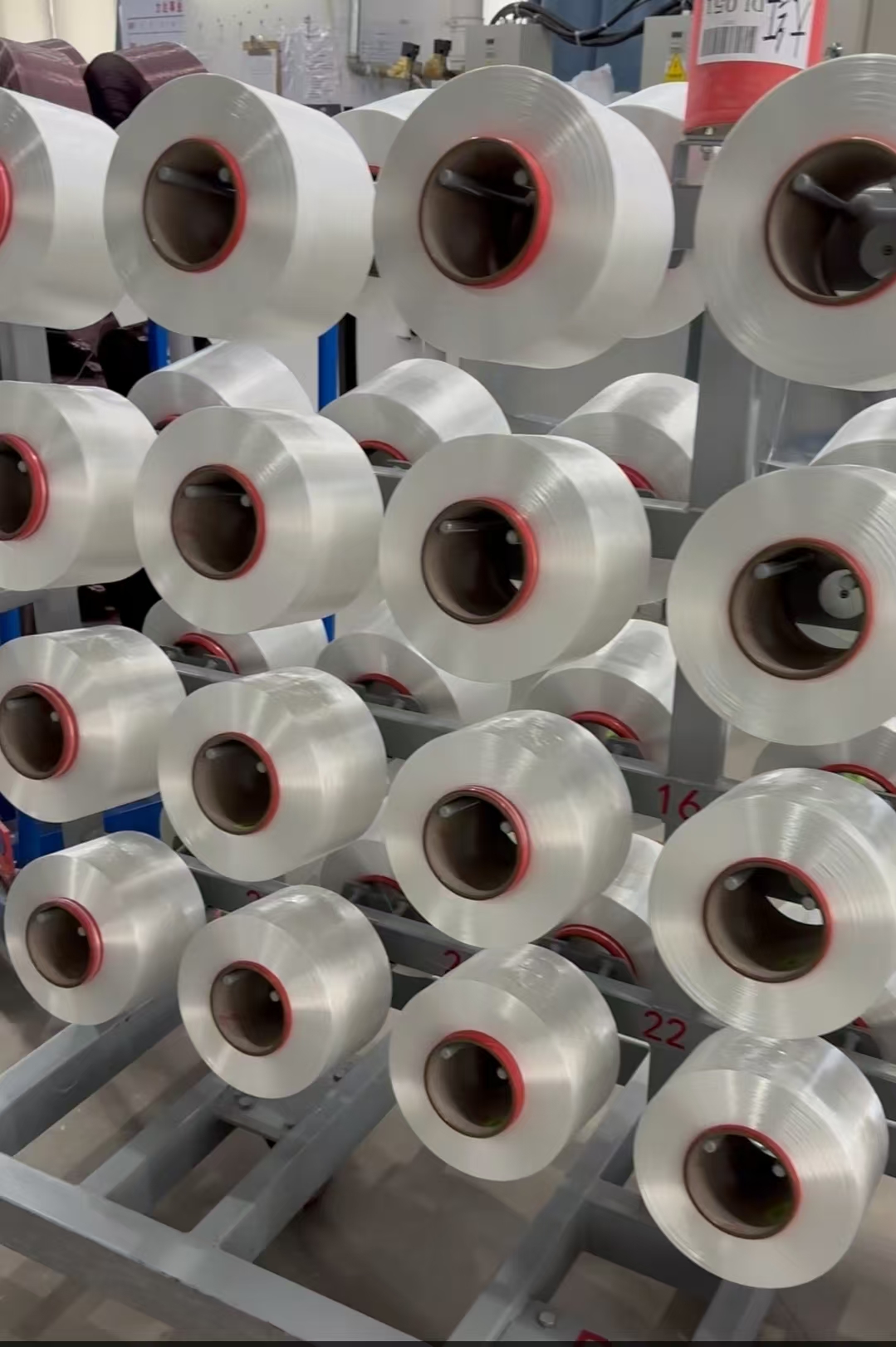
Consistency in production isn’t about hitting a single perfect target—it’s about understanding the natural rhythm of a process and recognizing when it deviates. On the floor, operators keep an eye on simple run charts that plot critical dimensions over time. Instead of reacting to every fluctuation, they learn which patterns point to a real shift, like a worn tool or a batch of raw material with slightly different properties. This evolves into a shared skill rather than a rigid checklist.
Sampling gets a lot of attention, but its true value lies in designing a plan that reflects actual production flow. A good strategy might involve pulling more samples just after a setup change or when a new lot of inputs enters the line. The data isn’t just logged—it’s discussed in short stand‑up meetings where patterns in variability become visible. Something as mundane as a subtle temperature rise in a curing oven can be caught early, avoiding a pile of rejects.
Equipment also whispers clues. Subtle drifts in calibration or increasing vibration often pre‑date visible defects. Teams that build a habit of logging these weak signals—even when they don’t immediately trigger an alarm—develop a finer sense of the process. Over time, this informal knowledge complements formal capability studies, making consistency less about enforcement and more about a shared commitment to stability.
Assessing Supply Chain Reliability
When we talk about supply chain reliability, it’s not just about whether goods arrive on time. It’s a deeper look into how consistently a supplier can meet demand without hiccups—be it in quality, quantity, or delivery schedules. A reliable partner is one that has proven contingency plans, transparent communication channels, and a track record of adapting to unexpected disruptions, from raw material shortages to sudden spikes in orders.
One practical way to gauge reliability is by analyzing historical performance data, but don’t stop there. Engage directly with the supplier’s operations team to understand their capacity buffers and risk management practices. For instance, do they have multiple sourcing options for critical components? How do they handle logistics during peak seasons? These conversations often reveal more than any spreadsheet ever could, helping you spot vulnerabilities before they become your problem.
Finally, remember that reliability isn’t static—it requires continuous monitoring. Set up regular check-ins that go beyond KPIs, focusing on emerging risks like geopolitical shifts or regulatory changes that might impact the supply chain. Building a responsive feedback loop with your supplier ensures that both parties can course-correct early, turning potential disruptions into manageable bumps rather than full-blown crises.
Navigating Trade Compliance and Standards
Understanding the maze of international trade regulations begins with recognizing that compliance is not a one-time checkbox but a continuous process. Companies must stay agile, monitoring shifts in tariffs, sanctions, and export controls that can alter supply chains overnight. A practical approach involves mapping your product’s journey from raw material to end-user, identifying every regulatory touchpoint—whether it’s labeling requirements in the EU, safety certifications in Asia, or environmental standards in North America. Rather than treating these as hurdles, view them as frameworks that, when mastered, can unlock market access and build trust with partners.
Standards often vary wildly across borders, and missteps can lead to costly delays or legal exposure. It helps to embed trade compliance into product design early, rather than retrofitting documentation later. For instance, electronics exporters frequently adapt voltage and plug configurations, but fewer consider how substance restrictions like RoHS or REACH affect their components. Collaborating with local experts or leveraging digital tools for real-time regulatory updates can turn a reactive scramble into a proactive advantage. The key is to treat compliance not as a barrier, but as a competitive differentiator that signals reliability in a crowded global market.
Ultimately, navigating these waters demands a culture of shared responsibility, where logistics, legal, and product teams communicate seamlessly. Regular internal audits and scenario planning can reveal gaps before regulators do. And while no company can predict every policy change, building flexible contracts and diversified supplier bases reduces vulnerability. In an era where a single compliance failure can trigger reputational damage that outweighs the original trade benefits, investing in robust compliance infrastructure isn’t optional—it’s the cost of playing the global game.
Comparing Cost Structures Transparently
A price tag rarely tells the full story, especially when you're juggling multiple vendors or service tiers. What looks like a bargain often unravels once setup fees, per-user charges, or surprise overage costs creep in. Lining up cost structures side by side forces those hidden line items into the light—revealing whether that “all-inclusive” plan actually includes the features your team would use daily, or if a cheaper base rate quietly offloads essential support to a pricey add-on.
Truly transparent comparison means breaking costs into the same granular buckets across every option: upfront investment, recurring subscriptions, transaction or usage-based fees, training and integration expenses, and even the soft costs of switching platforms. When these components are standardized, you can spot where one solution might bill by active users while another caps monthly data, making the long-term commitment far heavier than the glossy brochure implies. It’s less about finding the lowest number and more about understanding what you’re actually funding month after month.
Building Long-Term Partnership Value
True partnership value isn't built on a single transaction—it emerges from consistent collaboration, mutual trust, and a shared vision for the future. When both parties commit to understanding each other's evolving goals, challenges, and market conditions, the relationship transforms into a strategic asset. This depth of engagement allows for more proactive problem-solving, co-creation of opportunities, and a resilience that short-term vendor relationships simply can't replicate.
Investing in a long-term partnership also yields operational efficiencies that compound over time. Teams become deeply familiar with each other's workflows, communication styles, and quality standards, reducing friction and accelerating execution. Knowledge accumulated from past initiatives becomes a shared library that informs smarter decisions, eliminates repeated mistakes, and sparks innovation that benefits both sides. It's this accumulated insight that often becomes the most undervalued—yet most powerful—driver of sustained value.
Ultimately, strong partnership value reveals itself in moments of uncertainty or opportunity. When markets shift or new challenges arise, a well-nurtured relationship provides the agility to pivot together without the delays of negotiation or onboarding. The trust earned over years enables candid conversations, creative restructuring, and joint investments that turn disruptions into advantages. In this sense, building long-term partnership value is less about formal contracts and more about cultivating an alliance that grows stronger with each shared success.
FAQ
Semi-dull polyester filament yarn is a continuous strand of polyester fibers with a moderate amount of delusterant (often titanium dioxide) added during production. This gives it a subdued sheen that sits between bright and fully dull variants. It's widely used in apparel fabrics, home textiles like curtains and upholstery, and technical applications where a balance of aesthetics and functionality is needed.
Bright yarn has no delusterant, resulting in a high-gloss, reflective finish often chosen for decorative purposes. Full-dull contains more delusterant, creating a matte appearance with a softer, more natural fabric feel. Semi-dull hits the middle ground—its subtle luster masks minor imperfections and provides a clean, professional look without being too shiny. Performance-wise, all three share similar strength and durability, but the delusterant level can slightly affect dye uptake and hand feel.
You'll want to check denier uniformity, tenacity, elongation at break, and oil pickup. Consistent denier prevents fabric streaks; good tenacity and elongation ensure the yarn withstands processing. Oil content influences knitting or weaving efficiency. Also, inspect the dye absorption consistency—semi-dull yarn should take color evenly across batches. Certifications like Oeko-Tex or GRS can also indicate higher manufacturing standards.
A specialized exporter focuses on filament yarns, so they're better placed to control production nuances, batch consistency, and logistics for this specific product. General suppliers might treat your order as one of many, leading to quality fluctuations or delays. Specialists often have tighter relationships with mills, can offer tailored technical support, and understand the global compliance landscape—like environmental regulations that affect shipment documentation.
One regular pitfall is assuming a sample matches bulk production—always request a pre-shipment sample from the actual lot. Another is ignoring moisture regain; polyester is hydrophobic, but improper storage during transit can cause condensation issues. Also, unclear Incoterms can shift unexpected costs onto you. Mitigate these by working with an exporter who provides transparent traceability, third-party inspection reports, and a clear contract spelling out quality parameters and shipping terms.
Beyond online reviews, ask for a video walkthrough of their warehouse and packing area, not just their showroom. Request references from buyers in your region. Check if they have capacity to handle your monthly volume without subcontracting. A reliable exporter will openly share production schedules, lead times, and sometimes even connect you with their chief technician. Third-party audits like SGS or Bureau Veritas can also confirm their claims.
Most established exporters can adjust twist per meter, apply custom dyeing (either yarn-dyed or dope-dyed), and modify the level of semi-dull finish if your application requires slight variations. Packaging can be tailored—from standard cones to large precision-wound packages for high-speed knitting. Some also offer branded labels, moisture-barrier wrapping, or palletization specs that align with your receiving warehouse.
Conclusion
For global buyers seeking a reliable semi-dull polyester filament yarn exporter, a deep understanding of yarn characteristics is just the starting point—the real differentiator lies in how consistently a supplier can replicate that exact luster, tenacity, and dye uptake across every shipment. Semi-dull yarn’s muted sheen comes from precisely dispersed titanium dioxide, and even minor deviations in masterbatch formulation or spinning conditions can create visible streaks in finished fabrics. That’s why evaluating production consistency goes beyond reviewing a spec sheet; it means auditing a supplier’s process controls, from chip drying and melt filtration to take-up speed and intermingling. The best exporters openly share batch-wise test reports and statistical process data, allowing buyers to predict how the yarn will perform on high-speed looms or circular knitting machines. This level of transparency naturally extends into supply chain reliability—a partner worth committing to will have dual sourcing for key raw materials, buffer stock for peak seasons, and contingency routing in case of port congestion, all communicated without sugarcoating. They don’t just promise on-time delivery; they provide real-time visibility and have a track record of absorbing disruptions without shifting costs to the buyer.
Beyond the factory floor, navigating trade compliance and standards becomes a collaborative effort rather than a paperwork hurdle. A knowledgeable exporter helps buyers decode shifting regulations like REACH updates, OEKO-TEX class requirements, or anti-dumping duties, often suggesting certified alternatives that keep costs in check without compromising market access. When it comes to cost structures, the conversation must move from simple FOB prices to a transparent breakdown that accounts for yield rates, waste factors, and the hidden expenses of inconsistency—like machine stoppages or higher rejection rates. This candid approach builds the trust needed for long-term partnership value, where both sides invest in joint product development, from specialized intermingle profiles to eco-friendly dope-dyed variants. The most successful buyers treat their exporter as an extension of their own R&D and supply chain, securing not just a steady yarn supply but a strategic edge in their own competitive landscape.
Contact Us
Contact Person: CONNIE
Email: [email protected]
Tel/WhatsApp: 86-0512-53671634
Website: https://www.lida-yarn.com/