
Private Label LED Face Masks Are the Next Big Opportunity for Beauty Brands
2026-11-02
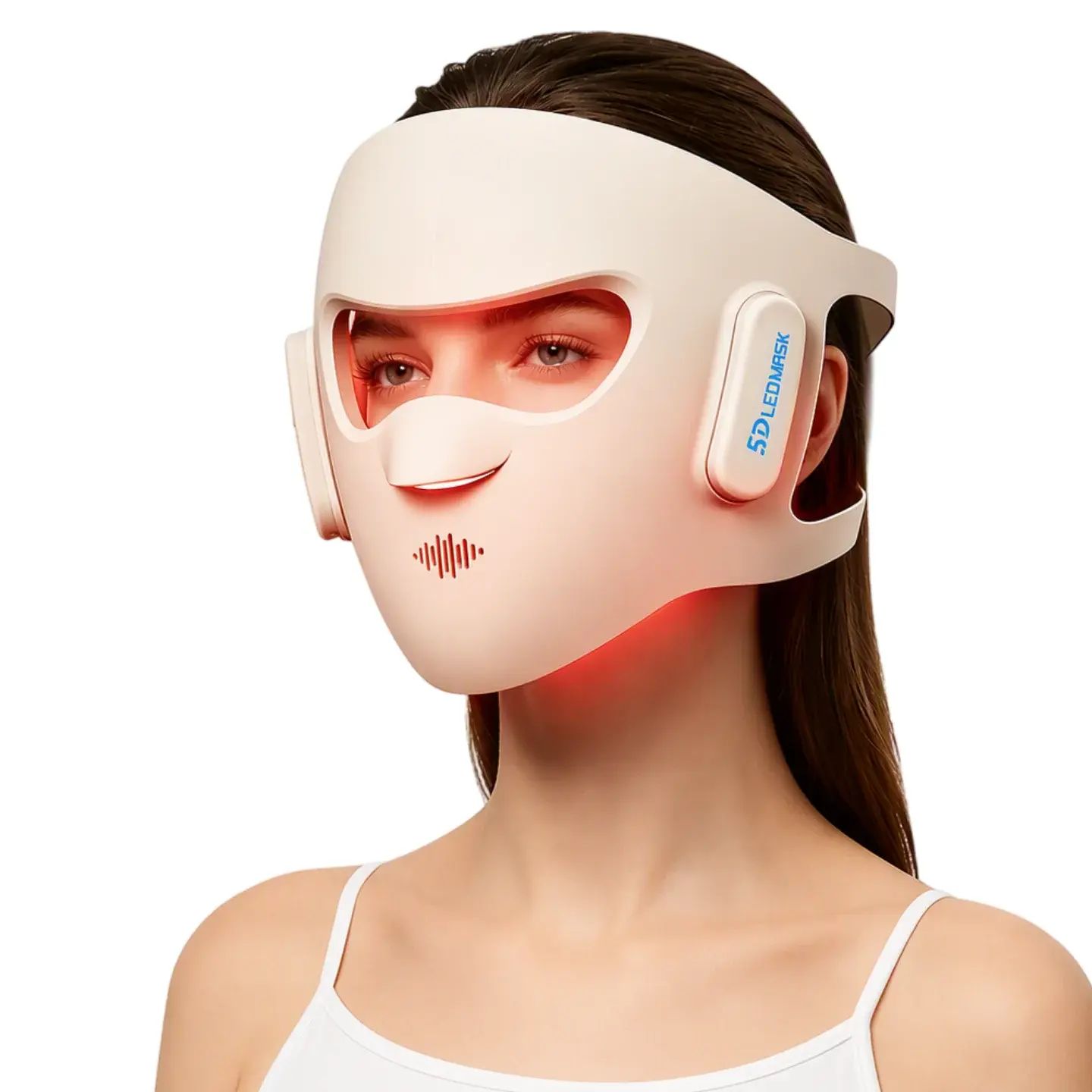
The beauty industry is constantly hunting for the next breakthrough, and private label LED face masks are emerging as exactly that. As consumers shift toward at-home skincare devices that promise professional-level results, the demand for customizable, branded solutions has never been higher. This trend opens a unique window for beauty brands to differentiate themselves without the heavy R&D burden. With partners like XINGBU offering turnkey manufacturing and design flexibility, launching your own line of LED face masks is no longer a distant dream—it’s a strategic move waiting to be made.
Why Private Label LED Masks Are Beauty's Quiet Power Move
The shift hasn't made headlines, yet it's reshaping how beauty brands build loyalty. Private label LED masks let a company skip the heavy R&D lift and still offer a device that feels custom-made. It's the kind of move that doesn't scream for attention—it just quietly improves margins and fills a gap rivals haven't noticed.
What makes this so clever is the mismatch between what customers see and what the brand actually did. The mask arrives in sleek packaging, works with a simple app, and carries a logo that feels trustworthy. Behind the scenes, the brand chose an existing hardware platform, tweaked the light wavelengths slightly, and focused its energy on storytelling and aftercare. That's not laziness; it's prioritization.
For smaller labels especially, this approach turns a luxury product into an accessible entry point. Instead of spending two years and a fortune on engineering, they launch in months and use the saved budget for education and community. The result is a loyal following that doesn't care who manufactured the diodes—they care that their skin looks better and the brand feels like it gets them.
The End of One Size Fits All Skincare Devices
For years, skincare gadgets operated under a flawed assumption: that a 25-year-old with oily, acne-prone skin in humid Miami needs the same intensity, frequency, and treatment mode as a 55-year-old with dry, sensitive skin in arid Denver. The result was a market flooded with devices that promised universal results but delivered uneven outcomes—some users saw mild improvement, others ended up with irritation or simply gave up. The truth is, skin doesn't work like that. Hormones, climate, diet, stress, and even the products you already use alter how your skin responds to light therapy, microcurrents, or sonic cleansing. A one-size-fits-all approach ignores the single most important variable: you.
The shift away from blanket settings is already underway. Newer devices are moving toward adaptive protocols that read your skin's moisture barrier, oil levels, or even its reaction to a previous session before adjusting output in real time. Some pair with apps that ask about your sleep, sun exposure, and current breakouts to tailor a weekly routine. Others use interchangeable heads or adjustable wavelengths to match different skin concerns—rosacea versus fine lines, for example—rather than forcing every user through the same generic cycle. This isn't just a feature upgrade; it's a fundamental rethink of how a tool interacts with living, changing tissue.
What this means for the average consumer is a departure from the "set it and forget it" mentality. You're no longer renting a device that assumes you're average. Instead, you're investing in a system that learns your skin's quirks over time and adjusts accordingly. Early adopters report fewer side effects and faster visible results, simply because the treatment finally matches the person. The era of mass-produced skincare routines is fading—and in its place, a more personal, responsive approach is taking hold.
How Custom Light Spectrums Build Instant Brand Trust
A shopper may not consciously notice the light, but their eyes register that something feels right. A custom spectrum tuned to a brand's colors can make packaging look crisp, complexions appear natural, and surfaces reveal honest texture. That kind of precision feels less like illumination and more like respect for the customer's attention. It sets a quiet precedent: if the brand sweats this detail, it probably sweats the ones that matter more.
Custom light also acts as an invisible signature. A jewelry boutique might lean into a cool, slightly blue spectrum that makes diamonds throw sharper fire, while a leather goods store could use a warm, amber-shifted mix to bring out the grain and patina. Over repeated visits, buyers begin to associate that particular glow with the brand's character. The environment stops being a generic retail box and starts feeling like a place with a point of view.
Consistency is where trust becomes durable. When every branch, pop-up, and brand photograph is lit with the same calculated spectrum, the experience no longer varies with the weather or a manager's taste. A returning customer steps into any location and meets the same visual mood, the same honest colors. That reliability removes uncertainty, and without uncertainty, trust can grow faster than any ad campaign could force.
The Real Reason Customers Keep Coming Back for More
It's rarely the product itself that brings people back. Most businesses chase flashy features or aggressive discounts, assuming those are what create loyalty. But customers return because of how a place makes them feel when they walk through the door, when they ask a question, or when something goes wrong. That emotional imprint—often shaped by small, consistent gestures rather than grand gestures—is what stays with them long after the purchase.
Think about the last time you went out of your way to revisit a store or service. Chances are you remembered a person who remembered you, a problem solved without friction, or a moment that felt unexpectedly thoughtful. Those experiences build a quiet trust. And trust, not transaction, is what turns a one-time buyer into someone who keeps coming back for more.
Turning a Clinic Staple Into an At Home Ritual
There was a time when the only way to get that deep-clean, post-facial glow was to book an appointment, sit under a bright light, and pretend the extraction part didn’t sting. The clinic had all the tools—the steamer, the high-frequency wand, the blue and red lights that looked like something from a sci-fi set. Fast forward, and those same technologies have been shrunk, softened, and fitted with a charging port. What used to take an hour in a paper gown now lives on your bathroom shelf, waiting for a quiet Sunday morning or a Tuesday night when your skin feels like it’s had enough.
The trick isn’t just owning the device; it’s making room for it in your actual routine. Instead of treating it like a medical procedure you have to endure, think of it as a pocket of time you’re stealing back. Maybe you drape a warm towel over your shoulders, queue up a playlist, and let the LED mask hum while you breathe. Or you roll the microcurrent device over your jawline while the kettle boils. The ritual matters as much as the technology—your skin responds better when you’re not rushing to check your phone between passes.
Clinic-grade results at home don’t come from a single dramatic session; they come from showing up three nights a week, even when you’re tired. That’s the quiet shift—from “treatment” to “habit.” And once it becomes a habit, the mirror starts telling a different story: less about erasing every line, more about looking like you actually slept, like you stepped outside for fresh air, like you’ve been taking care of yourself in ways that don’t require a waiting room.
The Untapped Margin Potential Hiding in Plain Sight
Most margin improvement initiatives focus on headline moves—renegotiating supplier contracts, raising prices, or launching new products. Yet the real gems are often buried in everyday routines. A close look at how orders are processed, how inventory is counted, or how service calls are scheduled can reveal small inefficiencies that, when fixed, add up to a meaningful lift in profitability. These are not flashy changes, but they don't require board approval or a big budget either.
Another overlooked pocket sits inside your own customer data. Frontline teams collect a wealth of signals—complaints about missing features, requests for faster delivery, preferences for bundled services—but that information rarely reaches decision-makers in a usable form. By tweaking how notes are logged and tagged, a business can uncover high-margin add-ons that customers are already asking for, without spending a dime on market research.
Idle capacity is a third silent margin killer. Whether it's warehouse space during third shift, machinery between production runs, or skilled staff waiting for the next project, underused resources carry the same cost but generate no return. Renting out spare capacity, adjusting shifts to match demand, or cross-training employees to fill gaps can convert fixed overhead into incremental revenue. These moves feel operational, but their impact lands directly on the bottom line.
FAQ
The at-home beauty device market has matured enough that customers now expect clinic-style treatments without the clinic price tag. LED masks deliver visible improvements in skin texture and acne over a few weeks, and because they are reusable, they create a higher perceived value than single-use serums or sheet masks. Brands see them as a way to build routine-based loyalty rather than chase one-off purchases.
With a generic device you are competing purely on price and whoever can ship fastest. Private label lets a brand control the wavelength mix, the mask shape, the controller interface, and even the companion app. That turns a commodity item into a branded experience, so customers compare features and results instead of just hunting for the lowest number.
Skincare lines that already sell serums, moisturizers, or exfoliants see the biggest boost because LED masks pair naturally with topical products. Spas and aesthetic clinics can also use them as an entry-level retail item that keeps clients engaged between professional treatments. Smaller indie labels benefit when they offer a high-ticket device that anchors their other product sales.
Start with safety certifications and wavelength accuracy, since not all red and near-infrared LEDs penetrate the same way. Ask for samples and test the fit on different face shapes, plus check whether the controller has timed shutoff and eye protection. A reliable partner should also offer low minimum order quantities at first, so you can validate demand before committing to a large production run.
Most masks ship with the same three or four light modes, so look for ways to customize the physical design, such as a softer silicone construction or adjustable head straps. You can also bundle the mask with a matching serum or a post-treatment mist designed for use right after a session. Honest before-and-after photos from real testers usually outperform polished ad claims.
The biggest drivers are the number of LED diodes, the quality of the wavelengths, and whether you use rigid plastic or flexible silicone. Tooling for a custom mold can be expensive, so many brands start with a modified existing shell. Factor in certification testing, packaging inserts, and warranty support, because a cheap unit that fails after two months will destroy repeat business.
If you choose an existing mold and only customize the branding and light settings, you can often go from first sample to production in eight to twelve weeks. A fully custom shape or a unique controller app may add another two to three months. Leaving time for safety testing and a small beta group before the full launch is the part most brands underestimate.
Conclusion
Private label LED face masks are quietly moving from clinical back rooms into everyday beauty routines, and the brands paying attention see a rare opening. Instead of stocking another lookalike gadget, a brand can commission custom light spectrums—specific wavelengths for acne, collagen support, or redness—so the mask feels like a bespoke treatment rather than a generic device. That shift away from one-size-fits-all skincare builds instant trust: customers recognize the product was built around their actual concerns. It also reframes a professional clinic staple as a repeatable at-home ritual, which is where loyalty starts. When someone uses a mask three nights a week and notices real progress, the brand becomes part of their self-care identity, not just a purchase.
The economic case is just as compelling. Private label manufacturing lets emerging and established labels enter the category without huge tooling costs, while the perceived value of a custom LED mask supports premium pricing. Unlike a moisturizer that gets replaced on a whim, a device with visible results creates retention—users come back for replacement straps, conductive gels, or upgraded light settings. That hidden margin potential is exactly why forward-thinking beauty brands are treating LED masks not as a novelty, but as a next core category. The ones who move now can define the segment before it saturates, turning a quiet power move into a durable advantage.
Contact Us
Contact Person: Hannah
Email: [email protected]
Tel/WhatsApp: +86 18266954198
Website: https://www.okmassager.com/