

Polymer Insulator Factory: Innovative Solutions for Modern Power Systems
2026-01-05
Power systems are evolving at an unprecedented pace, demanding infrastructure that meets modern challenges with resilience and efficiency. Amidst this transformation, polymer insulators have emerged as game-changers, offering lightweight designs, superior performance in harsh environments, and reduced maintenance costs. Lugao stands at the forefront of this innovation, blending cutting-edge technology with practical solutions to empower grids worldwide. In this blog, we explore how a Polymer Insulator Factory drives progress, unlocking new possibilities for sustainability and reliability. Join us as we delve into the advancements shaping tomorrow’s energy landscape—where every component counts, and every innovation sparks change.
Advanced Polymer Materials Transforming Electrical Insulation
Recent breakthroughs in polymer science are revolutionizing the field of electrical insulation, moving far beyond traditional materials like paper and rubber. Advanced polymers now offer exceptional dielectric strength, thermal stability, and mechanical toughness, enabling safer and more efficient power transmission in everything from underground cables to aerospace components. Innovations such as cross-linked polyethylene (XLPE) and silicone-based composites can withstand extreme voltages and temperatures, reducing the risk of failures and maintenance costs in harsh environments.
What sets these new materials apart is their ability to be engineered at the molecular level for specific applications, something older insulators couldn't achieve. For instance, some polymers are designed with self-healing properties that automatically repair minor damage from electrical arcing, while others incorporate nanofillers to enhance flame retardancy without sacrificing flexibility. This customization allows for thinner, lighter insulation layers that don't compromise performance, making them ideal for compact electronic devices and renewable energy systems where space and weight are critical factors.
Looking ahead, the integration of smart polymers into electrical insulation is poised to create systems that not only protect but also monitor their own health. Imagine insulation that changes color when overheating occurs or polymers embedded with sensors to detect early signs of wear, enabling predictive maintenance. These advancements are not just incremental improvements; they represent a fundamental shift toward more resilient, adaptive, and sustainable electrical infrastructure, driven by material science that continues to push boundaries in unexpected ways.
Customized Insulator Designs for Enhanced Grid Resilience
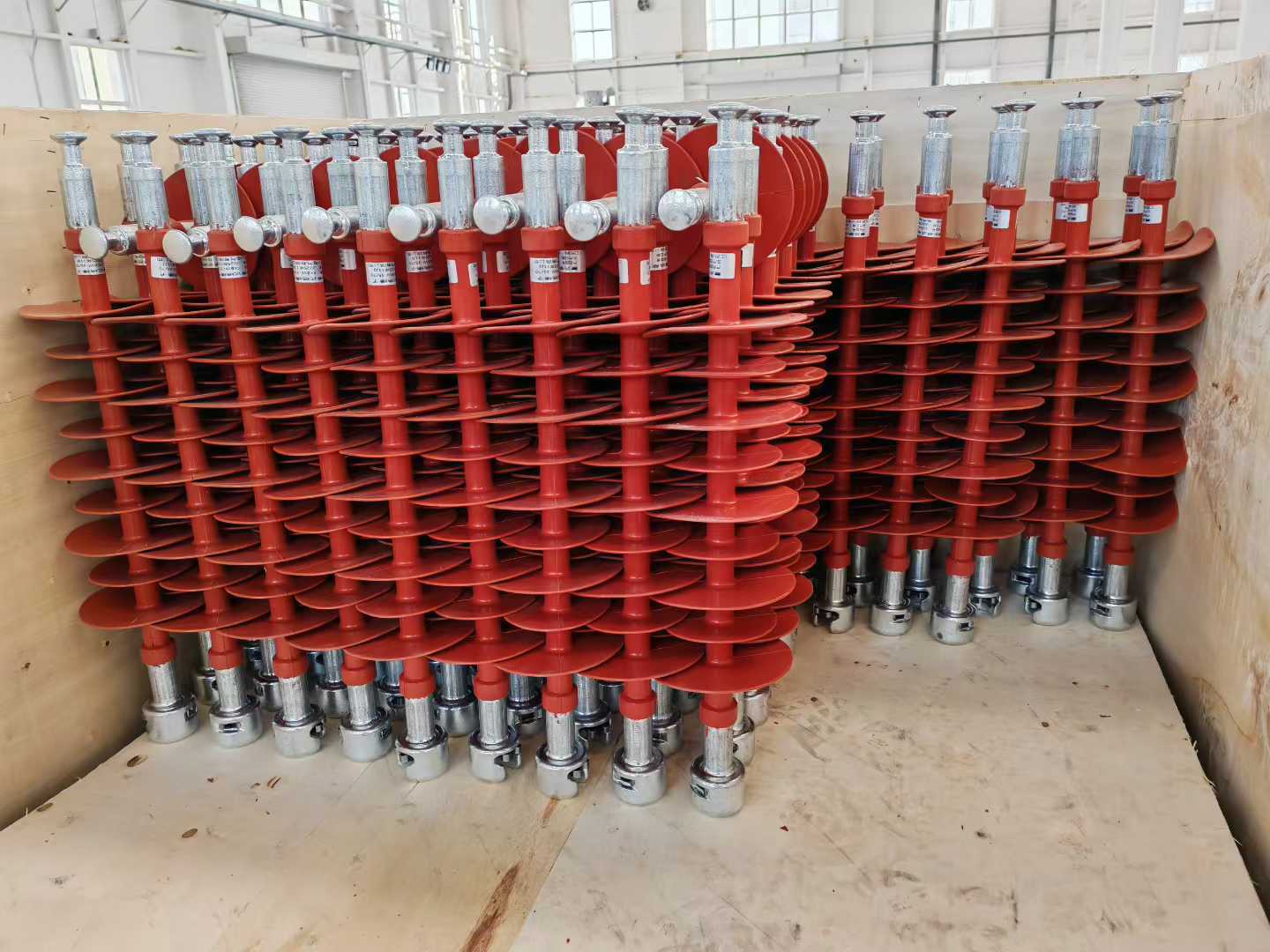
Customized insulator designs are playing a crucial role in boosting grid resilience by addressing specific environmental and operational challenges. Instead of relying on one-size-fits-all solutions, engineers now tailor insulators to withstand extreme weather conditions, such as heavy ice loads, high winds, or salt fog in coastal areas. By incorporating advanced materials like silicone rubber or composite polymers, these designs reduce the risk of flashovers and failures, ensuring more reliable power transmission even during storms or other disruptions.
Beyond material innovations, customization extends to the shape and configuration of insulators to optimize performance in diverse settings. For instance, in regions prone to wildfires, designs might include longer leakage distances or special coatings to resist heat and contamination. This proactive approach not only minimizes downtime but also enhances safety for communities and infrastructure, making the grid more adaptable to evolving climate-related threats.
Implementing tailored insulator solutions involves close collaboration between utilities, manufacturers, and researchers to test and refine prototypes based on real-world data. As grids modernize with smart technologies, integrating these customized components helps create a more robust network capable of quickly recovering from outages, ultimately supporting sustainable energy goals and reducing economic losses from power interruptions.
Sustainable Manufacturing Processes Reducing Environmental Impact
Sustainable manufacturing is reshaping industry by integrating practices that minimize environmental footprints. Companies are increasingly turning to eco-friendly materials, such as biodegradable plastics or recycled metals, which cut down on raw material extraction and waste. For example, in textile production, using organic cotton reduces pesticide use and water consumption, directly lowering pollution levels.
Beyond materials, energy efficiency stands out as a critical focus. Factories are adopting renewable sources like solar and wind power, slashing greenhouse gas emissions. Smart technologies, including IoT sensors for real-time monitoring, optimize energy use—like adjusting lighting and machinery operation based on demand, preventing unnecessary resource drain.
Waste reduction through closed-loop systems also makes a significant impact. By recycling by-products into new inputs, businesses create circular economies that conserve resources. This approach not only curbs landfill contributions but also supports long-term economic resilience, proving that going green can benefit both the planet and the bottom line.
Innovative Polymer Formulations Boosting Durability and Performance
Recent years have witnessed a surge in polymer science breakthroughs, particularly in formulations that extend material lifespans under extreme conditions. For instance, hybrid polymers combining silicone and polyurethane elements now offer unparalleled resistance to environmental stressors like UV radiation and temperature fluctuations—enabling applications from automotive coatings to construction materials that maintain integrity for decades.
Beyond durability, performance enhancements are equally transformative, with advanced polymer composites integrating nanomaterials to boost mechanical strength and flexibility simultaneously. This dual improvement allows for lightweight yet robust components in industries such as aerospace, where materials must withstand high stress without compromising on weight or efficiency, pushing the boundaries of what polymers can achieve.
These innovations are not just incremental; they redefine industry standards by enabling smarter, self-healing polymers that autonomously repair minor damages, reducing maintenance costs and downtime. By leveraging molecular engineering and sustainable ingredients, these formulations also address environmental concerns, showcasing how cutting-edge polymer technology can drive both technical superiority and ecological responsibility forward.
Global Power System Solutions: Tailored Applications and Case Studies
Global Power System Solutions encompass a wide array of customized applications designed to meet the specific needs of diverse industries. For instance, in the renewable energy sector, we've implemented microgrid systems that seamlessly integrate solar and wind power with traditional grids, ensuring reliability while reducing carbon footprints. These solutions often involve advanced software for real-time monitoring and predictive maintenance, which not only enhances operational efficiency but also cuts down long-term costs. By tailoring each project to the local environment and regulatory landscape, we ensure that the power infrastructure is not only robust but also adaptable to future changes and growth.
In urban settings, tailored applications can include smart grid technologies that respond dynamically to fluctuating energy demands. A case study from a major metropolitan area illustrates how deploying intelligent distribution networks helped manage peak loads more effectively, preventing outages during high-demand periods. This was achieved through the use of IoT sensors and AI-driven analytics, which allowed for real-time adjustments and distributed energy resource integration. The result was a more resilient power system that supports sustainable development goals, all while improving service quality for end-users without compromising on safety or reliability.
Furthermore, case studies from remote or underserved regions highlight the impact of off-grid and hybrid power solutions. In one project, we developed a decentralized solar-diesel hybrid system for a mining operation in a rural area, which provided a stable power supply without relying on extensive grid connections. This approach minimized environmental disruption and offered significant economic benefits by reducing fuel dependency and operational downtimes. Such tailored applications demonstrate how global power system solutions can bridge gaps in energy access, fostering economic growth and community resilience in challenging environments.
Future-Ready Insulator Technology: Trends and Market Adaptations
In today's rapidly evolving energy landscape, future-ready insulator technology is at the forefront, evolving to meet demands for higher efficiency, sustainability, and resilience. Innovations like advanced composite materials, such as silicone rubber with superior hydrophobicity and resistance to pollution, are reducing maintenance needs and extending lifespans. Meanwhile, smart insulators embedded with sensors enable real-time monitoring of electrical and environmental conditions, allowing utilities to predict failures and optimize grid stability. This shift towards adaptive designs is crucial for integrating renewable energy sources and supporting the transition to smarter, more flexible power systems worldwide.
Market adaptations for insulator technology are accelerating, driven by global trends like electrification, aging infrastructure upgrades, and stringent environmental regulations. In regions prone to extreme weather, such as coastal or mountainous areas, manufacturers are tailoring products with enhanced corrosion resistance and mechanical strength to withstand harsh conditions. Additionally, the push for circular economy principles is fostering the development of recyclable and eco-friendly insulating materials, reducing waste and aligning with corporate sustainability goals. Companies are also leveraging digital tools, such as AI-driven simulations, to customize solutions for specific applications, from urban distribution networks to offshore wind farms.
Looking ahead, the insulator sector is poised for transformative growth, with emerging trends like nanotechnology and 3D printing unlocking new possibilities for lightweight, high-performance designs. As grids become more decentralized with distributed energy resources, insulators will need to adapt to diverse voltage levels and configurations, fostering collaboration across industries. By prioritizing innovation and agility, stakeholders can ensure these technologies not only keep pace with change but also drive progress towards a more reliable and sustainable energy future, making them indispensable in modern infrastructure.
FAQ
Polymer Insulator Factory introduces lightweight, durable composite materials that enhance insulation efficiency and reduce maintenance costs in high-voltage applications.
Polymer insulators offer superior resistance to weathering, lower weight for easier installation, and improved performance in polluted environments, making them a modern upgrade.
The factory employs advanced molding techniques and rigorous testing protocols, including UV resistance and mechanical stress checks, to produce consistent, high-performance insulators.
Polymer insulators are designed with recyclable materials, have a longer lifespan reducing waste, and contribute to lower energy losses in transmission lines.
By developing insulators with enhanced hydrophobic coatings and fault-tolerant designs, the factory ensures reliable operation under ice, wind, and lightning conditions.
While initial costs may be higher, polymer insulators offer long-term savings through reduced installation time, lower maintenance, and fewer replacements over their extended lifecycle.
The factory provides tailored solutions, such as varying lengths, voltage ratings, and mounting configurations, to meet diverse grid requirements and project specifications.
Through eco-friendly production methods, energy-efficient processes, and a focus on reducing carbon footprint, the factory aligns its innovations with global environmental goals.
Conclusion
Polymer insulator factories are revolutionizing modern power systems through innovative solutions that address key challenges in electrical insulation and grid resilience. By leveraging advanced polymer materials, these facilities create customized designs that enhance durability and performance, as seen in formulations tailored for harsh environmental conditions. The integration of sustainable manufacturing processes further reduces environmental impact, aligning with global sustainability goals while maintaining high efficiency. This holistic approach not only boosts the resilience of power grids but also supports the development of future-ready technologies, adapting to evolving market trends and diverse application needs.
Through tailored applications and case studies, polymer insulator factories demonstrate their role in providing global power system solutions, from urban infrastructure to remote installations. The emphasis on innovation extends to addressing emerging trends, ensuring that these insulators remain at the forefront of technology. By combining enhanced durability with eco-friendly practices, these factories contribute to a more reliable and sustainable energy landscape, making them indispensable partners in modernizing and fortifying electrical networks worldwide.
Contact Us
Contact Person: Doreen
Email: [email protected]
Tel/WhatsApp: 8618057712366
Website: https://www.liugaopower.com/