

Paving Tiles Supplier: Expert Tips for Durable and Stylish Outdoor Surfaces
2026-04-18
As you envision transforming your outdoor space into a haven of durability and style, the choice of paving tiles becomes a pivotal decision. At Beata Ceramics, we understand that selecting the right tiles is more than just a purchase—it's an investment in your home's aesthetic and longevity. In this blog, we'll share expert tips from our years of experience, guiding you through the nuances of tile materials, designs, and installation to create surfaces that withstand the elements while elevating your outdoor ambiance. Let's embark on a journey to unlock the secrets to stunning, resilient patios, walkways, and gardens, all crafted with precision and flair.
Choosing the Right Paving Tiles for Long-Lasting Outdoor Floors
When selecting paving tiles for outdoor floors, it's not just about picking something that looks nice; durability is the real game-changer. You'll want to consider materials like concrete, natural stone, or porcelain, each offering distinct advantages. Concrete tiles, for instance, are budget-friendly and come in various textures, but they might require sealing to prevent moisture damage. On the other hand, natural stones like granite or slate bring a rugged elegance that ages beautifully, though they can be pricier and need regular maintenance. Porcelain tiles are gaining popularity for their low porosity, making them resistant to stains and frost, perfect for areas with harsh weather. Think about foot traffic, climate, and your design vision—choosing wisely here sets the stage for a floor that won't just last but thrive through the years.
Another aspect often overlooked is the installation method, which can make or break longevity. Proper sub-base preparation is crucial; a solid foundation of gravel and sand ensures stability and prevents shifting or cracking over time. Jointing materials matter too—using polymeric sand instead of regular sand can lock tiles in place and deter weed growth. For added resilience, opt for thicker tiles, especially in high-traffic zones like patios or driveways. It's also smart to check slip resistance ratings, especially if the area gets wet, to avoid safety hazards. By focusing on these technical details, you're not just laying tiles; you're building a fortress against wear and tear.
Lastly, consider how the tiles will evolve with your outdoor space. Colors and patterns might fade or change with exposure to UV rays, so choosing fade-resistant options can keep things looking fresh. Modular designs allow for easy replacement if a tile gets damaged, saving you from redoing the entire floor. Don't forget drainage—well-designed slopes prevent water pooling, which can lead to erosion or ice damage in colder months. It's about balancing aesthetics with practicality; a thoughtfully chosen paving tile enhances your lifestyle, turning a simple floor into a durable, inviting extension of your home.
Key Factors in Selecting Durable Materials for Patios and Walkways
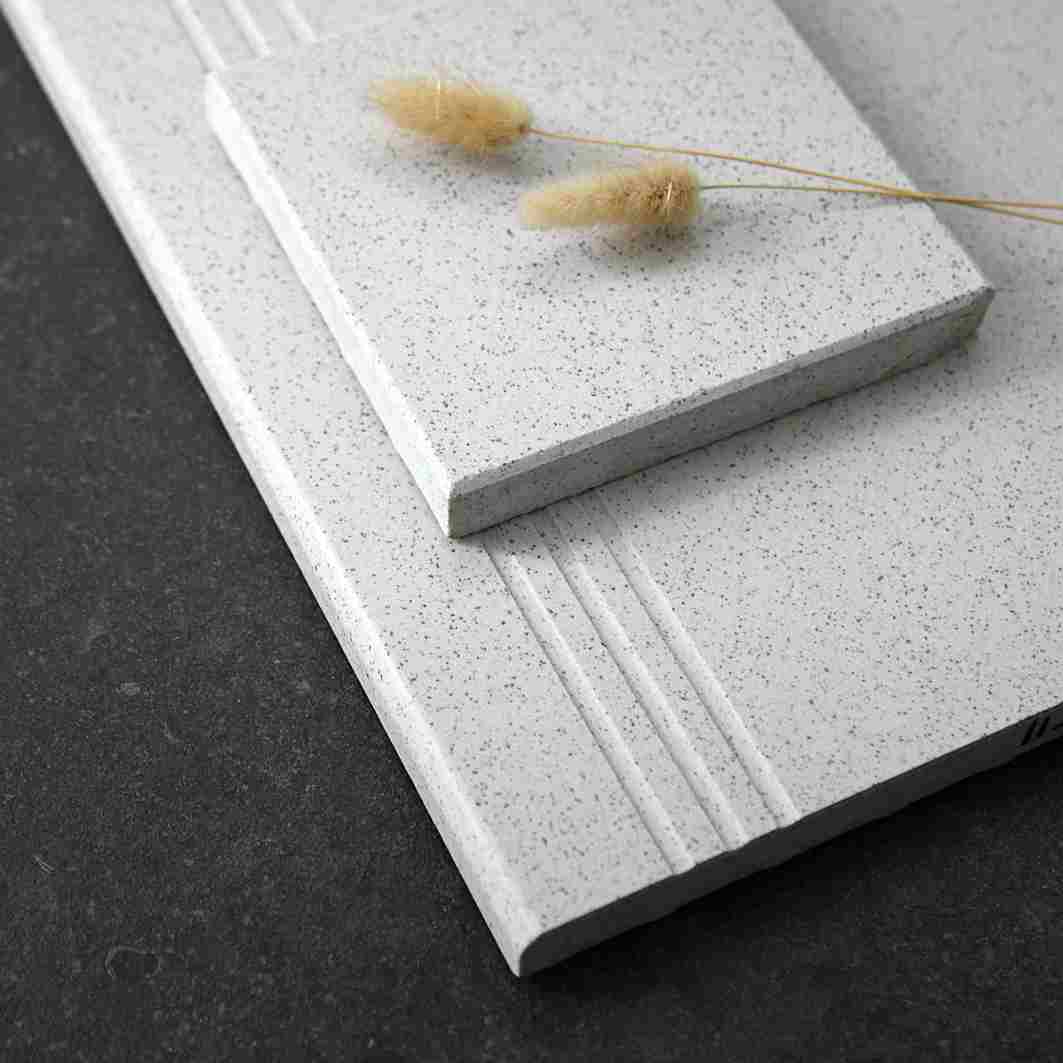
Choosing the right materials for your patio or walkway involves considering multiple aspects to ensure longevity. Climate plays a crucial role, as materials like concrete or stone often hold up better in areas with extreme temperature fluctuations, while wood may require more maintenance. The level of foot traffic should also guide your choice; high-traffic paths benefit from sturdy options like brick or pavers. Additionally, think about the overall aesthetic you want to achieve, balancing durability with design to create a space that lasts and looks great over time.
Beyond aesthetics and climate, budget and installation complexity are key factors. Some materials, such as natural stone, offer exceptional durability but can be costly and require professional installation, whereas composite decking might be a more budget-friendly and DIY-friendly alternative. It's wise to factor in long-term costs, including maintenance and potential repairs, to avoid surprises down the line. By weighing these elements, you can select materials that not only endure but also fit your financial and practical needs seamlessly.
Another often-overlooked aspect is slip resistance and safety, especially for walkways prone to wet conditions. Materials like textured concrete or certain types of tile provide better grip, reducing accident risks. Environmental impact is also becoming a priority for many homeowners; opting for locally sourced or recycled materials can enhance sustainability without compromising on strength. In short, a thoughtful approach that blends durability with personal preferences and safety considerations will yield a patio or walkway that stands the test of time.
Design Ideas to Enhance Style and Functionality in Your Outdoor Space
Sprucing up your outdoor area is a chance to blend aesthetics with practicality, creating a space that feels both inviting and useful. Instead of sticking to basic furniture or plain paving, consider how elements can serve dual purposes—like a raised garden bed that doubles as a seating ledge or decorative lattice panels that provide privacy while adding vertical greenery. By merging style with function, you can transform a simple patio into a versatile extension of your home, perfect for lounging, dining, or even working outdoors.
Think about incorporating multi-functional pieces that adapt to different activities throughout the day. For instance, a fire pit with a removable cover can convert from a cozy evening gathering spot to a flat surface for serving drinks or playing games. Similarly, modular outdoor sofas allow you to rearrange seating for intimate conversations or larger parties, all while maintaining a cohesive, chic look. This flexibility ensures your space meets various needs without feeling cluttered or static, making it as dynamic as your lifestyle.
To truly make your outdoor area stand out, experiment with personalized touches that reflect your character and enhance usability. Install string lights with adjustable brightness for ambiance control, or choose weather-resistant art pieces that add color while doubling as windbreaks. Even small details, like built-in storage benches for cushions or a vertical herb garden near the grill, can elevate both the style and convenience, turning a mundane backyard into a thoughtfully designed retreat tailored to your specific tastes and routines.
Installation Best Practices to Ensure Stability and Aesthetic Appeal
Let's dive into a practical approach for installation that not only enhances the durability of your setup but also elevates its visual charm. Start by selecting high-quality materials that can withstand environmental stress while offering a sleek finish. Proper alignment and secure fastening are crucial—take the time to measure accurately and use appropriate tools to prevent shifts or wobbles over time. This foundational step ensures your installation remains robust, whether it's indoors or exposed to the elements, reducing the risk of damage and maintenance headaches down the road.
When it comes to aesthetic appeal, think beyond mere placement and consider how each component interacts with its surroundings. For instance, integrate color coordination, texture matching, and smart positioning to create a seamless look that complements your space. Avoid overcrowding or random arrangements; instead, plan the layout to highlight key features and maintain balance. By blending functionality with design, you can achieve an installation that looks intentional and polished, turning a simple setup into a statement piece that draws positive attention.
To wrap it up, prioritize regular checks and minor adjustments to keep everything in top shape. This proactive mindset helps catch potential issues early, ensuring your installation stays both stable and visually appealing for years. Remember, a well-thought-out installation isn't just about how it looks at first glance—it's about creating a lasting impression that combines reliability with style, making your effort truly stand out from the crowd.
Maintenance Tips to Keep Your Paving Surfaces Looking Fresh Over Time
You might think that once paving stones are laid, they’re pretty much set for life, but that’s actually a common misperception. Regular upkeep isn’t just about preserving appearances—it’s about safeguarding your investment against cracks, weeds, and stains that can degrade surfaces over time. In fact, a simple monthly check can catch issues early, saving you from costly repairs down the line. So, what exactly does this involve? Let’s break it down into manageable steps that blend preventive care with practical fixes.
Start with a solid cleaning routine, but ditch the harsh chemicals that can damage certain materials. For example, pressure washing is great for concrete, but on natural stone or brick, a gentle scrub with a mild detergent and water often works better. This not only removes dirt but also prevents moss and algae buildup, which can make surfaces slippery and unsightly. Don’t forget to sweep regularly between cleanings to keep debris from settling in cracks—it’s a small effort that goes a long way in maintaining that pristine look.
Beyond cleaning, consider sealing as a game-changer for longevity, especially in areas with harsh weather. A quality sealant acts as a barrier against moisture, oil spills, and UV rays, helping surfaces resist fading and staining. Apply it every few years based on your local conditions, and you’ll notice a noticeable difference in durability. Finally, keep an eye on drainage to avoid water pooling, which can cause erosion and frost damage in colder climates. By integrating these tips into your maintenance plan, you’ll ensure your paving stays fresh and functional for years, not just seasons.
Trending Tile Patterns and Colors for Modern Outdoor Decor
In recent seasons, geometric tile patterns have surged in popularity for contemporary outdoor spaces, offering a crisp, structured aesthetic that complements minimalist design principles. Gone are the days of single-tone slabs; instead, hexagonal, herringbone, and chevron layouts are being laid with a mix of earthy grays and muted terracotta hues. This combination not only withstands weather exposure but also adds dynamic visual interest, making patios and pool decks feel more like curated extensions of indoor living areas rather than mere functional surfaces.
Color palettes in modern outdoor decor are shifting toward organic, nature-inspired tones that blur the lines between built environments and the surrounding landscape. Think of deep charcoal blues that mimic twilight skies or sandy beiges that echo coastal dunes—these shades work harmoniously with natural light and seasonal changes. Paired with textured tiles that mimic stone or wood grain, these colors create a cohesive, inviting atmosphere, encouraging relaxation and social gatherings without the need for overly vibrant or artificial-looking finishes.
Beyond traditional patterns and solid colors, mixed-media tile installations are emerging as a standout trend, where ceramic, porcelain, and natural stone are artfully combined to craft unique outdoor focal points. Imagine a pathway edged with irregular slate pieces in charcoal and sage green, or a feature wall with metallic-accused tiles catching the sunlight. This approach allows for personalized expression and durability, ensuring that outdoor spaces not only stay stylish for years but also reflect individual tastes in ways that mass-produced options often overlook.
FAQ
Consider durability (like freeze-thaw resistance), slip resistance, style that complements your home's exterior, material type (e.g., concrete, natural stone), and maintenance requirements.
Install a proper base with gravel and sand, use quality sealants to prevent weathering, and perform regular cleaning to avoid mold or stains, especially in wet climates.
Current trends include mixed material patterns (like combining wood and stone effects), large-format tiles for a seamless look, and earthy, natural colors that blend with garden landscapes.
DIY is possible for simple projects with interlocking tiles, but for complex layouts or uneven ground, hiring an expert ensures proper drainage and longevity of the installation.
Prices vary widely: concrete tiles are budget-friendly, porcelain options offer mid-range affordability, and natural stone like granite or travertine is premium.
Opt for materials like porcelain or thick concrete with textured surfaces, and select colors and patterns that hide wear, such as mottled or multi-toned designs.
Yes, consider permeable tiles that allow water drainage, recycled materials like rubber or composite pavers, and locally sourced stones to reduce environmental impact.
Sweep regularly to remove debris, wash with mild soapy water annually, reapply sealants every few years, and promptly treat any cracks or weeds between tiles.
Conclusion
When selecting paving tiles for outdoor surfaces, durability is paramount. Opt for materials like porcelain, natural stone, or high-quality concrete that can withstand weather extremes, heavy foot traffic, and potential stains. Consider factors such as slip resistance, frost resistance, and load-bearing capacity, especially for patios and walkways, to ensure long-lasting performance. Additionally, choose tiles with proper thickness and edges that promote stability and prevent cracking over time, keeping your investment secure.
Beyond durability, style plays a crucial role in enhancing your outdoor space. Explore trending patterns like herringbone or geometric designs, and colors such as earthy tones or bold accents, to create a modern aesthetic. Combine functionality with design by integrating textured surfaces for safety and cohesive color schemes for visual appeal. Proper installation techniques, including adequate base preparation and jointing, ensure both stability and a polished look. Regular maintenance, like cleaning and sealing, will preserve the tiles' fresh appearance, making your outdoor area both durable and stylish for years to come.
Contact Us
Contact Person: Emma
Email: [email protected]
Tel/WhatsApp: 8618064423698
Website: https://www.beataceramics.com/