
Optimizing WPC Profile Machines: Step-by-Step Guide to Boost Efficiency
2026-04-06
In the fast-paced world of plastic profile manufacturing, maximizing efficiency isn't just a goal—it's a necessity for staying competitive. If you're working with WPC (Wood-Plastic Composite) profile machines, you know that even minor optimizations can lead to significant gains in productivity and cost savings. But where do you start, and how can you ensure your efforts yield tangible results? This step-by-step guide, brought to you by Yongte, dives deep into practical strategies to boost your machine's performance. From fine-tuning settings to implementing smart maintenance routines, we'll explore actionable tips that can transform your workflow. Whether you're a seasoned operator or new to the field, these insights are designed to help you unlock hidden potential and achieve smoother, faster production. Ready to take your WPC profile machines to the next level? Let's get started on this journey toward peak efficiency—your operation deserves nothing less.
Understanding WPC Profile Machine Mechanics for Efficiency
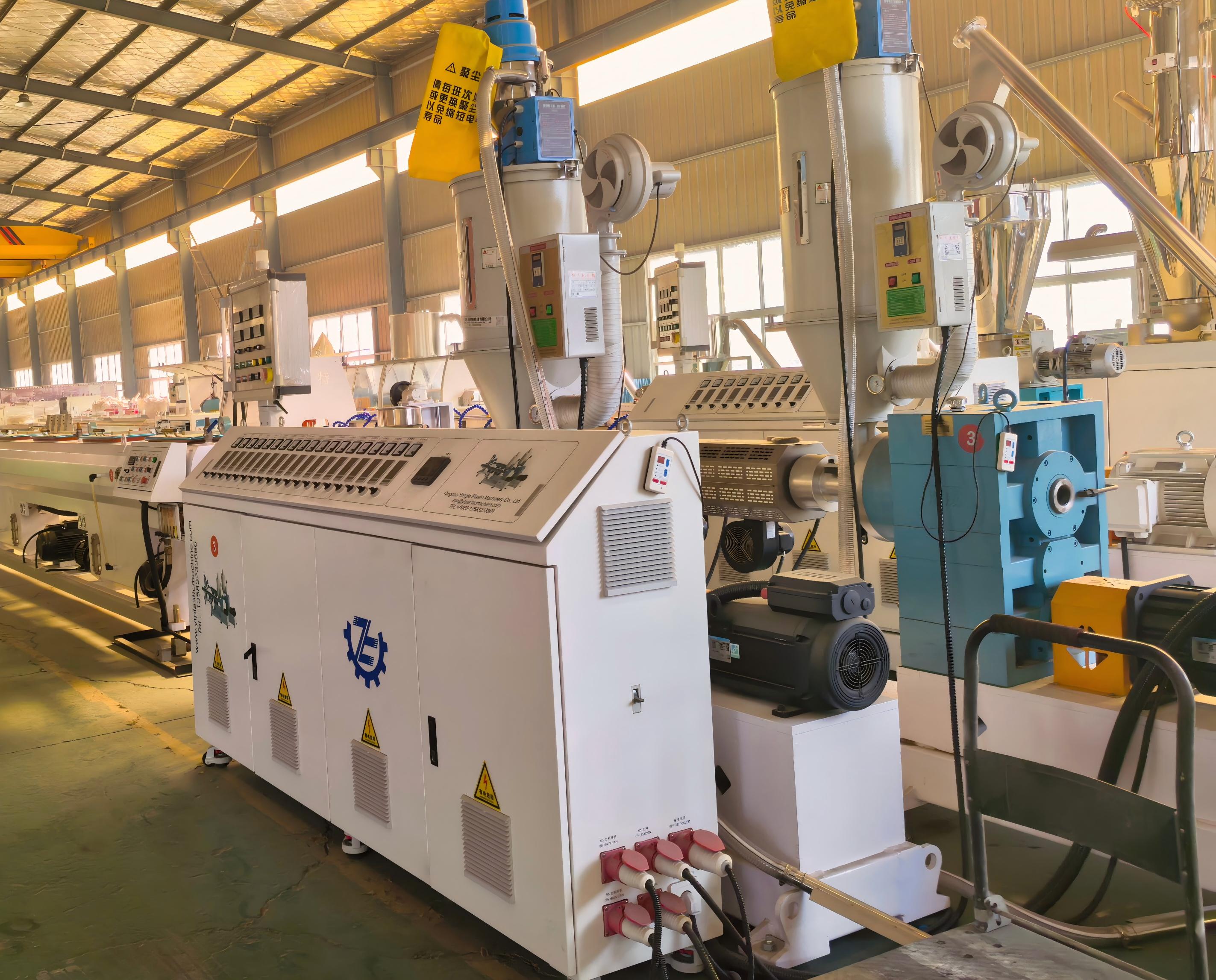
When diving into the world of WPC (Wood-Plastic Composite) profile machines, it's easy to get lost in technical specs, but grasping their inner mechanics is key to boosting efficiency on the production floor. At its core, these machines blend wood fibers with plastic polymers through a precise extrusion process, where screw design, heating zones, and cooling systems work in harmony. By tweaking parameters like screw speed and temperature profiles, operators can reduce material waste and energy consumption—turning raw components into high-quality profiles with minimal downtime.
A common pitfall is overlooking the synergies between mechanical components, such as dies and calibrators, which directly influence profile consistency and surface finish. For instance, optimizing die geometry and maintenance schedules can prevent clogs and defects, speeding up cycles without compromising product integrity.
To truly excel, consider integrating real-time monitoring systems that track metrics like torque and pressure, allowing for proactive adjustments. This hands-on approach not only smoothens operations but also extends machine lifespan, making efficiency a continuous journey rather than a one-time setup.
Fine-Tuning Calibration Settings to Maximize Output
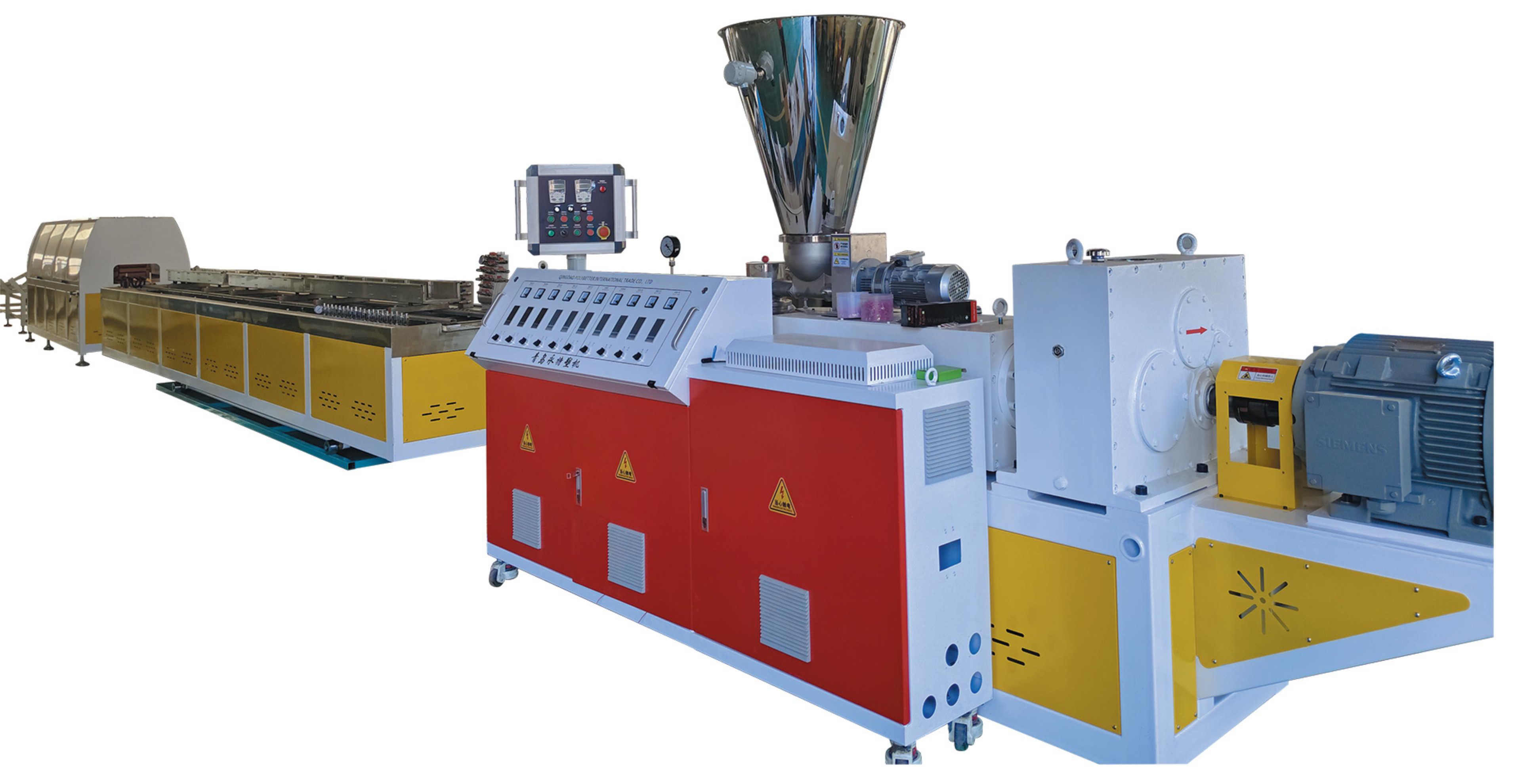
When it comes to fine-tuning calibration settings, it's not just about ticking boxes or following a standard checklist. It's a nuanced process that directly impacts how much you get out of your system. Think of it like tuning a musical instrument—each adjustment, no matter how small, can dramatically change the sound quality. By carefully tweaking parameters such as sensitivity thresholds, response times, and feedback loops, you can align the system's performance with your specific goals. This tailored approach often leads to significant efficiency gains and reduces the risk of errors, making it a critical step for anyone serious about optimizing output.
The real magic happens when you move beyond basic adjustments and explore the interplay between different calibration settings. For instance, adjusting the balance between speed and accuracy can mean the difference between a system that's fast but prone to mistakes and one that's both reliable and quick. Many overlook how minor changes in one area might amplify or dampen effects elsewhere, but diving into these details allows you to craft a setup that feels custom-built for your needs. It's this deeper level of customization that often separates average results from exceptional ones, unlocking potential you might not have realized was there.
To truly maximize output, it's essential to adopt an iterative mindset. Don't expect to set things perfectly on the first try; instead, treat calibration as an ongoing conversation with your system. Test different configurations, gather data on their performance, and refine based on real-world feedback. This dynamic approach not only helps you catch issues early but also fosters a cycle of continuous improvement. Over time, these fine-tuned adjustments compound, leading to smoother operations and a more robust output that stands up to varying conditions and demands.
Implementing Advanced Cooling Systems for Consistency
Keeping things at the right temperature isn't just about avoiding meltdowns; it's a game-changer for reliability. By integrating smart cooling solutions that adapt in real-time to workload demands, operations become smoother and less prone to hiccups. Think of it as giving your setup a weather-savvy brain that anticipates heat spikes before they cause trouble, ensuring everything runs like clockwork day in and day out.
Advanced systems go beyond basic fans or liquid cooling by using predictive analytics and adaptive controls to maintain steady conditions. This means no more sudden drops in performance or unexpected downtime due to overheating. Instead, you get a consistent environment where components last longer and tasks flow seamlessly, making it a smart investment for any operation that values dependability.
What really sets these systems apart is their ability to blend efficiency with precision. By fine-tuning cooling based on real-time data, they not only save energy but also create a stable foundation for complex tasks. It's like having a silent partner that works behind the scenes to keep everything in perfect balance, ensuring consistency isn't just a goal but a daily reality.
Regular Maintenance Routines to Prevent Downtime
Think of your systems as a well-oiled machine—it runs smoothly when you tend to it regularly, but neglect can lead to unexpected breakdowns. By establishing consistent maintenance routines, you're essentially building a safety net that catches small issues before they evolve into major headaches. It's not just about fixing things when they break; it's about proactive care that keeps everything humming along without interruption. Consider setting aside time each week to review critical components, from software updates to hardware checks, ensuring nothing slips through the cracks. This approach transforms maintenance from a chore into a strategic advantage, making reliability a core part of your operation.
Imagine you're sailing a ship across the ocean; without regularly checking for leaks or adjusting the sails, you risk being stranded in a storm. Similarly, in tech or industrial settings, downtime often stems from overlooked details that accumulate over time. Design your routines to be flexible yet thorough, incorporating tasks like cleaning dust from servers to prevent overheating or testing backup systems to confirm data integrity. Encourage your team to document their observations and tweak processes based on real-world feedback. This dynamic method doesn't just prevent downtime—it fosters a culture of vigilance and continuous improvement, setting you apart from competitors who only react when things go wrong.
It's easy to fall into the trap of thinking 'if it ain't broke, don't fix it,' but that mindset can be costly in the long run. Regular maintenance routines serve as a preemptive strike against potential failures, allowing you to schedule interventions at convenient times rather than during a crisis. Focus on key areas like network performance, software patches, and equipment wear-and-tear, using tools and checklists to streamline the process. By making these habits a non-negotiable part of your workflow, you reduce the likelihood of surprises and build a reputation for dependability. Ultimately, it's about investing a little effort now to avoid the significant expense and frustration of unexpected downtime later.
Utilizing High-Grade Materials for Enhanced Durability
The selection of materials plays a critical role in determining the longevity of any product. By opting for high-grade components, manufacturers can significantly extend the lifespan of their goods, reducing the frequency of replacements and repairs. This approach not only enhances user satisfaction but also contributes positively to environmental sustainability by minimizing waste.
High-grade materials, such as reinforced alloys, advanced polymers, or tempered glass, offer superior resistance to common wear factors like moisture, impact, and temperature fluctuations. These materials undergo rigorous testing to ensure they meet stringent durability standards, providing a reliable foundation for products that withstand daily use without compromising performance.
Incorporating such materials can lead to distinctive advantages, such as enhanced structural integrity and aesthetic appeal that endures over time. This focus on quality sets products apart in a competitive market, appealing to consumers who value long-term reliability and thoughtful design. Ultimately, investing in high-grade materials is a strategic decision that pays dividends through improved durability and customer trust.
Integrating Automation Features for Streamlined Operation
Imagine your daily workflow running with a seamless, almost intuitive rhythm, where repetitive tasks vanish into the background. Integrating automation features transforms this vision into reality, moving beyond basic scripted commands to create a cohesive system that adapts to your team's unique needs. By embedding smart triggers and data-driven workflows, operations become not just streamlined but predictive—anticipating bottlenecks and offering solutions before issues arise, all while freeing up human talent for more creative and strategic endeavors.
Unlike generic automation setups, effective integration means weaving these features into the very fabric of your processes, ensuring they're not isolated tools but interconnected components. This approach enhances collaboration, reduces manual errors, and scales effortlessly as your organization grows, offering a subtle yet powerful edge in today's fast-paced environment. It's about crafting an operational ecosystem that feels less like a machine and more like an intelligent partner in efficiency.
Ultimately, streamlined operation through automation isn't just about speed or cost savings; it's about fostering a culture where innovation thrives. With well-integrated features, teams can focus on what truly matters—delivering value and solving complex challenges—while the system handles the routine, creating a dynamic balance that drives sustained success and adaptability in an ever-changing landscape.
FAQ
Optimizing WPC profile machines can lead to reduced energy consumption, faster production speeds, and improved product consistency, ultimately cutting operational costs and enhancing output quality.
Begin by conducting a thorough audit of your machine's current performance metrics, such as output rate and error frequency, to identify specific areas for improvement before implementing targeted adjustments.
Be cautious of over-tweaking settings without proper testing, neglecting routine maintenance checks, and ignoring operator feedback, as these can lead to unexpected downtime or decreased efficiency.
Consider using real-time monitoring systems, automated calibration software, and advanced sensors to track performance data and make precise adjustments for sustained efficiency gains.
Set a regular schedule, such as monthly or quarterly reviews, based on usage intensity, while remaining responsive to any performance dips or changes in production demands.
Yes, proper optimization often includes preventive maintenance and balanced usage, which can reduce wear and tear, extending the machine's lifespan and preventing costly breakdowns.
Skilled operators who understand the machine's nuances can fine-tune settings effectively, spot issues early, and contribute to continuous improvement, making training a key component of optimization.
Track metrics like production output per hour, defect rates, and energy usage before and after changes to quantify improvements and adjust strategies as needed for ongoing benefits.
Conclusion
Optimizing WPC profile machines involves a comprehensive, step-by-step approach to significantly enhance efficiency and performance. The process begins with a deep understanding of the machine mechanics, recognizing how each component interacts to influence output quality and speed. Fine-tuning calibration settings is crucial, as it directly impacts material usage and reduces waste, while simultaneously maximizing productivity. Furthermore, implementing advanced cooling systems ensures consistent operation by maintaining optimal temperatures, which helps prevent defects and variations in the final profiles. By integrating these foundational steps, operators can establish a robust framework for ongoing optimization, laying the groundwork for sustained improvements in machine efficiency over time.
Beyond initial setup, long-term optimization relies on proactive strategies that integrate multiple aspects of machine management. Regular maintenance routines are essential to prevent unexpected downtime, extending the machine's lifespan and maintaining peak performance levels. Utilizing high-grade materials enhances durability, reducing wear and tear and minimizing the need for frequent replacements, which in turn supports smoother operations. The integration of automation features streamlines workflows, allowing for more precise control and freeing up operators for higher-level tasks, thereby boosting overall operational efficiency. Through a holistic approach that combines these elements, businesses can achieve marked improvements in output consistency, resource utilization, and operational reliability, making WPC profile machines more effective and cost-efficient in various industrial applications.
Contact Us
Contact Person: Ms Qin
Email: [email protected]
Tel/WhatsApp: 8613583233866
Website: https://www.yongteplast.com