
OEM LED L1B Fog Light Bulb: The Ultimate Guide to Brighter and Safer Driving
2026-07-28
When visibility drops and the road ahead blurs into a haze of fog, rain, or snow, your stock fog lights often fall short—leaving you squinting and hoping for the best. The OEM LED L1B Fog Light Bulb changes that, delivering a sharp, wide beam that cuts through the murk and reveals hazards early. But not all L1B bulbs are created equal. That’s where LUXFIGHTER steps in—redefining what a plug-and-play upgrade can do. In this guide, we’ll walk you through why the L1B is the bulb your vehicle deserves, how it stacks up against the competition, and what makes LUXFIGHTER’s take on it a genuine leap forward in safety and clarity.
Why L1B Fog Lights Outperform Standard Halogens
The moment you switch to L1B fog lights, the difference in clarity becomes startling. Unlike standard halogens that scatter light in a broad, unfocused pattern, these units produce a crisp, horizontally dispersed beam that hugs the road surface. This precision cuts through mist and precipitation without bouncing glare back into your eyes, allowing you to spot lane markers, debris, and sudden curves much earlier. It's a night-and-day contrast that feels less like an upgrade and more like a revelation in foul weather driving.
Durability is another domain where L1B lights pull ahead of halogens. With solid-state construction free of fragile filaments, they shrug off the vibrations and jolts that routinely kill standard bulbs. You're not constantly replacing bulbs after pothole encounters or rough gravel roads—they just keep working, often for tens of thousands of hours. The sealed housing design also prevents moisture intrusion, which means no more foggy lenses or corroded contacts that degrade performance over time.
The color temperature of L1B output provides a stark advantage. Standard halogens emit a yellowish light that can wash out in rainy or snowy conditions, while the L1B's cooler, white illumination enhances contrast and depth perception. Objects that would normally blend into the periphery suddenly pop with definition, giving you an extra beat to react. It's not about seeing further; it's about seeing more clearly everything that's already in your field of vision, which makes all the difference when conditions turn treacherous.
Key Features to Look for in an OEM LED Fog Light Bulb
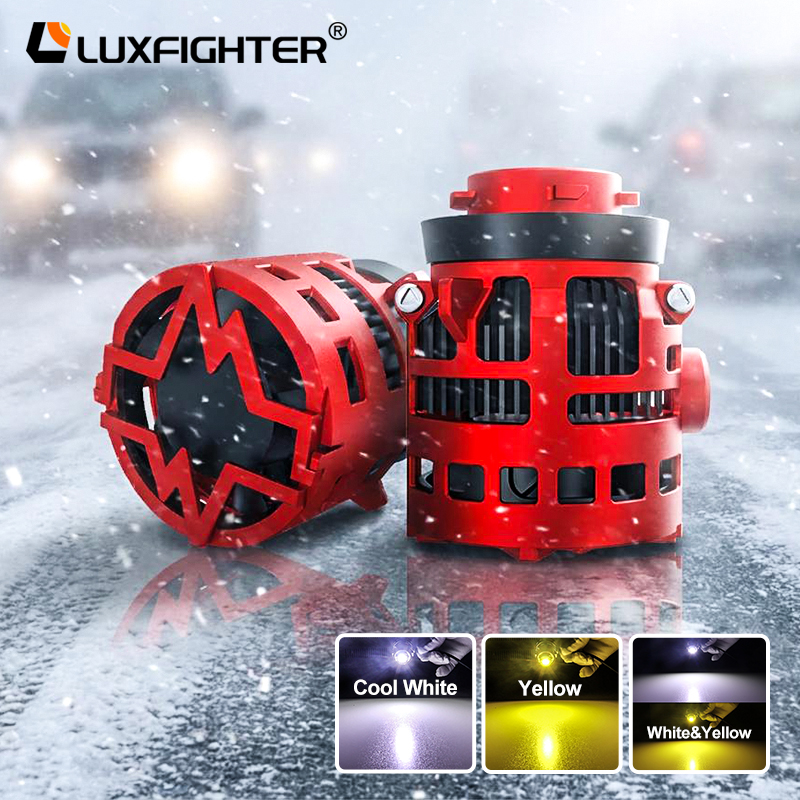
When evaluating an OEM LED fog light bulb, start by examining its beam pattern. You want a bulb that replicates the precise cutoff and spread of the original halogen bulb to avoid glare for oncoming drivers while illuminating the road edges effectively. Many aftermarket options scatter light haphazardly, but a well-designed OEM-spec bulb uses chip placement and optics that match your housing, preserving factory performance.
Thermal management is another make-or-break factor. LED bulbs produce heat at the base, not the filament, so they rely on a heat sink or fan to stay cool. Look for a unit with a robust passive heat sink, like braided copper or a finned aluminum body, which lasts longer than a tiny fan that can fail and lead to premature dimming. A bulb that runs hot will not only shorten its own life but can also damage the fog light housing over time.
Finally, don't overlook build quality and compatibility. The best OEM replacements use a compact driver that fits within your vehicle's dust cover, and they feature weather-sealed connectors to withstand moisture and road debris. Check for a bulb with a sturdy base that locks securely into the housing, plus a warranty that reflects the manufacturer's confidence. A few extra dollars spent on a bulb that meets these criteria pays off in consistent performance during foul weather.
Simple Installation Steps for Your L1B Bulbs
Getting your L1B bulbs set up is straightforward and takes just a few minutes. Start by ensuring the power is off at the switch or breaker box—safety first. Remove any old bulb by gently twisting it counterclockwise. Next, take your new L1B bulb and align the base with the socket. These bulbs use a standard screw base, so they fit most common fixtures without any adapters needed.
Once the bulb is seated, give it a gentle clockwise turn until it feels snug. Avoid overtightening, as this can damage the socket or the bulb's base. After installation, restore power and flip the switch to test. The L1B should light up instantly, with no flickering or warm-up delay. If it doesn’t turn on, double-check that the bulb is fully inserted and the power is on.
For smart features setup, download the companion app and follow the in-app pairing guide. Make sure your phone's Bluetooth and Wi-Fi are enabled when adding the bulb. The app will detect the L1B automatically in most cases, and you'll be ready to customize brightness, schedules, and colors within a few taps. That's it—no tools, no wiring, just a simple swap that upgrades your lighting.
Enhancing Visibility in Adverse Weather Conditions
Driving through a sudden downpour or thick fog isn’t just inconvenient—it dramatically shrinks what you can see ahead. Water droplets, condensation, and airborne particles scatter light, creating a veil that hides road markings, obstacles, and other vehicles. Without clear sightlines, split-second decisions become guesses, and the margin for error narrows dangerously.
Modern vehicles come equipped with a suite of features designed to cut through the murk. Adaptive headlights pivot with the steering, casting beams into curves that fixed lights would miss. Rain-sensing wipers adjust their speed to match the downpour, while heated mirrors and defogging grids keep surfaces clear. For older models, upgrading to premium wiper blades and applying hydrophobic treatments to glass can yield a surprising improvement.
Technology helps, but it can’t replace attentive driving. Slow down enough to match the conditions, and use low beams in fog—high beams simply reflect off the mist and blind you further. Regularly inspect all lights, replace dull bulbs, and keep the windshield washer reservoir filled with a quality fluid. A clean, well-maintained car simply gives you better odds of seeing trouble before it’s too late.
Real-World Performance: What Drivers Are Saying
Beyond the spec sheets and track times, everyday driving tells a different story. Commuters often mention how the car handles stop-and-go traffic with surprising smoothness, the transmission never hunting for gears. One owner described merging onto a busy highway as effortless, with power delivery that feels immediate without being jarring.
Weekend road trips highlight another side. A driver from Colorado noted how the steering weight builds naturally on winding mountain passes, inspiring confidence without fatigue. Others rave about the cabin's quietness at 70 mph, making long drives less draining. "It’s the kind of car that makes you look for the scenic route," one reviewer shared, summing up the blend of comfort and capability.
In the city, visibility and tight turning radius earn consistent praise. Parallel parking, usually a chore, becomes less stressful. A parent in Chicago mentioned how the suspension irons out potholes, yet the car never feels floaty. These real-world impressions paint a picture of a vehicle that adapts to daily demands, not just test tracks.
Caring for Your LED Fog Lights to Extend Lifespan
Most people forget that road grime and bug splatter act like sandpaper on fog light lenses. A habit of wiping them down with a damp microfiber cloth every few days—especially after long drives—prevents the micro-scratches that dull output over time. Skip the automatic car washes too; their harsh chemicals and stiff brushes speed up lens yellowing and can compromise the seal around the housing.
The real lifespan killers are usually moisture and vibration. Every month or two, check that the rubber seals are seated correctly and the mounting brackets haven’t loosened from pothole impacts. If you spot condensation inside the lens, address it immediately—a small bead of fresh silicone around the seam often stops it before the internal reflectors get permanently stained.
Your driving rhythm matters more than you’d think. Frequently flicking them on and off stresses the internal driver, so try to switch them on once and leave them for the duration of your foggy stretch. Also, avoid idling with the lights on for excessive periods without airflow; these units rely on motion to shed heat, and cooking them in place is a sneaky way to burn through LEDs long before their rated hours run out.
FAQ
It's a direct replacement for factory halogen fog bulbs, using advanced LED chips to produce a crisp, wide beam pattern. The L1B is engineered to match OEM housing dimensions, so it fits without adapters and avoids the scattered light you get with cheap LED retrofits.
The bulb’s color temperature sits around 6000K, which cuts through mist better than warmer halogens. Its beam is designed to stay low and flat, reducing glare bouncing off water particles and giving you a clearer view of the road edges.
No, the L1B draws less power than stock halogens and includes built-in resistors that prevent hyper-flashing or error codes. Most modern vehicles accept it without any extra wiring or reprogramming.
Definitely. The LED chips are positioned to match the reflector’s focal point, widening the side illumination. You’ll notice curbs, animals, or debris sooner on dark winding roads, which is a real confidence boost.
When installed correctly in OEM fog housings, the cutoff remains sharp. The L1B’s light output is concentrated in the foreground, not thrown upward like high beams. Always re-aim your fog lights after installation to keep them legally compliant.
These LEDs are rated for 30,000 hours or more, thanks to effective heat dissipation from a small fan and finned heatsink. That’s roughly 10–15 times the lifespan of a typical halogen bulb, so you’ll likely replace them only once over the life of the car.
The job takes about 20 minutes per side. You access the bulb from behind the bumper or through the wheel well, twist out the old halogen, plug in the LED, and tuck the driver module inside. The connectors are foolproof, so you can’t wire it backwards.
Conclusion
Upgrading to OEM LED L1B fog light bulbs transforms nighttime and foul-weather driving into a clearer, more confident experience. Unlike standard halogens that struggle with dim output and short lifespan, L1B bulbs leverage advanced LED chip layouts and precise optics to deliver a crisp, wide beam that cuts through rain, fog, and snow without blinding oncoming traffic. The must-have features go beyond raw brightness: look for robust thermal management, exact plug-and-play compatibility with your vehicle’s housing, and a color temperature around 6000K that heightens contrast on wet roads. Installation is refreshingly straightforward—most drivers simply remove the old halogen unit, twist in the new LED base, and secure the driver module, often completing the swap in under twenty minutes without special tools.
Real-world feedback highlights how these bulbs reveal road edges, hidden obstacles, and lane markings that halogens leave in the shadows, dramatically reducing eye strain during long hauls. To keep that performance sharp, periodic care makes a real difference: a quick wipe of the lens with a microfiber cloth removes haze and debris, while checking connections prevents moisture ingress and flickering. Many owners also note that the L1B’s durable aluminum casing and smart circuit design shrug off vibration and voltage fluctuations, leading to a lifespan that easily outpaces filament bulbs. Beyond the specs, the upgrade brings a tangible sense of security—a noticeable edge in reaction time and overall control when conditions turn unpredictable. Ultimately, choosing OEM LED L1B fog lights means investing in consistent, fatigue-free visibility that doesn’t just meet safety expectations but raises them every time you hit the road.
Contact Us
Contact Person: Gavin Chen
Email: [email protected]
Tel/WhatsApp: (+86)756-6831079
Website: https://www.luxfighter.com/