

OEM Air Damper Essentials: Optimizing Airflow and Efficiency in HVAC Systems
2026-07-04
In the world of HVAC, getting airflow right isn’t just a technical detail—it’s the backbone of system performance and energy efficiency. OEM air dampers play a starring role here, quietly directing air where it’s needed and sealing it off where it’s not. Yet all dampers are not created equal: design, materials, and precision matter enormously. That’s where THT stands out, bringing decades of engineering savvy to damper solutions that truly optimize HVAC operations. In this post, we’ll unpack the essentials of OEM air dampers, from key functions to selection tips that prevent costly mistakes. Whether you’re an engineer, contractor, or facility manager, you’ll discover how the right damper choices—and the right partner—can transform airflow from a headache into a precise, efficient asset.
The Role of Air Dampers in Modern HVAC Performance
Air dampers might seem like simple components, but they are the unsung heroes that give modern HVAC systems their much-needed flexibility and efficiency. Without them, conditioned air would blast through ducts with little control, wasting energy and creating uncomfortable hot or cold spots. Today’s advanced systems lean heavily on these adjustable plates to manage airflow precisely—whether it’s a commercial building fine-tuning pressure in a variable air volume (VAV) box or a smart home balancing room temperatures on the fly.
Beyond basic volume control, dampers now integrate seamlessly with building automation. Motorized versions respond to sensor inputs—CO₂ levels, occupancy, or outdoor air conditions—to modulate air delivery without any manual intervention. This dynamic adjustment is what transforms a basic ventilation setup into a high-performance climate system. By directing more air where it’s needed and less where it isn’t, they help compressors, fans, and coils operate closer to their sweet spot, extending equipment life and slicing energy bills.
The choice of damper type also defines how a system handles challenges like fire safety and fresh air intake. Combination fire-smoke dampers, for instance, stay dormant until they detect heat, then slam shut to contain spread—or stay open to evacuate smoke when linked to a control strategy. In large air handlers, outside and return air dampers work in tandem to harvest free cooling when outdoor conditions allow. It’s this quiet orchestration behind the scenes that keeps modern spaces comfortable, safe, and remarkably efficient, even when the seasons change abruptly.
Why Custom OEM Dampers Outperform Off-the-Shelf Solutions
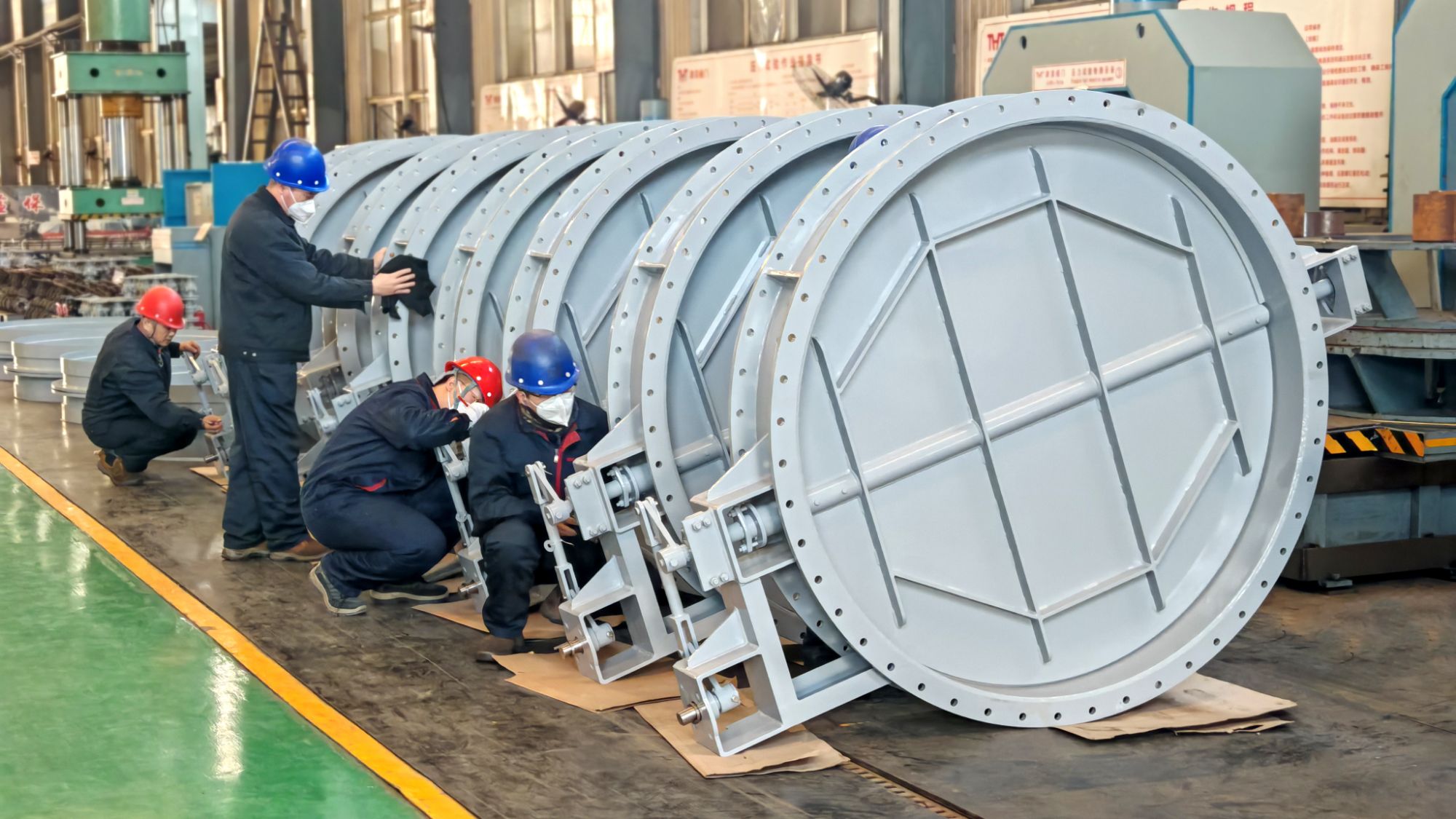
Off-the-shelf dampers are designed to fit a broad range of applications, but they rarely address the specific motion control needs of a unique product. OEM dampers, on the other hand, are engineered from the ground up to match exact force, velocity, and environmental requirements. This tailored approach eliminates unnecessary compromises—like excessive noise, premature wear, or inconsistent performance—that often plague generic components. The result is a solution that integrates seamlessly into your assembly, delivering predictable behavior across the entire lifecycle of the product.
A key advantage of custom OEM dampers lies in material selection and design flexibility. Standard dampers typically use off-the-shelf seals and fluids that may degrade quickly in extreme temperatures or corrosive environments. Custom designs allow engineers to specify specialty elastomers, advanced damping fluids, and robust housing geometries that withstand harsh conditions without sacrificing performance. This not only extends service intervals but also reduces the risk of catastrophic failure in safety-critical applications like medical devices or aerospace systems.
Beyond technical performance, partnering with an OEM damper manufacturer streamlines the entire product development cycle. Instead of adapting a standard part that forces design concessions, you collaborate directly with damping experts who optimize the component for your precise space constraints and mounting requirements. This early-stage collaboration often reveals opportunities to reduce part count, simplify assembly, or improve ergonomics—benefits that no catalog solution can match. In the long run, the upfront investment in a custom solution pays dividends through faster time-to-market and a more refined end product.
Key Design Features That Maximize Airflow Control
Every curve and contour in a well-engineered airflow system serves a purpose, often hidden in plain sight. The inlet geometry, for instance, isn’t just about size—it’s the subtle bellmouth shape that smooths the chaotic rush of incoming air, reducing turbulence before it even enters the core. This approach paired with carefully positioned guide vanes, which act like silent conductors, steering the stream to maintain velocity without the energy-sapping swirls that plague lesser designs.
Material choices often fly under the radar, yet they’re critical. A shift to a matte-textured interior surface might seem like an aesthetic afterthought, but it disrupts the microscopic boundary layer just enough to keep flow attached through tight bends. Similarly, strategically placed bleed slots allow a whisper of air to escape at high-pressure points, recirculating it where stagnation would otherwise choke performance. It’s a balancing act—venting just enough to breathe life back into the stream without sacrificing pressure.
Beyond individual parts, the real magic lies in the holistic interaction between them. A slightly elongated expansion chamber does more than just dampen noise; it gives compressed air the space to reorganize before hitting a critical turn. This, coupled with a proprietary vortex disruption ring at the outlet, diffuses residual spin energy, delivering a flow that feels almost laminar in its consistency. It’s these layered, unassuming tweaks that transform a simple passage into a precisely tuned pathway.
Balancing Energy Efficiency and System Longevity
Striking the right balance between energy efficiency and system longevity is a nuanced challenge that goes beyond simply turning down the power. Aggressive energy-saving measures, such as frequent deep cycling of batteries or running components at their lower voltage thresholds, can introduce subtle stresses that accumulate over time. These practices might trim short-term consumption, but they often accelerate wear on capacitors, connectors, and silicon, leading to premature failures. A more thoughtful approach involves understanding the specific tolerance bands of each component—recognizing that a server’s power supply, for instance, hits its efficiency sweet spot at around 50–70% load, while operating it constantly at 20% to save energy can actually degrade its capacitors faster due to thermal cycling.
Modern systems offer a middle path through adaptive control strategies that honor both priorities. Instead of static, one-size-fits-all settings, intelligent firmware can dynamically adjust clock speeds, voltage, and cooling based on real-time demand, ambient conditions, and even the age of the hardware. For example, a storage array might delay disk spin-down during periods of frequent access to avoid the mechanical strain of repeated start-stop cycles, accepting a minor efficiency dip for a significant gain in drive lifespan. Similarly, in industrial motor drives, gradually ramping power rather than imposing abrupt changes reduces insulation stress and bearing wear, ensuring that energy-saving algorithms don’t inadvertently trade next month’s electricity bill for next year’s capital expenditure.
Ultimately, prolonging equipment life while curbing energy use requires a shift in mindset from immediate savings to total cost of ownership. This means designing for resilience in the face of variable efficiency modes—selecting components rated for the ripple currents and thermal excursions that come with eco-mode operations, and investing in predictive maintenance that flags when a power-saving profile is overly taxing a system. It also involves challenging the default assumption that lower energy always equals better; sometimes, a slight and deliberate increase in baseline consumption can stabilize a system, avoiding the hidden costs of early retirement and manufacturing replacement parts. In this light, true optimization isn’t about a single number on a power meter, but about a seamless dialogue between efficiency aspirations and the physical limits of the machines themselves.
Material Selection for Corrosion Resistance and Durability
Choosing the right material isn’t just about resisting rust—it’s about understanding the environment it will face. For coastal infrastructure, the combination of salt spray, humidity, and temperature swings demands alloys that form stable passive layers. Stainless steels with higher molybdenum content, like 316L, often outperform standard grades in these settings, but even they can struggle if chlorides concentrate in crevices. Sometimes, a less obvious choice, such as a duplex stainless steel or a well-chosen nickel alloy, provides the longevity that initial cost comparisons miss.
Durability goes beyond the material’s inherent corrosion rate. Fabrication processes—welding, forming, or surface finishing—can create weak points where attack begins. Heat-affected zones in welded stainless steels, for example, may become susceptible to intergranular corrosion if not properly treated. Likewise, mechanical design influences how long a part lasts; avoiding sharp corners and ensuring proper drainage prevents the pooling of corrosive media. A holistic view that couples material chemistry with manufacturing and design choices is what ultimately extends service life.
Real-world performance often reveals gaps that laboratory tests don’t capture. Case studies from chemical plants show that equipment longevity improved not by switching to a more exotic alloy but by refining the surface finish and implementing routine cleaning protocols. In oil and gas applications, the shift toward high-strength, corrosion-resistant alloys for downhole components has reduced failure rates significantly—but only when the entire system, from seals to coatings, is considered. This integrated approach turns material selection into a strategic decision rather than a simple spec-sheet comparison.
Installation Practices to Avoid Common Airflow Issues
When mounting equipment, leaving enough breathing room around vents and intakes makes a world of difference. It’s easy to overlook how close a rear panel sits to a wall or how densely units are packed into a rack. Even a few extra inches can allow heat to escape naturally, preventing the system from working harder than it needs to. Simple spacers or standoffs often do the trick, and they’re a fraction of the cost of an overheating-related failure.
Cable routing is another silent culprit. Bundles that block fan trays or crisscross over airflow paths quietly sabotage cooling. A bit of planning with tie-downs or curved managers keeps cables tucked out of the way without pinching. It’s tedious up front, but it pays off by maintaining steady temperatures across all components instead of creating hot zones that degrade performance over time.
Filter placement and maintenance schedules also deserve a closer look. Many installations treat filters as an afterthought, slapping them wherever there’s space and forgetting about them. Regular cleaning or replacement keeps dust from silently choking airflow in and out. Pair that with proper fan orientation—drawing cool air from the right spots and exhausting warm air without recirculating it—and you’ve got a setup that runs quieter and lasts longer.
FAQ
OEM stands for Original Equipment Manufacturer. In HVAC, an OEM air damper is designed and produced by the same company that manufactured your system, ensuring perfect compatibility and reliable performance. Using non-OEM parts can lead to fitment issues, reduced efficiency, and even voided warranties.
Dampers act as control valves inside the ductwork. They have movable blades that open or close to adjust the volume of air passing through. By partially blocking the airflow, they can direct conditioned air precisely where it's needed, balancing temperatures across different zones and preventing over-pressurization.
When airflow is unbalanced, some areas get too much heating or cooling while others get too little, leading the system to run longer cycles to compensate. Properly adjusted dampers eliminate this waste, allowing the equipment to operate within its designed parameters and drastically cutting energy bills over time.
Common red flags include uneven room temperatures, whistling or rattling noises from vents, unexpected spikes in utility costs, and difficulty maintaining setpoints. If dampers are stuck or leaking, the system has to work harder, which accelerates wear on components like fans and compressors.
Absolutely. Modern dampers often feature tighter seals, low-leakage ratings, and smoother actuator controls. Retrofitting them into legacy systems can enhance zone control precision and reduce air leakage, effectively boosting overall system efficiency without replacing major equipment.
Sizing depends on duct dimensions, required airflow rates, and static pressure conditions. It's not a one-size-fits-all choice; oversizing can cause turbulence and noise, while undersizing restricts flow and stresses the fan. Consulting the OEM specifications and performing a proper load calculation is essential.
Regular inspections should check for debris, rust, and actuator function. Lubricating linkages and verifying seal integrity can prevent binding. Since dampers are often tucked away in hard-to-reach spots, scheduling professional assessments during seasonal system tune-ups ensures they continue to modulate airflow smoothly.
Conclusion
Air dampers are fundamental to HVAC efficiency, directing and modulating airflow to match demand while preventing energy waste. Off-the-shelf units rarely deliver the precision that custom OEM designs provide, especially in systems where tight sealing and exact blade alignment are critical. By engineering dampers with low-leakage seals, aerodynamic blade profiles, and robust actuators, OEM solutions maximize control authority across varying pressure differentials. This tailored approach ensures that even under part-load conditions, the system maintains comfort without excessive fan energy.
Long-term performance hinges on balancing energy efficiency with component durability. Selecting materials like 316 stainless steel or coated aluminum resists corrosion in humid or contaminated airstreams, extending service life. Proper installation is equally important—misaligned dampers create cavitation noise and pressure drops that strain the entire HVAC network. When integrated correctly, custom OEM dampers support lower operating costs and fewer maintenance interventions, making them an investment that pays back through sustained, efficient operation.
Contact Us
Contact Person: Su Zhang
Email: [email protected]
Tel/WhatsApp: +86-25219206
Website: https://www.tht-valve.com/