

Motorized Roller Shades Wholesale: Smart, Effortless Light Control for Modern Spaces
2026-11-02
Imagine a space where light adjusts itself to your rhythm, not the other way around. Motorized roller shades are quietly transforming how modern interiors manage glare, privacy, and energy—without a single cord in sight. For wholesalers and designers, the challenge isn't just finding a smart shade; it's finding one that pairs effortless motion with lasting performance. That's where ROLLERGY enters the picture. We've stripped away the complexity so you can offer clients a seamless blend of automation and elegance. In this post, we'll break down why these shades are becoming a staple in contemporary spaces and what to look for when sourcing at scale.
Quiet Motors That Blend Into the Background
Most people only notice a motor when it demands attention. These ones don't. There is no whine on startup, no rattle under load, just a low, steady hum that fades into the room within seconds. You might hear the click of a switch more clearly than the movement it triggers.
That kind of restraint comes from careful balancing and tighter tolerances inside the housing. The result is less friction, fewer sharp harmonics, and a sound profile closer to a soft exhale than a machine. In a quiet kitchen or a late-night nursery, the difference is immediate.
Blending into the background is not just about volume. It is about character. A harsh motor draws attention even when it is not loud. The tuning keeps the remaining noise smooth and neutral, letting you focus on what the device does rather than the fact that it is working.
Light Control That Adapts Before You Ask
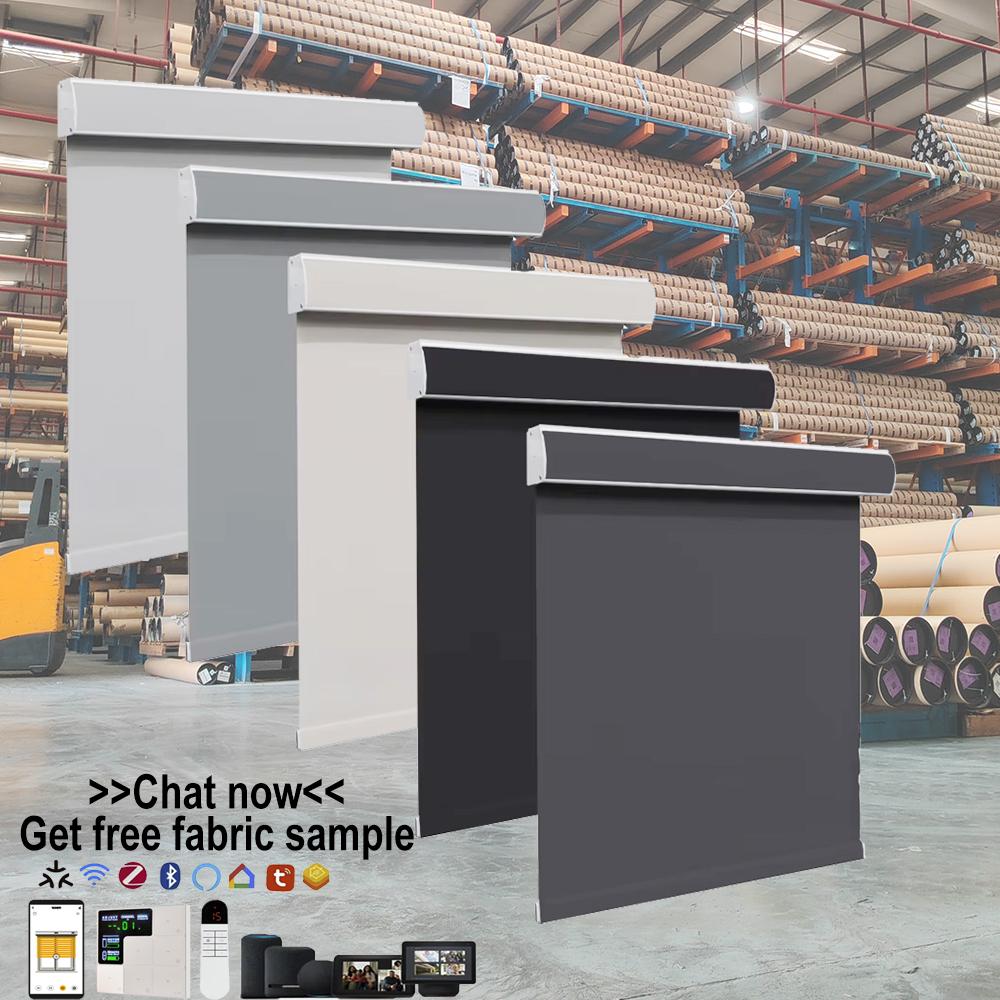
The lights in your home shouldn’t wait for a command—they should already know. Our system reads the room the moment you walk in, tracking your habits quietly in the background. It notices when you like the kitchen brighter on weekday mornings, when the living room dims for every movie night, and when a hallway glow helps you settle in after dark. No apps to open, no phrases to repeat. By the time you reach for a switch, the room has already shifted to match your rhythm.
What sets this apart is how it learns without being told. Instead of following fixed schedules or generic motion rules, it watches patterns that are uniquely yours. The bathroom light warms gradually as you wake, the study stays sharp while you work, and the porch light waits until you actually pull into the driveway—not a minute sooner. Small adjustments happen throughout the day, so the lighting always feels intentional, never reactive. You simply move through your space and it responds, as if the house has been paying attention all along.
Over time, those tiny adaptations add up to something bigger: a home that feels less like a collection of devices and more like a quiet collaborator. You stop thinking about lighting altogether because it rarely needs your input. That’s the real shift—control that doesn’t demand your attention, but frees you to focus on everything else.
A Wholesale Line That Keeps Installers Coming Back
Installers don't come back for a logo. They come back because the job runs smooth from first cut to final walkthrough. Our wholesale line is built around that reality: consistent tile calibration, square edges, and color-matched dye lots that don't shift between boxes. When an installer unloads a pallet and sees the same shade, same thickness, and same sizing as the last order, they stop worrying about callbacks. That trust is worth more than any discount.
Supply matters as much as the product. We keep deep stock on the items installers actually reorder, not just the showroom samples. Same-day pickup and next-day delivery are standard for our line, and reorder numbers stay active instead of being discontinued every season. If an installer needs three extra cartons on a Friday afternoon to finish a backsplash, we find a way to get them there. That kind of backup turns a one-time buyer into a regular.
Margin also plays a part, but not the way most suppliers think. A low price with damaged edges and missing trim pieces eats profit fast. Our wholesale pricing holds the line on quality, so installers aren't making return trips or eating the cost of replacement tile. The result is a line they can bid confidently and install without second-guessing. When the numbers work and the material behaves, they keep coming back—and they bring their crew with them.
Clean Sightlines for Glass Walls and Tall Windows
True clean sightlines come down to what you don't see. For glass walls and tall windows, that means pushing mullions to the edges, recessing tracks into the floor, and choosing structural glazing whenever the budget allows. The result isn't just a bigger view—it's a quieter frame that lets the glass itself set the boundary.
Height changes the game. Tall windows catch more wind and move more with temperature swings, so the structure has to be stiffer. But that stiffness doesn't have to show. Embedding steel reinforcement inside the surrounding slab or using glass fins instead of visible columns keeps the vertical lines crisp. Low-iron glass also matters here; standard panes add a faint green tint that becomes obvious when you're looking through several meters of glass.
Dirt and hardware are the silent killers of a clean sightline. A flush sill with no upturned lip collects less debris than a recessed track. Handles stay discreet when they're mounted on the edge rather than the face of the frame. Over time, these small decisions compound, and the glass starts to feel like nothing at all.
Shades That Work With Your Smart Home, Not Against It
Most smart shades get the “smart” part right but forget the “home” part—blasting open at sunrise when you worked late, or dropping down mid-movie because a routine fired off schedule. Shades that truly cooperate with your smart home listen to context, not just commands. They check whether the room is occupied, whether the TV is on, whether the thermostat is already fighting a heat wave, and then make small adjustments instead of dramatic interruptions.
The difference shows up in daily rhythm. Instead of a fixed 7 a.m. automation, these shades ease open only after your alarm goes off or when a motion sensor sees actual movement in the bedroom. In the afternoon, they tilt just enough to cut glare on your screen, but not so much that the room turns into a cave. And when you dim the lights for a movie, they know to close without being asked—because the lighting scene and shade position are treated as one action, not two separate apps.
Reliability is part of working with your home, too. If the internet drops, the shades should still respond to a wall switch or a local hub, not brick themselves into place. Pair that with simple manual override—a gentle tug on the fabric or a twist of a dial—and you get something rare: automation that feels like it’s on your side, rather than another device you have to manage.
Lower Energy Bills Without Sacrificing the View
Many homeowners assume that trimming energy costs means covering windows with heavy drapes or closing blinds, which blocks natural light and the outdoor scenery. But modern glazing options make it possible to keep the glass clear and the view intact while cutting heat transfer. Low-emissivity coatings and double- or triple-pane argon-filled units work invisibly to reflect infrared heat, so your rooms stay cooler in summer and warmer in winter without looking tinted or frosted.
The difference often shows up within a single billing cycle. In a home with older single-pane windows, as much as 30% of heating and cooling energy escapes through the glass. Swapping to spectrally selective glass can reduce that loss dramatically, while still letting visible light pass through at nearly the same level as plain glass. You keep the sightlines to your garden, skyline, or shoreline, and the HVAC system runs less often—meaning lower monthly charges and less wear on equipment.
If full replacement isn't in the budget, there are retrofit films that reject solar heat without darkening the room. Look for products with a high visible light transmittance and a low solar heat gain coefficient. They can be applied directly to existing windows and are often paired with exterior shading like awnings or overhangs to handle peak afternoon sun. The key is to protect the view first, then tune the glass performance around it, so you never have to choose between a bright, open interior and a reasonable utility bill.
FAQ
They cut visual clutter and let you adjust light with a tap or voice command. The clean, minimal profile fits open floor plans and floor-to-ceiling windows, while automated schedules keep rooms comfortable without you constantly tugging at cords.
You can group them by zone and set timers, so east-facing windows open gradually in the morning and west-facing ones lower before afternoon glare. Staff can also override locally with a remote or wall keypad, so comfort doesn't depend on IT settings.
Check the motor's torque rating and noise level, the fabric's openness factor for glare vs. view, and whether the supplier offers custom widths and mounting brackets for different window depths. Also ask about lead times and whether replacement parts are stocked locally.
Yes, many manufacturers build to spec for angled tops, skylights, or wide spans up to around 120 inches per shade. You'll want to confirm the tube diameter and fabric weight can handle the drop without sagging, and consider dual motors for very wide openings.
Not really. Most use Z-Wave, Zigbee, or Wi-Fi bridges that connect to platforms like Alexa, Google Home, or Control4. A wired option can also tie into building management systems, so it's often a matter of choosing the right protocol for the project.
Beyond the shade itself, factor in power options—battery wands vs. hardwired vs. solar—along with installation brackets, programming time, and any needed repeater devices for large buildings. Shipping for long tubes can also add up, so ask about freight consolidation.
Quality tubular motors are rated for 10,000 to 20,000 cycles, which translates to years of daily use. Batteries may need swapping every 3-5 years depending on usage, while hardwired motors require almost no maintenance besides occasional fabric cleaning.
Conclusion
Modern spaces need window coverings that don't compete with the architecture. Motorized roller shades from this wholesale line use motors so quiet they melt into the background—no humming during a call, no clicking at sunrise. For glass walls and tall windows, the fabric rolls into a minimal housing that keeps sightlines clean, and installers can tuck the system into tight ceiling pockets without disrupting the design. The light control is adaptive, responding to shifts in daylight before you even think to adjust them. A room stays bright but glare-free, and those subtle changes happen without anyone pressing a button or opening an app. This is lighting that anticipates the day, not just reacts to it.
Installers keep coming back because the line is built for real job sites, not showrooms. It pairs cleanly with major smart home and building management platforms, so there's no need to fight through complicated integrations or swap out existing controls. Once installed, the shades help cut energy bills by managing heat gain while preserving the view—something clients notice when afternoon sun would normally force the shades down. The hardware is dependable, the controls are simple, and the result feels less like a gadget and more like a natural part of the space. That's why this wholesale collection has become a go-to for modern projects that demand quiet, effortless light control.
Contact Us
Contact Person: Vivien Cheng
Email: [email protected]
Tel/WhatsApp: +86 13751758835
Website: https://www.rollergytech.com/