

Innovative Chinese Farm Solar Mounting Systems: Advancing Agricultural Sustainability
2026-01-16
Welcome to a new era of agricultural innovation! In a world where sustainability meets cutting-edge technology, we're excited to dive into the transformative power of solar energy in farming. In this blog post, 'Innovative Chinese Farm Solar Mounting Systems: Advancing Agricultural Sustainability,' we'll explore how these smart systems are not just powering farms but revolutionizing them—boosting efficiency, reducing carbon footprints, and securing food production for future generations. Curious about the game-changing role of Energet Solar in driving this green revolution? Stay tuned as we uncover the secrets behind their pioneering solutions and why they're setting the standard for sustainable agriculture worldwide.
How China's Farm Solar Mounting Systems Address Agricultural Energy Challenges
China's farm solar mounting systems are revolutionizing the agricultural sector by tackling energy challenges head-on. By integrating solar panels directly into farming operations, these systems enable farmers to generate clean electricity on-site, reducing reliance on fossil fuels and stabilizing energy costs. This not only lowers operational expenses but also supports sustainable practices, helping to mitigate carbon emissions and enhance energy independence for rural communities.
A key advantage lies in the dual-use capability of these mounting systems, which are designed to maximize space efficiency without disrupting agricultural productivity. For instance, elevated structures allow crops to grow underneath, protecting them from harsh weather while generating power. This synergy addresses land scarcity issues and boosts farm resilience, making solar integration a practical solution for modernizing rural infrastructure and ensuring a steady energy supply amidst fluctuating demands.
Moreover, these systems contribute to broader energy goals by facilitating decentralized power generation, which enhances grid stability in remote areas. By combining advanced technology with tailored designs for diverse agricultural conditions, China's approach not only solves immediate energy challenges but also fosters long-term economic and environmental benefits, empowering farmers to thrive in an evolving energy landscape.
Versatile Designs of Chinese Solar Mounting Solutions for Varied Farm Needs
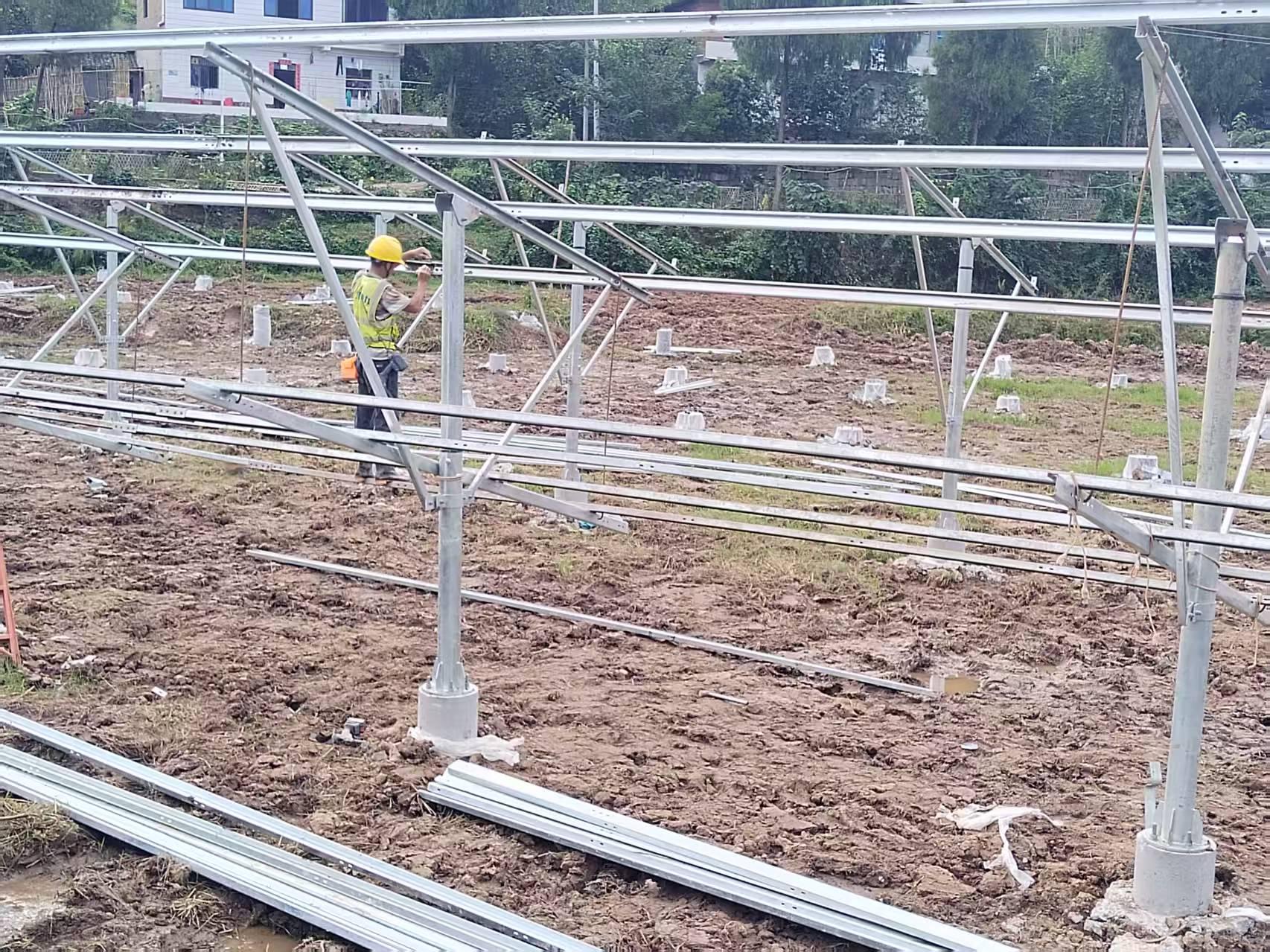
Chinese manufacturers are increasingly tailoring solar mounting systems to meet the diverse requirements of agricultural operations. From ground-mounted arrays on sprawling fields to rooftop installations on barns and greenhouses, these solutions are engineered to withstand harsh outdoor conditions while optimizing land use. By offering adjustable angles and easy-to-assemble components, these mounts help farmers capture maximum sunlight throughout the seasons, enhancing energy efficiency without disrupting daily farm activities.
One standout feature is the adaptability to uneven terrains and varying crop cycles. For instance, some systems are designed with elevated structures that allow for dual land use, enabling crops or livestock to thrive underneath the solar panels. This approach not only supports renewable energy generation but also boosts agricultural productivity, making it a practical choice for farmers looking to diversify their income streams. Materials like galvanized steel and aluminum ensure durability against corrosion, reducing long-term maintenance costs.
Beyond functionality, these mounting solutions incorporate smart design elements that simplify installation and future expansions. Modular frameworks allow for easy scalability, so farmers can start small and add more panels as their energy needs grow. This flexibility, combined with competitive pricing from Chinese suppliers, positions these systems as reliable assets for modern farms aiming to reduce carbon footprints and operational expenses simultaneously.
Pioneering Materials in Modern Chinese Farm Solar Installations
As Chinese farms embrace renewable energy, innovative materials are transforming solar installations, making them more efficient and cost-effective. Lightweight and flexible solar panels, often using perovskite technology, are being deployed on arable land and greenhouses, adapting to diverse agricultural settings without compromising crop yields. These advanced materials not only enhance energy capture but also integrate seamlessly with farm infrastructure, supporting a sustainable transition in rural areas.
Beyond traditional silicon, many installations now incorporate bifacial solar modules that capture sunlight from both sides, boosting output in China's varied climates. Additionally, materials like anti-reflective coatings and durable, weather-resistant composites extend the lifespan of solar arrays, reducing maintenance needs on farms. This shift towards high-performance components helps farmers maximize energy production while minimizing environmental impact, fostering a greener agricultural sector.
The use of smart materials, such as self-cleaning surfaces and integrated sensors, is also gaining traction, ensuring optimal efficiency in dusty or remote farm environments. By leveraging these pioneering technologies, Chinese solar installations on farms are setting new standards for reliability and innovation, contributing to broader energy goals and economic resilience in rural communities.
Synergizing Solar Energy with Innovative Farming Techniques in China
In China, the integration of solar energy systems with advanced agricultural practices is transforming rural landscapes and boosting food production. Farmers are installing solar panels above crops, a method known as agrivoltaics, which not only generates clean electricity but also provides shade that reduces water evaporation and protects plants from extreme weather. This dual-use approach allows land to serve dual purposes, increasing overall efficiency and supporting China's goals for renewable energy expansion while maintaining agricultural output.
Innovative farming techniques, such as precision agriculture and vertical farming, are being enhanced by solar-powered technologies. For example, solar energy powers irrigation systems, sensors, and automated equipment, enabling more precise control over water and nutrient delivery. This reduces waste and lowers operational costs, making small-scale farms more sustainable and profitable. By leveraging solar power, farmers can adopt data-driven methods that optimize crop yields and minimize environmental impact, aligning with China's push for smart agriculture.
The synergy between solar energy and farming in China is also driving economic and social benefits in rural communities. Government initiatives and private investments are promoting projects that combine solar installations with greenhouses or aquaculture, creating new job opportunities and diversifying income sources. This holistic approach not only addresses energy and food security challenges but also fosters resilience against climate change, showcasing how innovation can bridge traditional practices with modern sustainability goals.
Economic and Environmental Benefits of China's Solar Mounting Systems for Farms
China's solar mounting systems for farms are revolutionizing agricultural practices by integrating renewable energy production with crop cultivation. These installations, often set up on rooftops or over fields, allow farmers to generate electricity while continuing to farm the land below, effectively turning farms into dual-use assets. This synergy not only provides a steady stream of income from selling excess power to the grid but also reduces reliance on traditional, costly energy sources. By lowering operational expenses, particularly in irrigation and machinery, farmers can reinvest savings into improving yields or expanding their operations, fostering long-term economic resilience in rural communities.
From an environmental standpoint, these systems contribute significantly to sustainability. By replacing fossil fuel-based energy, they cut greenhouse gas emissions, helping China meet its climate goals on a local scale. The shade provided by solar panels can benefit certain crops by moderating temperature extremes and reducing water evaporation, leading to more efficient water use—a critical advantage in arid regions. This dual-purpose setup also promotes land conservation, as it avoids the need for separate solar farms that might encroach on natural habitats. As a result, farms become not just food producers but active participants in ecological stewardship, enhancing biodiversity and soil health through controlled microclimates.
What sets China's approach apart is its scalable and adaptable design, tailored to diverse farming contexts from smallholdings to large agribusinesses. Innovations like adjustable mounts and lightweight materials ensure systems can withstand harsh weather while minimizing disruption to farming activities. This flexibility, coupled with government incentives and technological advancements, makes solar mounting an accessible and profitable option, driving widespread adoption across the country. Ultimately, this integration of solar energy into agriculture showcases a forward-thinking model that balances economic gain with environmental care, offering a blueprint for sustainable development globally.
Future Trends in Chinese Agricultural Solar Mounting Innovations
In China, the integration of solar power into agriculture is rapidly evolving, with mounting innovations poised to reshape how we use land and energy. Recent developments focus on dual-use systems that combine traditional farming with efficient electricity generation, such as elevated structures that allow crops to thrive beneath solar panels. This approach not only maximizes resource utilization but also addresses food security and renewable energy goals simultaneously, making it a compelling trend for sustainable development.
Looking ahead, smart technologies are set to enhance these agricultural solar mounting designs. Innovations like AI-driven tracking systems can adjust panel angles to optimize sunlight exposure while minimizing shadow interference for crops. Coupled with IoT sensors that monitor soil moisture and crop health, these advancements promise a more responsive and integrated approach, pushing the boundaries of precision agriculture in China's diverse landscapes.
Moreover, the trend is moving toward modular and adaptable mounting solutions that cater to varied agricultural settings, from small-scale farms to large agrivoltaic projects. By incorporating durable, locally-sourced materials and designs that withstand harsh weather conditions, Chinese innovators are reducing costs and environmental impact. This shift not only boosts adoption rates but also fosters a circular economy, positioning China as a leader in sustainable agricultural practices globally.
FAQ
Chinese farm solar mounting systems incorporate dual-use structures that allow solar panels to be installed above crops, maximizing land efficiency. Innovations include adjustable tilt mechanisms for optimal sunlight exposure and modular designs tailored to different agricultural needs, such as rice paddies or orchards.
By integrating solar energy production with farming, these systems reduce reliance on fossil fuels, lower energy costs for irrigation and operations, and provide shade that can help conserve water and improve crop resilience in hot climates.
Initial setup costs can be high, though they often pay off long-term. Farmers may need to adapt farming practices, such as using machinery that fits under the panels. Local climate conditions and crop types also influence system effectiveness.
Crops like leafy greens, berries, and herbs thrive under partial shade provided by solar panels, as it reduces heat stress and water evaporation. Systems can be customized for vineyards or livestock areas, enhancing versatility.
Materials are corrosion-resistant to withstand humidity and chemical exposure from fertilizers. Sturdy frameworks prevent damage from wind or heavy rain, with easy maintenance features to ensure longevity in rugged farm settings.
Chinese policies, such as subsidies and renewable energy targets, incentivize adoption by offsetting installation costs. Initiatives like the 'Solar PV Poverty Alleviation' program encourage rural areas to combine farming with solar power for economic and environmental gains.
Yes, modular designs allow scalability from small family plots to vast commercial farms. Components can be added incrementally, and systems are adaptable to various terrains, making them accessible for diverse farm sizes and budgets.
They boost income through energy savings and potential revenue from selling excess power to the grid. Enhanced crop yields from optimized microclimates and reduced energy bills contribute to overall farm profitability and sustainability.
Conclusion
China's farm solar mounting systems are revolutionizing agricultural sustainability by tackling energy challenges head-on, providing reliable power in remote areas and reducing dependence on fossil fuels. These innovative systems feature versatile designs tailored to diverse farm needs, from small-scale plots to large installations, integrating seamlessly with crops and livestock. Pioneering materials, such as corrosion-resistant alloys and lightweight composites, ensure durability and efficiency in harsh environments. By synergizing solar energy with advanced farming techniques, these installations support precision agriculture and water conservation, enhancing overall productivity.
The economic and environmental benefits are significant, lowering operational costs and cutting carbon emissions while promoting green energy adoption. Future trends point toward smart, automated mounting solutions and increased integration with IoT technologies, driving further innovation. As China continues to lead in agricultural solar advancements, these systems exemplify a holistic approach to sustainability, balancing energy needs with agricultural growth and ecological stewardship.
Contact Us
Contact Person: Simon
Email: [email protected]
Tel/WhatsApp: 8613672181100
Website: https://energetsolar.com/