
First Aid Box Company OEM Guide: Essential Tips for Emergency Kit Manufacturers
2026-04-03
In a world where emergencies can strike at any moment, the role of first aid kits—and the manufacturers behind them—has never been more critical. For OEMs in the emergency kit industry, navigating the complexities of design, compliance, and market demands requires not just expertise, but a strategic approach that prioritizes safety and innovation. As the team at Kebon knows firsthand, crafting reliable first aid solutions is both a responsibility and an opportunity to make a tangible difference. In this guide, we’ll dive into essential tips for emergency kit manufacturers, drawing from insights to help you streamline production, enhance quality, and meet evolving consumer needs. Whether you’re refining an existing line or launching a new product, these strategies will empower you to create kits that stand out—and save lives. Let’s explore how to build better, smarter, and more effective emergency solutions together.
Key Design Considerations for Effective First Aid Kits
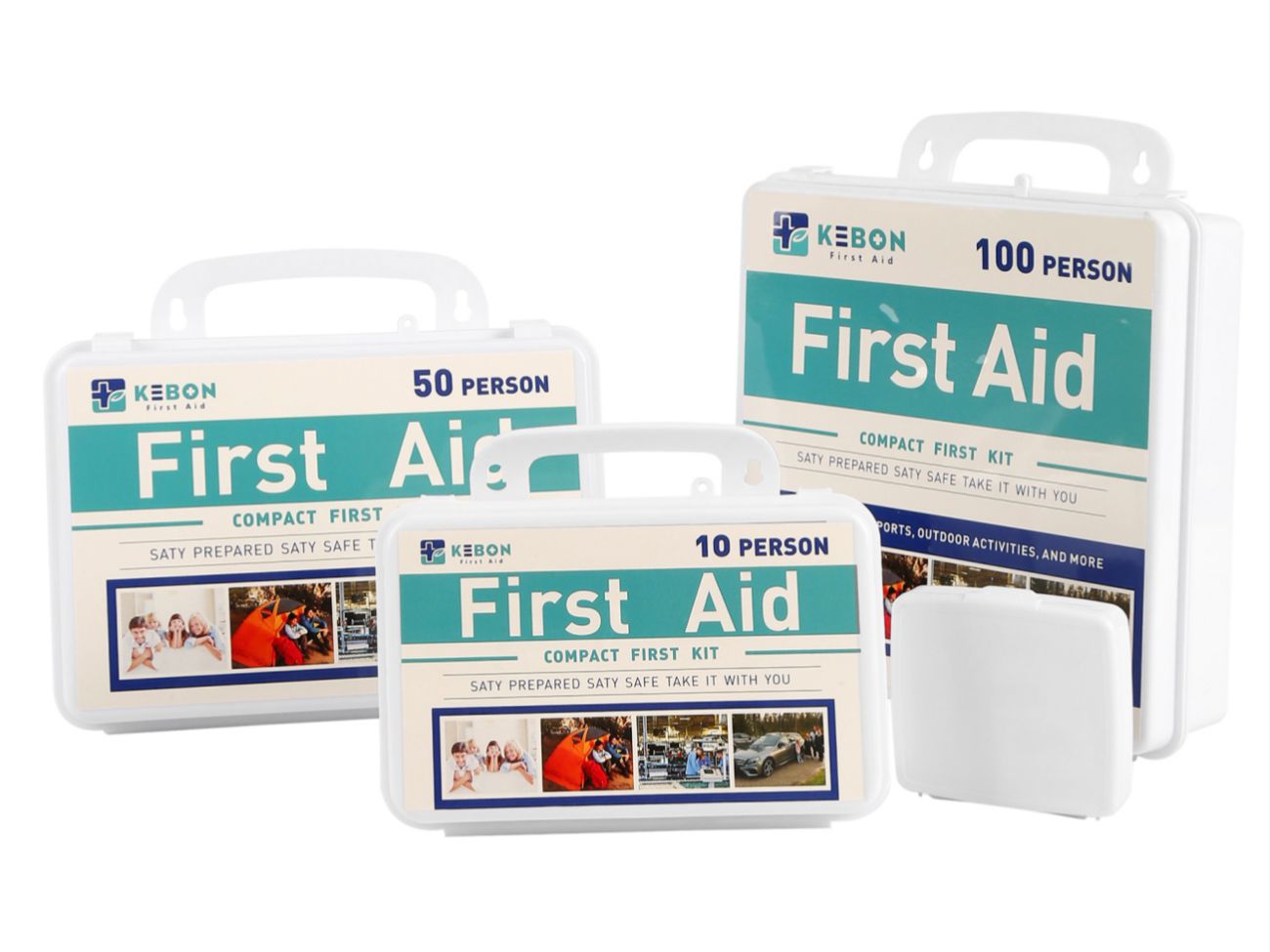
Designing a first aid kit that truly serves its purpose involves more than just tossing in bandages and antiseptics. It starts with understanding the specific risks and activities of the intended users—whether it's for a busy office, a construction site, or a hiking trip. Tailoring the contents to likely injuries, such as including burn gel for kitchens or splints for outdoor adventures, ensures the kit is practical when emergencies strike. Don't forget to factor in environmental factors like moisture resistance or portability, which can make a huge difference in real-world use.
Another critical aspect is organization and accessibility. A well-designed kit should have clear compartments or color-coded sections so that items can be found quickly under stress. Imagine fumbling through a jumbled mess during a panic—structured layouts with labeled pouches minimize confusion. Consider adding a quick-reference guide with simple instructions, as even basic steps like applying pressure or checking for allergies can be lifesaving. It's about making the kit intuitive for anyone, regardless of their training level.
Lastly, regular maintenance is often overlooked but essential for effectiveness. Kits should be easy to inspect and restock, with expiration dates prominently marked to prevent outdated supplies. Opt for durable materials that withstand wear and tear, and think about scalability—maybe a modular design that allows adding specialized items as needs evolve. By focusing on these thoughtful details, a first aid kit becomes more than just a box of supplies; it transforms into a reliable tool that empowers people to handle emergencies confidently and efficiently.
Material Selection and Durability in Emergency Products
When crafting emergency gear, the materials chosen aren't just about ticking boxes—they fundamentally shape how well a product can withstand real-world chaos. Think about a survival knife: opting for high-carbon steel over cheaper alternatives means it holds an edge longer during intense use, resisting corrosion from exposure to the elements. This attention to detail ensures that when every second counts, tools don't fail due to material fatigue or environmental stressors, like moisture or extreme temperatures. It's about picking substances that enhance reliability, not just meeting basic standards.
Durability in these products goes beyond mere toughness; it involves designing with foresight for unpredictable scenarios. For instance, emergency shelters made from ripstop nylon with reinforced seams can endure harsh winds and abrasion, while still being lightweight for quick deployment. Manufacturers often test materials under simulated disaster conditions—like repeated stress tests or UV exposure—to mimic years of wear in a short time. This proactive approach helps prevent catastrophic failures during actual emergencies, ensuring gear remains functional when lives are on the line.
Innovation in material science continuously pushes the boundaries, blending traditional resilience with modern advancements. Consider how composite materials or treated fabrics are now used in first-aid kits to resist mold and chemicals, extending shelf life without adding bulk. By focusing on specific needs, such as flexibility in medical supplies or impact resistance in communication devices, these choices create products that not only survive but thrive under pressure, making them indispensable in crisis management.
Customization Options to Meet Diverse Market Needs
In today's fast-paced global economy, businesses can't afford a one-size-fits-all approach if they aim to succeed across varied markets. That's why our customization options aren't just an add-on—they're a core strategy to align with local preferences and regulations. Whether it's adapting product features for different climates or tweaking services to match cultural expectations, these tailored solutions ensure your offerings resonate deeply with each unique audience, turning potential customers into loyal advocates.
We've designed our customization framework to be highly flexible, moving beyond basic color or size changes to include modular components and configurable software integrations. This lets clients mix and match elements like user interfaces, data analytics tools, or sustainability features based on specific market demands. For instance, in regions where digital literacy varies, we offer simpler, intuitive versions alongside advanced setups, ensuring accessibility without compromising on innovation. It's about giving you the reins to craft something that feels local yet operates globally.
Our approach doesn't stop at initial setup—it evolves through ongoing feedback loops with customers and market analysis. We actively collaborate to refine these options, ensuring they stay relevant as trends shift or new needs emerge. This dynamic process means you're not just meeting diverse market needs today; you're building a resilient, adaptable brand that can pivot quickly, staying ahead in competitive landscapes where personalization often makes the difference between blending in and standing out.
Streamlining Production Processes for Quality Assurance
Streamlining production processes for quality assurance is more than just a procedural tweak; it's a strategic move that transforms how businesses approach manufacturing. By integrating lean methodologies and automation technologies, companies can significantly reduce waste and optimize resource use, ensuring that every step in the production chain contributes directly to higher standards. This focus on efficiency not only cuts costs but also minimizes human error, creating a more reliable foundation for delivering consistent, top-notch products. As industries face increasing competition, those who master this streamlining often find themselves ahead in both quality and innovation.
A key aspect of streamlining lies in the real-time monitoring and data analytics embedded within production systems. Instead of relying on post-production inspections, modern quality assurance leverages sensors and IoT devices to track performance metrics as goods are being made. This proactive approach allows for immediate adjustments if deviations occur, preventing defects from escalating and reducing the need for costly rework. By catching issues early, businesses can maintain a smoother workflow and uphold their reputation for excellence without sacrificing speed or throughput.
To stand out in today's market, companies are moving beyond generic quality checks to customized solutions tailored to their specific processes. This might involve cross-functional teams collaborating to identify bottlenecks or adopting agile frameworks that adapt quickly to changes in product design. By fostering a culture of continuous improvement, organizations not only enhance their production lines but also empower employees to contribute ideas that refine quality outcomes. Ultimately, streamlining processes isn't just about following best practices; it's about building a resilient system that evolves with customer demands and technological advances.
Innovative Packaging Solutions for Enhanced Usability
Imagine a world where unwrapping a product feels effortless and intuitive, rather than a frustrating battle against plastic and tape. Innovative packaging designs are revolutionizing this experience by integrating user-centric features directly into their structures. For example, some brands are now incorporating easy-tear strips, resealable closures, or ergonomic grips that make handling smoother from the first touch to daily use. These enhancements not only streamline the process but also cater to diverse consumer needs, such as accessibility for the elderly or those with limited dexterity, turning mundane tasks into moments of delight and practicality.
Beyond mere functionality, forward-thinking companies are merging sustainability with usability in ways that set them apart. Biodegradable materials and reusable packaging systems, like refillable containers or modular designs, empower users to reduce waste while enjoying long-term convenience. This approach not only benefits the environment but also fosters brand loyalty, as customers appreciate the thoughtful balance between eco-friendliness and ease of use, creating a lasting impression that transcends typical market trends.
To truly stand out, some innovators are weaving smart technology into packaging, offering interactive elements that enhance usability beyond the physical realm. QR codes or NFC tags can provide instant access to usage guides, recycling instructions, or personalized content, making the product journey more engaging and informative. By blending tangible improvements with digital integration, these solutions elevate the overall user experience, ensuring that packaging is not just a container but a vital part of the product's story, uniquely tailored to meet modern expectations.
Ethical Sourcing and Sustainability in First Aid Manufacturing
First aid manufacturing has traditionally focused on effectiveness and accessibility, but in recent years, ethical sourcing and sustainability have emerged as critical pillars reshaping the industry. Companies are increasingly scrutinizing their supply chains to ensure materials like bandages, gauze, and antiseptics come from suppliers that uphold fair labor practices and environmental standards. This shift isn't just about corporate responsibility; it reflects a growing consumer demand for products that align with personal values, driving manufacturers to adopt transparent sourcing practices that reduce negative impacts on communities and ecosystems.
Sustainability in first aid manufacturing extends beyond sourcing to include eco-friendly production methods and packaging innovations. For instance, some brands are replacing traditional plastic components with biodegradable or recycled materials, significantly cutting down on waste sent to landfills. Others are implementing energy-efficient manufacturing processes and reducing water usage, which not only lessens environmental footprints but can also lower operational costs over time. These efforts contribute to a circular economy model, where products are designed for durability, reuse, or safe disposal, ensuring that life-saving kits don't compromise the planet's health.
Challenges remain, such as balancing cost pressures with ethical commitments and navigating complex global supply networks, but forward-thinking manufacturers are turning these obstacles into opportunities. By partnering with certified suppliers and investing in renewable resources, they're building resilience and fostering trust among users. Ultimately, integrating ethics and sustainability into first aid production isn't just a trend—it's a transformative approach that enhances product integrity, supports long-term environmental goals, and meets the evolving expectations of conscious consumers worldwide.
FAQ
It dives deep into customization strategies, highlighting how to integrate advanced features like smart sensors and eco-materials while maintaining cost efficiency, setting it apart from generic industry handbooks.
By offering practical tips on vetting suppliers, managing seasonal fluctuations, and incorporating local regulations, it helps manufacturers avoid pitfalls that often disrupt production timelines.
Yes, it includes case studies and checklists tailored to high-risk environments, ensuring compliance with OSHA standards and enhancing user safety through scenario-based planning.
It explores modular designs, waterproof coatings, and compact layouts that improve durability and portability, backed by user feedback to ensure practicality in real emergencies.
Through insights on emerging technologies like IoT integration and sustainability demands, it encourages proactive adaptation rather than reactive changes, fostering long-term competitiveness.
Absolutely, it breaks down complex regulations across regions like the EU and US, providing step-by-step guidance on certifications like CE marking to streamline international exports.
It emphasizes clear labeling, intuitive instructions, and training resources that educate end-users, turning kits from passive supplies into active safety tools.
By detailing cost-saving techniques in bulk procurement and lean manufacturing, it balances affordability with reliability, ensuring kits meet both budget and safety standards.
Conclusion
A comprehensive OEM guide for first aid box manufacturers emphasizes key design considerations to create effective emergency kits that balance functionality with user-friendliness. Material selection and durability are crucial, ensuring products withstand harsh conditions while maintaining integrity. Customization options allow adaptation to diverse market needs, from industrial settings to outdoor adventures, enhancing relevance. Streamlining production processes guarantees quality assurance, minimizing defects and ensuring consistent output. This holistic approach integrates practical design with robust materials, fostering reliability in critical situations.
Innovative packaging solutions improve usability, making kits intuitive and accessible during emergencies. Ethical sourcing and sustainability practices are integrated, promoting responsible manufacturing that reduces environmental impact. By combining these elements, manufacturers can deliver standout products that prioritize safety, durability, and user experience. This guide offers essential tips to differentiate offerings in a competitive market, focusing on quality, customization, and ethical standards to build trust and meet evolving consumer demands.
Contact Us
Contact Person: Andy Yu
Email: [email protected]
Tel/WhatsApp: +86 19858933676
Website: https://www.kebonfirstaid.com