

Finding the Right UAV Simulation Software Supplier for Your Project
2026-08-08
Selecting the right UAV simulation software can make or break your project—whether you're testing flight dynamics, training pilots, or validating sensor payloads. With a growing number of suppliers claiming to offer the ideal solution, how do you cut through the noise? The answer often lies in matching your specific needs with a platform that balances realism, flexibility, and ease of integration. That’s where SRIZFLY enters the conversation, bringing a fresh perspective to simulation technology that’s purpose-built for modern drone development. In this post, we’ll explore what to look for and how to find a supplier that truly aligns with your vision.
Clarifying What Your Simulation Actually Has to Achieve
Before diving into the technical details, take a step back and ask what the core purpose of the simulation really is. Is it meant to train operators on emergency protocols, test a new product design under stress, or explore hypothetical scenarios that are too expensive to run in real life? Getting this definition right from the start shapes everything from the level of detail you need to the metrics that will define success. Without this clarity, it’s easy to build a highly accurate model that completely misses the mark because it’s solving the wrong problem.
One practical approach is to write down a short statement that captures the essential outcome, then pressure-test it with stakeholders. For instance, instead of saying “simulate warehouse operations,” you might land on “determine the minimum staffing level that maintains order throughput during peak hours with zero safety incidents.” This sharper focus forces the team to prioritize the elements that truly matter and leave out noise. It also makes validation easier, because you know exactly which real-world conditions the simulation must reproduce to be considered credible.
Finally, remember that a simulation doesn’t exist in a vacuum—it’s often one piece of a larger decision-making process. Link what the simulation achieves directly to a concrete action or insight someone will take. If the output won’t influence a design change, a budget allocation, or a procedure update, then its purpose is fuzzy. Keeping that connection alive from the start turns the simulation from an abstract exercise into a tool that drives real impact.
Sizing Up Technical Chops Beyond the Brochure
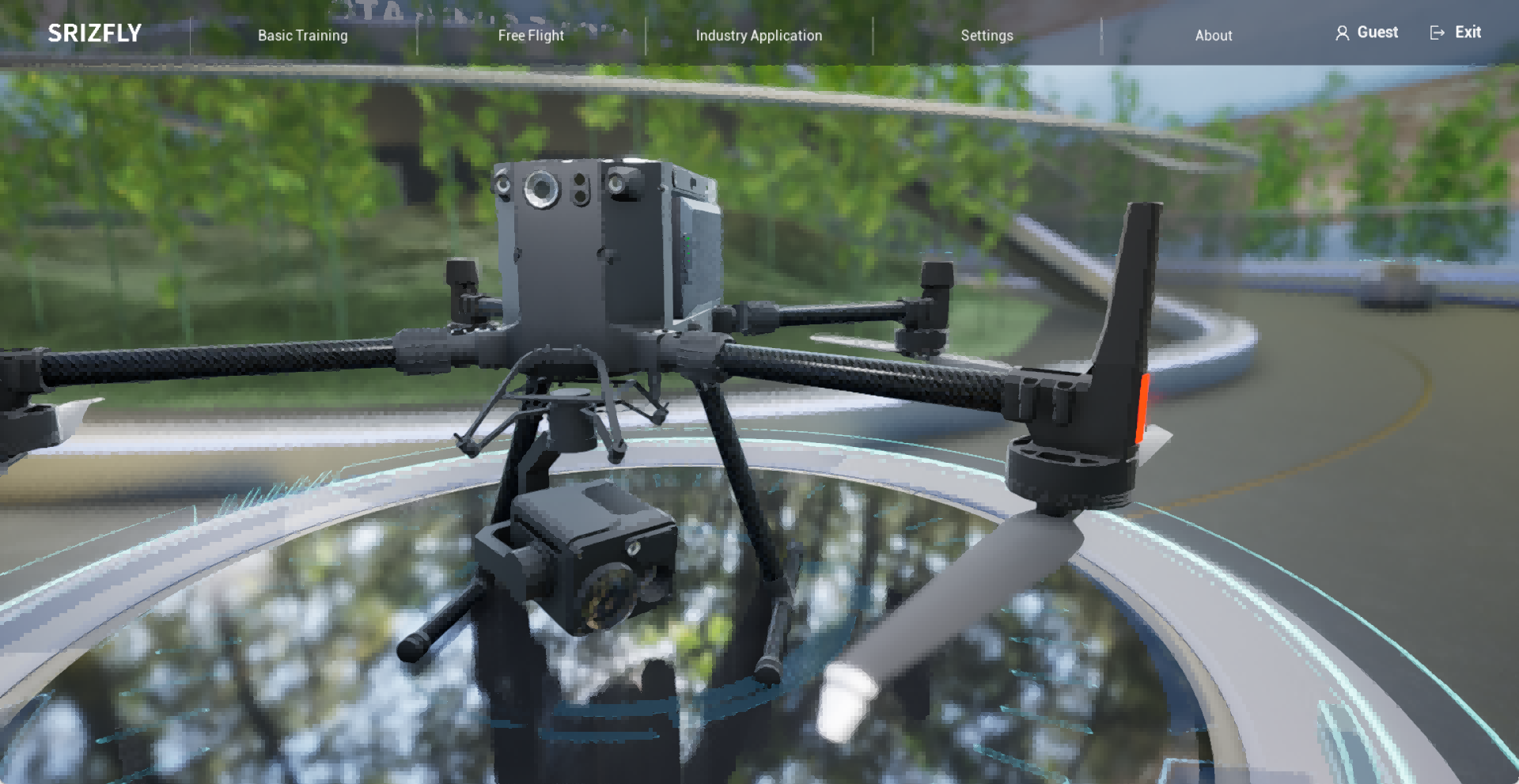
Glossy pamphlets and sleek websites paint a rosy picture, but real technical muscle reveals itself when you dig into the specifics. Start by examining how a company tackles edge cases and failure scenarios—those messy realities that rarely make it into the highlight reel. Ask for walkthroughs of past system outages or product recalls, and pay close attention to how the team diagnosed root causes. Their answers will quickly separate scripted talking points from genuine engineering depth.
Another telling exercise is to hand over a sample dataset or a stubborn integration challenge and watch how they approach it in real time. Do they lean on off-the-shelf tools without understanding the trade-offs, or can they articulate why a custom-built solution fits better? Notice whether questions lead to nuanced discussions about latency, throughput, or data consistency, rather than deflections toward marketing jargon. This live problem-solving window often exposes the gap between theoretical knowledge and practical, battle-hardened expertise.
Finally, look beyond the core team to the broader ecosystem they rely on. What open-source projects do they maintain or contribute to? How do they handle dependency updates and security patches? A healthy technical culture leaves public footprints—code reviews, release notes, and community interactions that reveal coding standards, communication style, and long-term maintainability. These artifacts rarely lie, offering a candid audit that no brochure can match.
The Silent Dealbreaker: Ongoing Support Culture
When evaluating a product or service, most buyers focus on features, pricing, and immediate onboarding. Yet there's a quieter factor that often determines long-term satisfaction: the culture of ongoing support. It's not just about having a help desk or a chatbot—it's about whether the company genuinely prioritizes your success after the contract is signed. Teams that treat support as a cost center often route inquiries through impersonal portals, leaving users to fend for themselves when issues arise. In contrast, companies that view support as a relationship-building engine proactively share updates, anticipate friction points, and make it easy to reach a human who understands your context.
The difference becomes painfully clear when something breaks. A vendor with a strong support culture acknowledges problems quickly, communicates transparently, and works alongside you to resolve them, often exceeding SLAs without being asked. Meanwhile, those with a weak support culture deflect blame, hide behind ticket numbers, and force you to re-explain your situation to four different agents. Over time, this erodes trust and leads to a form of silent attrition—users don't necessarily complain loudly; they simply look for alternatives and leave when the opportunity arises. It’s a dealbreaker that rarely appears on a feature comparison chart but influences renewal decisions more than any flashy demo.
Building a genuine support culture isn't about scripts or metrics alone. It stems from hiring empathetic people, giving them autonomy to solve problems, and recognizing that every support interaction is a chance to strengthen loyalty. When a company listens closely, adapts based on feedback, and treats your goals as their own, support transforms from a reactive function into a strategic advantage. The real question isn’t whether support is available—it’s whether the team behind it cares enough to make you feel like a priority, not a ticket number.
When Your Software Needs to Play Nice with Others
Integration rarely goes as smoothly as the demos suggest. One system expects timestamps in UTC, another sends them with a timezone offset but neglects to tell you which one. An API that worked flawlessly during testing suddenly throttles you at 2 a.m. because your retry logic multiplied into a quiet storm of requests. Playing nice isn’t just about following the spec—it’s about developing a sixth sense for the silent expectations lurking behind every endpoint.
Data formats are the obvious battleground, but the subtler friction lives in assumptions about state. One component assumes it can hold a connection open indefinitely, while its partner was designed to drop idle sessions without warning. You end up layering on health checks, circuit breakers, and backoff strategies not because they’re clever, but because the alternative is waking up to a cascade of failures that started with a single dropped packet. The real art lies in making your software tolerant—almost forgiving—without turning it into a doormat that accepts broken payloads without complaint.
Then there’s the versioning dance. You document every field meticulously, yet some integrator will depend on a bug you fixed six months ago. Breaking changes become diplomatic negotiations. Gradually, you learn that “playing nice” means communicating intent clearly, guarding your own boundaries, and accepting that no matter how clean your interface, someone will misuse it in a way you never imagined. The best you can do is design with empathy, log enough context to debug the inevitable mismatches, and resist the urge to say “it works on my machine.”
Counting the Real Cost of ‘Cheap’ Solutions
A low upfront price can be seductive, but the hidden expenses often reveal themselves slowly. Maintenance fees, unexpected downtime, and the need for premature replacements can quietly inflate the initial bargain into a much larger bill. That budget-friendly software licence might exclude essential upgrades, or the cheap hardware may require constant patches. When the real costs surface months or years later, they frequently outweigh any short-term savings, leaving you with a solution that costs more to sustain than a well-built alternative would have from day one.
Consider the domino effect: a tool that frequently fails doesn’t just cost you repair time—it stalls dependent projects, frustrates clients, and crowds your schedule with firefighting instead of growth. Your team’s morale dips under the weight of unreliable systems, and reputational damage can emerge when promises slip due to avoidable technical hiccups. Cheap solutions often force trade-offs in quality or support, and those trade-offs compound, consuming resources you hadn’t budgeted for. The true price isn’t on the invoice; it’s in the opportunities lost while you wrestle with a bargain that won’t stay fixed.
Separating Battle-Tested Vendors from the Rest
In an industry awash with newcomers and flashy promises, the vendors that truly stand out are those forged in the crucible of real-world deployments. They’ve navigated the chaos of tight deadlines, shifting requirements, and unexpected technical hurdles, emerging with battle scars that translate into operational wisdom. A vendor’s track record isn’t just about case studies—it’s about the quiet, hard-won ability to anticipate failure points before they surface, to communicate transparently when things go sideways, and to maintain stability even as the ground shifts beneath them. These teams don’t just deliver a product; they bring a level of calm competence that only comes from having been tested repeatedly under pressure.
How do you spot this resilience? Look beyond polished demos and scrutinize the moments when things didn’t go according to plan. Seasoned vendors talk openly about past mistakes and what they learned; they have concrete processes for post-mortems and continuous improvement baked into their culture. They ask uncomfortable questions about your worst-case scenarios because they’ve lived through their own. In contrast, less experienced teams tend to overpromise and rely on ideal-path thinking, glossing over the messy reality of integration and long-term maintenance. The true differentiators are reliability, adaptability, and a refusal to cut corners—qualities that only time and turbulence can cultivate.
Ultimately, separating the battle-tested from the rest comes down to evidence of sustained grit. It’s in the depth of their support runbooks, the maturity of their incident response, and the authenticity of their customer relationships. These vendors don’t need flashy marketing because their reputations are built on a simple foundation: when the pressure was on, they delivered. And that’s the one thing no amount of venture capital or smooth talk can replicate.
FAQ
Start by looking at how well they understand your specific use case—whether it's agricultural mapping, infrastructure inspection, or defense. A supplier who asks detailed questions about your drone platforms and operational environment is already ahead. Also, check if the simulation models real-world physics accurately enough to avoid surprises during actual flights.
Ask for case studies or references from projects similar to yours. Don't just read marketing brochures—speak directly with their past clients if possible. Additionally, request a trial or proof-of-concept where you can stress-test the simulator with your typical mission parameters.
Be wary of suppliers who promise everything without demonstrating deep specialization. If they can't clearly explain how their software handles unique UAV dynamics like multirotor instability or fixed-wing glide paths, that's a concern. Also, watch out for rigid licensing models that lock you into long-term contracts without performance guarantees.
It's critical, especially if your team isn't already proficient with simulation tools. The best suppliers offer tailored onboarding, not just generic video tutorials. You'll want to know their response times for technical issues and whether they provide updates that keep pace with evolving UAV regulations and hardware.
Absolutely. Off-the-shelf solutions rarely fit every project perfectly. You need the ability to tweak environmental factors, sensor models, and failure scenarios. A supplier willing to co-develop custom plugins often indicates a partnership mindset rather than a transactional one.
Go beyond the standard features slide. Ask them to simulate an edge case from your own project right then and there. Question how they validate their flight dynamics against real-world telemetry. Also, inquire about their roadmap—are they actively investing in the technology or just maintaining legacy code?
Look into their financial stability and how long they've been in the UAV space. A startup might offer innovation, but a decade-old company could bring stability. Check if they contribute to open-source projects or industry standards—that often signals commitment beyond short-term profit. Also, examine their track record for delivering promised updates on time.
Yes, depending on your sector. For defense applications, look for compliance with STANAG or similar frameworks. In civilian aviation, check if they align with EASA or FAA guidance for simulation fidelity. Even in commercial domains, adherence to standards like ISO 21384 for UAS can indicate a serious supplier.
Conclusion
Selecting the right UAV simulation software provider means looking far beyond glossy feature lists and aggressively priced licenses. The initial step is brutal honesty about what your project actually needs to accomplish—whether it’s high-fidelity flight dynamics for certification, swarm algorithms, or hardware-in-the-loop integration with custom payloads. Without that clarity, even the most impressive demo can lead to a dead end. The real engineering muscle of a supplier often lives in what isn’t shown on the brochure: their ability to model edge-case physics, handle real-time sensor fusion, or let you swap out their default controller for your own without breaking the simulation. Dig into their architecture, ask for unedited test logs, and pay attention to how eagerly they discuss failure modes—not just success stories. A vendor’s technical depth becomes obvious when you push them beyond scripted scenarios.
Just as critical is the culture of support that kicks in after the sale. Many deals have soured because excellent software was paired with ghostly aftercare—slow bug fixes, hidden API costs, or a forum-only support model that leaves you stranded mid-integration. When your simulation stack needs to talk to external tools like PX4, ROS 2, or custom GCS platforms, the seams between systems become the real battlefield; any hesitation in the vendor’s interoperability story is a serious warning sign. And while budgets always matter, the true cost of a ‘cheap’ solution shows up in pirated developer hours, missed R&D windows, and the quiet attrition of talent who grow tired of fighting immature tools. The suppliers worth trusting are the ones with visible, sustained deployment in programs that look like yours—not just logos on a website, but references you can call who describe the warts as honestly as the wins. That level of transparency is what separates a supplier who can weather your project’s unknowns from one who’ll evaporate at the first rough patch.
Contact Us
Contact Person: Niles Liu
Email: [email protected]
Tel/WhatsApp: 8619945009803
Website: https://srizfly.com/