

Export Non-Woven Tote Bags the Right Way for Lasting Success
2026-11-16
Exporting non-woven tote bags can feel like a gamble if you rely on guesswork. One shipment might pass inspection, the next gets flagged for inconsistent stitching or missing documentation. The truth is, lasting export success comes from controlling the details most suppliers overlook. We'll show you how to avoid the common missteps that erode margins and buyer trust. With Top Packaging's export-focused approach, you can turn a simple tote into a reliable revenue stream across borders. Let's get into the practical steps that separate thriving exporters from one-time shippers.
What Buyers in Different Regions Actually Want From a Tote
A tote that works in Tokyo often misses the mark in Berlin. Japanese buyers tend to prioritize compact structure and quiet details—a secure zip top, an interior pocket for a transit card, and a fabric that won't scuff against a packed train. The silhouette stays tidy even when half-empty, and the handles sit comfortably on the shoulder without slipping under a wool coat.
Across northern Europe, the same bag gets judged by weather resistance and carrying capacity. Shoppers in Copenhagen or Amsterdam expect a coated canvas or waxed finish that shrugs off drizzle, plus enough width to hold a laptop, a market haul, and an extra scarf. The base should be reinforced enough to stand on wet pavement without soaking through, yet the overall look stays muted—no loud hardware or glossy finishes.
Meanwhile, buyers in sunbelt cities like Austin or Sydney lean toward lightness and breathability. A coated cotton or recycled ripstop wins over heavy leather, and the interior can trade a zippered pocket for an easy-access slip compartment for sunglasses and a water bottle. The ideal tote here collapses flat for stashing in a car door or beach bag, and the colors tend toward faded, heat-friendly tones rather than winter blacks.
Material Choices That Keep Your Bags Looking Sharp After Shipping
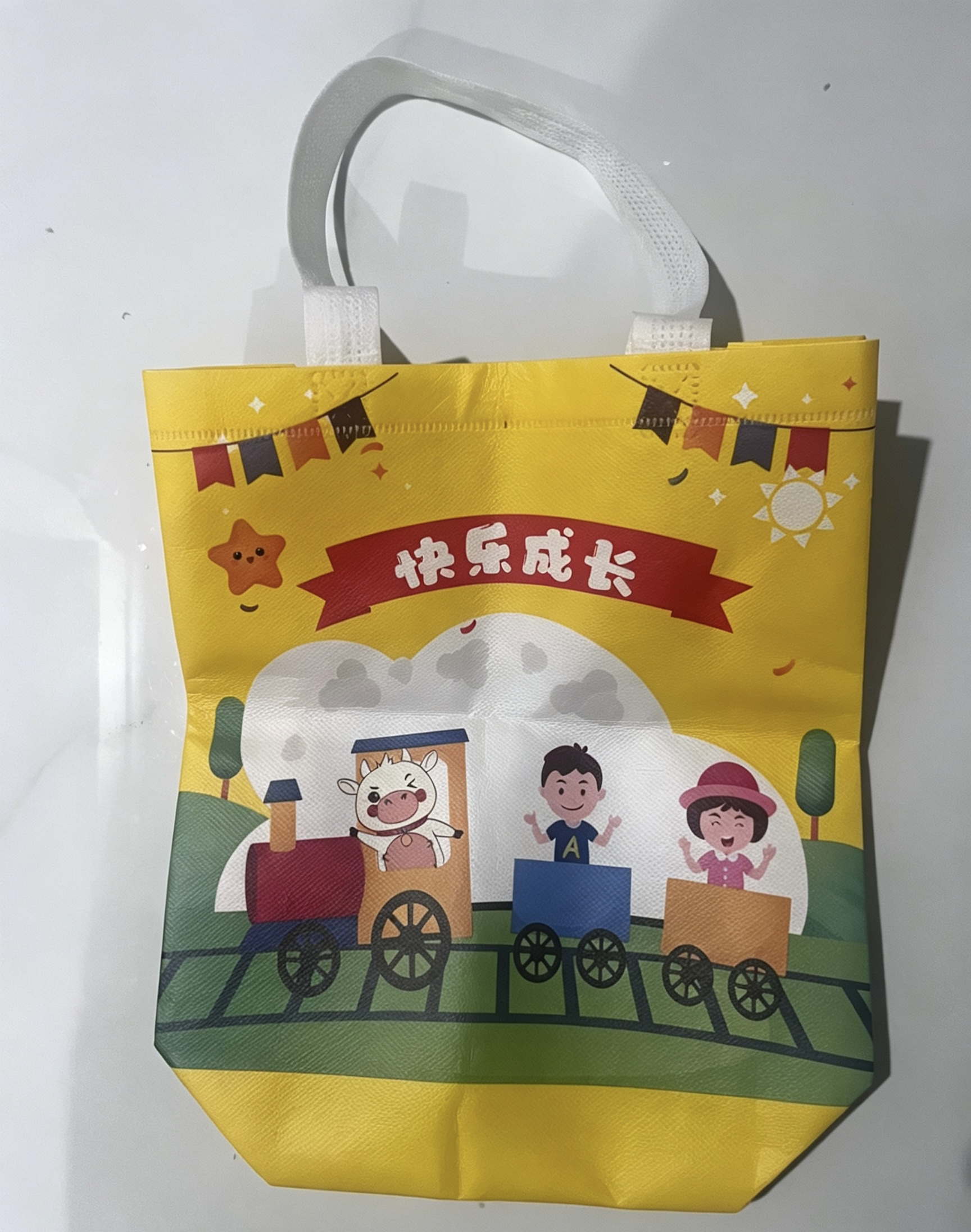
Structured fabrics like heavy canvas or coated cotton hold their silhouette far better than flimsy synthetics. When a bag gets squeezed between boxes during transit, these materials push back instead of collapsing into wrinkles. A slightly rigid weave also prevents the top edge from curling, so the opening stays neat even after days in a cramped container.
The lining matters more than most people realize. A thick, non-woven interior or a firm foam layer tucked between the outer shell and the lining acts like an internal skeleton. It stops the sides from caving in and keeps corners from getting pushed out of shape. Even simple paper stuffing at the bottom corners can make a noticeable difference in how the bag recovers once unpacked.
Surface finishes play a quiet role too. A matte wax coating or a subtle PU film gives the exterior a bit of armor against scuffs and fold lines. Unlike glossy coatings that show every crease, these subtle treatments let the bag flex slightly without leaving permanent marks. That way, the same material that protects the bag's shape also keeps it looking clean and unmarked right out of the box.
Designing Prints That Survive Customs and Still Sell
Customs holds happen for boring reasons: a missing fiber-content label, a symbol that mimics a certification mark, or ink that sets off a counterfeit scan. Designers who treat the print as a stand-alone artwork often forget that the same graphic has to pass a checkpoint before it ever reaches a rack. A quick fix is to keep mandatory text blocks—country of origin, care icons, material percentages—inside a dedicated footer strip that can be adjusted by region without redrawing the main motif. It’s not glamorous, but it stops a beautiful floral from getting sliced open for inspection.
Color and material choices matter more at the border than most studios realize. Metallic foils and certain red dyes can trigger extra screening in some ports, especially if the print sits on a substrate that feels unlike its declared composition. Build a small swatch library of inks and finishes that have already cleared your target markets, and reserve experimental treatments for products that ship with a longer lead time. Buyers won’t notice a slightly duller gold; they will notice a six-week delay.
The selling part comes down to designing the mandatory elements so they don't scream “compliance.” Instead of a stark black rectangle with legal text, weave a subtle border, use the brand’s typeface for care icons, or print the origin line as part of the selvedge detail. A print that survives customs should still look intentional on the shelf—like the label was always meant to be there, not stapled on at the last minute.
Packing Methods That Prevent Returns and Refund Requests
A surprising share of returns stem from packaging that fails during transit, not from the product itself. When items arrive crushed, torn, or exposed, buyers form an immediate negative impression and often head straight for a refund request. To prevent this, opt for rigid outer boxes with internal cushioning tailored to the item's shape. Instead of generic bubble wrap, use custom inserts made from molded pulp or corrugated cardboard that hold the product firmly in place without excessive movement. For fragile goods, consider double-boxing with a layer of shock-absorbing material between the boxes. This approach not only protects the item but also signals to the customer that care was taken before it ever reached their doorstep.
Beyond physical protection, the way you seal and label a package can quietly reduce refunds. Water-activated tape, for instance, bonds to the carton and makes tampering obvious, which deters “item not as described” claims based on opened boxes. Avoid using excessive tape or messy labels that can make the package look sloppy and encourage buyers to question quality. A clean, easy-to-open design—such as a pull tab strip or a single strip of reinforced tape—lets customers access the product without damaging it. This matters because if a buyer has to tear the box apart, they may accidentally harm the item and then blame the seller. Simple, neat closures keep both the product and your reputation intact.
Many return requests arise because buyers misunderstand what they are getting. Packaging can bridge that gap before the box is even opened. Print a brief, non-obvious checklist or a small diagram on the inner flap showing what should be inside. For apparel, attach a clear size measurement chart to the poly bag rather than hiding it in an online listing. Use color-coded stickers or simple icons to indicate care instructions or assembly steps without lengthy text. This on-package guidance reduces the “it’s not what I expected” reaction. When customers can quickly confirm they received the correct item and understand how to use or wear it, they are far less likely to initiate a refund out of confusion or frustration.
Certifications That Open Doors Instead of Adding Paperwork
Too many credentials demand a mountain of forms before you've learned anything useful. This one flips that order: you prove your skills through real tasks, not endless documentation. It's built around what you can actually do on the job, so the moment you earn it, you're ready to step into a role that used to be out of reach.
Instead of another binder to store and forget, you get a signal that hiring managers recognize. The certification is tied to current industry practice, not a stale syllabus. That means less time explaining what the certificate means and more time having conversations about the work you want to do.
Building Supplier Relationships That Withstand Delays and Price Shifts
Strong supplier relationships rarely happen by accident. They grow from consistent communication, fair expectations, and a willingness to work through problems together before they become urgent. When delays hit or prices swing, a supplier who sees you as a reliable partner is far more likely to give you honest warning, hold inventory a little longer, or flex payment terms without being asked twice.
One practical habit is to share demand forecasts early, even when they are rough. Suppliers can often absorb small disruptions if they know what is coming, but surprise orders during a shortage force them into hard choices. Another is to build in structured check-ins that are not only about orders—ask about their material lead times, freight bottlenecks, or labor constraints. That kind of listening turns a transactional relationship into something closer to an early warning system.
It also helps to formalize flexibility before you need it. Agree on how price adjustments will be communicated, which cost components are open for review, and what happens when production falls behind. Written terms matter, but they are most useful when they reflect a shared understanding rather than a list of penalties. Over time, that balance of structure and goodwill gives both sides room to adapt without burning the relationship down.
FAQ
Verify the fabric weight, stitching density, and print alignment against the buyer's spec sheet. Country-specific rules on ink chemicals and recycled content claims also need confirmation before cargo is booked.
Set aside a sealed reference sample from the pre-production run and require the factory to match it at every inspection stage. Random checks on seam strength and handle attachment during packing catch drift before it becomes a rejection.
Europe and North America still drive demand because of plastic bag bans, but buyers there expect stronger compliance paperwork. Australia, the Gulf states, and parts of Latin America are growing faster and often have fewer entrenched suppliers.
Flat packing with moisture barriers prevents creasing and mold during ocean transit. Labels need the country of origin, material composition, and any recycled content percentage placed exactly where the buyer's customs broker expects them.
Focus on low minimum order quantities and faster sampling turnaround rather than trying to beat factory giants on price. A reputation for honest communication about delays or material substitutions often wins more repeat business than a slightly lower quote.
Using the wrong fabric GSM for the promised load capacity, ignoring destination humidity in packaging choices, and quoting without confirming the printing method all cause costly disputes. Many exporters also skip the step of testing handle strength after lamination, which leads to field failures.
Break the quote into fabric, printing, handles, packing, and freight instead of one lump sum. That makes it easier to adjust when material costs shift and shows buyers exactly what they are paying for, reducing haggling over the total.
Send a short follow-up two months after delivery asking how the bags performed in actual use, then share that feedback with your production team. Clients remember suppliers who fix small issues before the next order, and they tend to consolidate more volume with them over time.
Conclusion
Exporting non-woven tote bags profitably means understanding that a one-size-fits-all approach rarely lasts. Buyers in Western Europe often ask for higher GSM fabric and reinforced handles because their customers use these bags for heavy grocery runs, while distributors in parts of Asia may prioritize lighter, foldable designs that take up less shelf space. I've found that skipping regional research leads to mismatched stock and slow reorders. Material selection ties directly to this: using a minimum 80 GSM with tight stitching and a subtle lamination keeps bags crisp after ocean freight, not crumpled and mildewed. Print choices matter too. A design that looks great in a showroom can fade or crack during long transit, so I stick to water-based inks and avoid overly fine details that blur at customs inspection. Simple, bold graphics with safe color separations tend to pass through without extra scrutiny and still catch attention on a retail rack.
No matter how good the product is, poor packing erases the margin. Flat-packing with a moisture barrier inside each carton, plus corner reinforcement, cuts down on wrinkled stock and return requests from buyers who expect store-ready items. I also recommend limiting carton weight to what one person can lift easily—this reduces freight damage and unloading delays. On the paperwork side, chase certifications that actually matter to your target market, such as REACH compliance for EU retail chains or a supplier audit report for US importers, rather than stacking meaningless attestations. The real differentiator, though, is the supplier relationship. When a factory knows your quality tolerance and you pay on time, they will hold your order slot during raw material price spikes or shipping bottlenecks. That trust is what turns one container into a repeat program, and repeat programs are the only lasting success in this business.
Contact Us
Contact Person: Shelly
Email: [email protected]
Tel/WhatsApp: 86-577-64286522
Website: https://www.topmovingpad.com/