
Dongba Culture Immersion: Your Ultimate Lijiang Cultural Experience
2026-08-31
Step into the living heart of Lijiang’s Dongba heritage at Jade Water Village, where ancient Naxi rituals, pictographs, and mountain life unfold not behind glass, but in daily practice. Forget the checklist tour—here, culture isn’t staged; it’s shared. Ready to trade postcard views for a genuine connection? Keep reading to discover how one village holds the key to understanding a civilization that has thrived for centuries.
Meet the Dongba Keepers of an Ancient Script
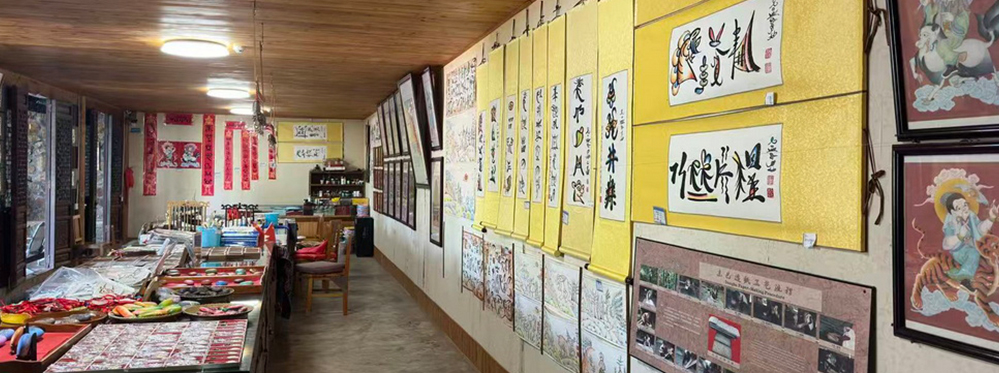
In the foothills of the Jade Dragon Snow Mountain, a handful of Naxi ritual specialists still wake before dawn to practice a script that most of the world has never seen. These are the Dongba, guardians of a pictographic writing system that predates many of China's better-known scripts. Unlike a simple alphabet, each character can be a stylized drawing of a bird, a tree, or a dancing figure, yet combined they record epic poems, medicinal recipes, and genealogies. An apprentice often spends a decade or more memorizing thousands of these glyphs, learning not just their shapes but the correct chants and rituals that give them power.
The work of a Dongba keeper has never been easy, but today it carries an unusual weight. Many young Naxi leave their mountain villages for cities, and the number of fluent readers has dwindled to a small circle of elders. Some keepers respond by opening their courtyard homes to curious travelers, demonstrating how bamboo pens glide across handmade paper. Others sit with ethnographers late into the night, dictating stories that have never been written down anywhere else. The challenge is not a lack of interest, but a race against time—each passing year claims another voice that cannot simply be replaced.
Yet there are signs that the script is finding new life. In Lijiang's old town, a few younger Naxi have started using Dongba characters in murals, jewelry, and even phone stickers, sparking conversations their grandparents never expected. A keeper might now find himself teaching a design student one day and blessing a newborn the next. The tools may change—some glyphs are digitized, some lessons happen over video calls—but the core mission remains the same: to keep a way of seeing the world alive through ink and memory.
The Courtyard Life of a Naxi Family
In the half-light of a Lijiang morning, the courtyard of a Naxi home wakes before its people. Stone paving still holds the night's chill, while pots of orchids and osmanthus catch the first warmth along the eastern wall. Water runs through a small channel at the courtyard's edge, diverted from the mountain streams that crisscross the old town, and the sound of it sets the pace for the day.
Three generations often share the same roof, with grandparents tending the courtyard as a living extension of the house. They sweep the flagstones with short, deliberate strokes, feed the caged thrushes, and trim the potted pines that stand in each corner. The courtyard is where meals are prepared and gossip is exchanged, where a daughter practices her Naxi folk songs before supper and an uncle repairs a bamboo carrying pole under the shade of a crabapple tree.
By late afternoon, sunlight slants across the carved wooden screens of the main hall, and the family gathers to shell beans or sort wild mushrooms on the steps. Evenings often end with tea poured from a black clay pot and conversation that drifts from crop prices to stories of the Dongba script, whose pictographs still decorate the lintels. In this enclosed square of sky, the Naxi family keeps a rhythm that has outlasted dynasties, rooted in stone, water, and the small rituals of tending a shared space.
Mountain Rituals You Won’t See in Guidebooks
In certain alpine villages, the first person to reach a ridge at dawn may turn three times in silence before stepping onto the summit rocks. Local herders say the spin keeps your shadow from lingering on the peak, which they believe invites early frost. You won't find this in a trail app, and if you ask directly, most guides will shrug it off as old nonsense—but they'll still pause a beat longer than usual at that last switchback.
Farther south, there's a quieter custom tied to water. Before crossing a high glacial stream, some mountaineers tuck a single blade of grass under a stone on the near bank. The gesture isn't for luck; it's a promise to return the same way if the weather turns. It goes unspoken, passed from one climbing partner to another only when the rope comes out.
Craft Your Own Dongba Paper Amulet
Before you choose a symbol, run your fingers across the rough edges of the mulberry paper. This isn't the smooth, bright white sheet from an office ream—Dongba amulets demand a surface with memory, fibers visible and slightly uneven. Lay the paper flat and take a breath; the pace here is slow, almost meditative. You'll need a small dish of lampblack ink or crushed azurite mixed with a little water, and a brush with a tip that springs back when you test it. Keep a bowl of clean water nearby to rinse between strokes.
Pick one or two Dongba pictographs rather than cramming the page. The character for protection looks like a roof sheltering a small figure, while the symbol for long life resembles a pine branch bending under snow. Dip only the first third of the brush into the pigment, then drag it across the paper in one confident motion—hesitation creates blurry, weak lines. If you're new to this, practice on a scrap piece first. Many amulet makers also carve a simple potato stamp for repeated motifs; the slight irregularities of a hand-cut stamp actually give the charm more personality than a perfectly printed icon.
Once the ink is dry, fold the paper three times toward you, pressing each crease with a bone folder or the back of a spoon. Thread a red cotton string through a small hole punched near the top, and tie a double knot while you hold a specific intention in mind—protection for a home, safe travels, or a clear mind. Tuck the finished amulet into a cloth pouch or hang it where you'll see it each morning. It won't work like a machine; it works like a quiet reminder that you took the time to make something by hand.
Walk Villages Where Time Moves Slowly
Morning light filters through old stone archways as you wander past doorways that have greeted travelers for centuries. The only schedule here is set by the widening shadows and the occasional clatter of a bicycle over cobblestones. You might pause by a communal well where residents still gather to fill copper pitchers, exchanging news in unhurried syllables.
Further along the lane, a baker slides loaves from a wood-fired oven, the scent curling into the narrow street. There is no rush to reach the next landmark because the village itself refuses to be summarized in a checklist. Instead, you learn its rhythm by sitting on a sun-warmed bench, watching cats nap in window boxes, and letting the afternoon dissolve into the slow chime of a distant bell tower.
Savor Lijiang’s Hidden Food and Music Scene
Slip down any narrow lane branching off Square Street and the tourist chatter fades into the clatter of cleavers and hiss of hot oil. A Naxi grandmother flips thick baba bread over charcoal, stuffing it with crumbled goat cheese and a smear of wild honey; a few doors down, a pot of yak-meat claypot noodles bubbles under a wooden counter. This is the Lijiang most visitors miss, where every meal comes with a story and a cup of buckwheat tea you didn't order but won't forget.
After dark, the music doesn't shout from nightclub speakers—it seeps through latticed windows. In a small courtyard near the Mu Mansion, retired farmers and carpenters gather with hand-carved sugdu and bamboo flutes, playing Naxi ancient music the way their grandfathers did: unhurried, slightly off-key, and completely magnetic. Around the corner, a younger crowd packs a repurposed barn to hear a local band mesh Dongba chanting with reggae bass. The old and the new share the same damp stone walls.
To find these places, ignore the laminated menus in English and follow the smell of roasted barley flour up the hill. Duck under a half-open door, nod at the cook, and point to whatever is simmering. Ask a tea seller about 'gugo'—a festival dish of cured pork and dried mountain mushrooms—and you might get invited to a back table. Music usually starts when the lanterns are lit, around nine, and the best seats are tatami mats near the fire.
FAQ
That it's not a museum piece. Dongba is the living spiritual and script tradition of the Naxi people, still practiced by priests in villages around Lijiang. The pictographic script isn't just decoration; it encodes rituals, myths, and moral codes that continue to shape daily life.
Baisha and Yuhu are better starting points than the old town. In Yuhu, you can visit the former home of Joseph Rock and then meet local Naxi families who still invite dongba priests for healing or harvest ceremonies. Baisha has small cooperatives where you can observe embroidery and mural restoration while talking with residents.
Yes, but set realistic expectations. In a three-hour workshop with a practicing dongba or a trained Naxi educator, you can learn to recognize and brush 15 to 20 common symbols—like sun, moon, mountain, water, and the character for 'home.' You'll also learn that many pictographs combine to form compound ideas, which is where the script gets playful.
Don't photograph the priest without asking, and never step over the ritual threshold or touch the offering tablets. If you're invited to sit, keep your feet pointed away from the shrine. It's also respectful to accept tea or barley wine when offered, even if only a sip.
Ask your host or guide to introduce you to a family preparing for a real occasion—a house blessing, a baby naming, or a seasonal rite. Offer to help with simple tasks like carrying water, arranging pine branches, or grinding incense. Participation through small acts of service is more meaningful than watching a staged show.
Many ancient Naxi melodies, like the Baisha Fine Music, trace their structure to chanted Dongba scriptures. The slow, repetitive cadence mirrors the rhythm of ritual recitation. Dance is more directly connected: some rounds imitate cranes and tigers from creation myths, so watching dancers closely is like reading a living pictograph.
Look for handmade Dongba paper, which is crafted from the bark of the wikstroemia plant, or a small scroll brushed by a practicing priest. Avoid plastic keychains and machine-printed 'Dongba script' mugs. A better option is a hand-bound notebook from a Baisha cooperative, often stamped with the maker's family mark.
Definitely. The area around Wenhai and Jade Dragon Snow Mountain has eco-lodges and Naxi farmhouses where you can spend the night, help with yak herding in the morning, and sit with a dongba in the evening for script lessons or storytelling. A two-day loop from Baisha to Wenhai and back is realistic without heavy gear.
Conclusion
The first thing you notice in Lijiang is that Dongba culture is not behind glass. It lives in the hands of elderly priests who still grind ink from pine soot and paint characters that look like birds, mountains, and smiling gods. Spend a morning in a Naxi family courtyard and you will be handed tea before you can ask for it; grandmothers shell beans while a shaman quietly recites a protection verse. Later, climb with a local guide to a ridge where village men burn juniper and leave barley offerings—no staged performance, just a ritual that has outlasted empires.
The craft is tactile: peel mulberry bark, pound it into fiber, and press a bamboo frame to form paper that will hold a hand-painted amulet for your door. Walk through stone villages where donkeys still carry baskets and old women compare embroidery under walnut trees. At night, skip the tourist strips and follow a Naxi friend to a courtyard where fermented bean sauce, yak butter tea, and buckwheat pancakes come in courses while three old men play jaw harps and a woman sings in a language that sounds like wind through pines. This is not a heritage showcase—it is the daily rhythm of a culture that refused to disappear.
Contact Us
Contact Person: Changhong He
Email: [email protected]
Tel/WhatsApp: 086-0888-5190152
Website: https://vip.e-baixing.com/ysh