

Custom Karate Chest Guard: How to Find the Perfect Fit for Maximum Protection
2026-09-13
Your karate chest guard should do more than just meet regulations—it should move with you, absorb impact where it matters, and never shift mid-fight. Off-the-shelf models often fall short because every fighter's torso is different. That's where a custom karate chest guard comes in. Finding the perfect fit isn't just about comfort; it's about maximum protection when a full-contact strike lands. This guide walks you through the key measurements, padding placement, and fit checks, plus how PandaWin Sports builds guards tailored to your frame. Ready to stop adjusting your gear and start trusting it?
Why Your Fighting Stance Changes Everything About Fit
A fighting stance is not just a ready position; it actively reshapes how your gear sits against your body. When you drop into a wider base or rotate your hips, shoulder straps shift, waistbands ride differently, and even the alignment of glove cuffs changes. A fit that feels fine while standing upright often falls apart the moment you settle into your guard.
Take the rear hand placed near the chin, for example. That raised arm shortens the sleeve length on one side and pulls the chest panel across the torso. If a jacket or rash guard does not account for this asymmetry, you will feel tightness across the back every time you throw a cross. Fighters who spar in an orthodox stance often notice the left shoulder seam digging in after a few rounds, while the right side feels loose. That imbalance is not a sizing mistake; it is the stance exposing a cut designed for a neutral posture.
The Torso Measurements That Matter Most for Coverage
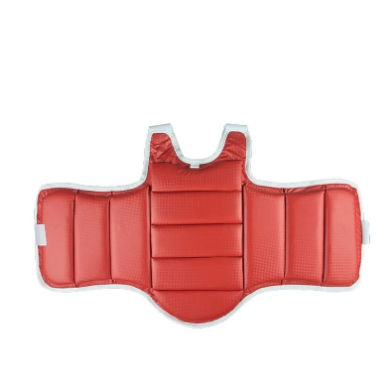
When you're chasing genuine coverage across the torso, chest circumference and shoulder width do more heavy lifting than most people expect. A snug chest measurement prevents that gaping at the armhole, while shoulder width dictates whether the fabric settles cleanly over the deltoids or bunches at the neckline. Skip these two and even a tailored piece will pull awkwardly across the upper back.
Waist and hip measurements matter less for total surface area but more for how the garment hangs from the ribs down. A waist that's too loose lets the hem drift away from the body, breaking the clean line you need for true coverage. Hip width, especially on longer cuts, decides if the lower edge stays put or rides up when you sit.
Finally, torso length ties everything together. A short back measurement throws off the placement of waist seams and hem drops, so coverage ends up either baggy at the shoulders or cropped at the belly. Measure from the base of the neck to the natural waist, then to the hip, and you'll have the numbers that prevent most fit failures.
Choosing the Right Foam Density for Your Sparring Style
The foam density you pick should honestly reflect how often you throw hard shots, not what you aspire to. Lower-density foams around 110-130 kg/m³ feel softer on impact and move quickly, but they compress faster if you regularly train with heavy punchers. If your sparring is mostly touch-and-go technical work, that softer layer won't fight you.
For a mix of speed and moderate power, look at 140-160 kg/m³. This middle range gives enough resistance to protect your partner without turning every exchange into a pillow fight. It also keeps its shape longer when you're drilling combinations at higher volume.
Heavy sluggers need 180 kg/m³ and above. Dense foam absorbs the shock of full-power hooks and body shots without bottoming out against the strike surface. You might sacrifice a little surface softness, but that's a fair trade when both of you are working at fight pace.
How Adjustable Straps Make or Break Protection
A protective shell only performs if it stays exactly where the impact lands. Adjustable straps are the quiet variable: too loose and a knee pad slides downward mid-fall, too tight and circulation or range of motion suffer, forcing you to loosen them just enough to compromise coverage. The difference often comes down to strap geometry—wide, low-stretch webbing distributes tension across a larger area and resists rolling, while narrow elastic straps stretch out after a few sweaty sessions and lose their ability to hold the guard in place.
The placement and hardware matter as much as the strap itself. A single top strap can create a pivot point that lets the bottom edge lift during a slide, whereas a crossed or Y-shaped configuration locks the shell against the limb without needing excessive tension. Buckles that adjust from both sides let you fine-tune fit around uneven muscle or clothing layers, which is why two identical-looking protectors can behave completely differently once you start moving. If the straps work against your body instead of with it, even the most certified padding becomes little more than decoration.
Break-In Periods What to Expect from Custom Padding
The first few wears of custom padding often feel more supportive than soft, with material pressing into spots you didn't know needed relief. That's intentional. Heat and pressure from your body gradually mold the padding to your foot shape, which can take anywhere from a few days to two weeks depending on your daily mileage.
You might notice a mild ache under the arch or a warm sensation across the heel during the initial break-in. This is usually just the padding settling, not a sign it's wrong. Start with two to three hours at a time, then add an hour each day. Sharp, pinpoint pain or numbness means the fit needs a tweak rather than more time.
Signs Your Custom Chest Guard Needs a Fit Adjustment
You might notice the guard shifting sideways during sudden stops or quick direction changes. Instead of staying centered over your sternum, it drifts toward your throwing shoulder, leaving the opposite side of your ribs exposed. This isn't just annoying—it means the straps have stretched or the back plate no longer matches your torso width. A proper fit should feel like the guard is almost glued to your chest, even when you twist at the waist to field a ground ball.
Another red flag is when the bottom edge digs into your stomach every time you bend forward. Custom guards are shaped to follow the natural curve of your ribcage, but if you've gained or lost muscle mass, that curve changes. You'll catch yourself tugging at the lower rim between pitches, trying to pull it away from your belt line. That constant pressure isn't just uncomfortable—it can actually slow your reaction time because your body is bracing for the pinch instead of staying loose.
Pay attention to how the neck opening sits after a few innings. If you're constantly pushing the guard back down because it rides up and taps your collarbone, the shoulder straps are too short or the chest plate is too tall for your frame. A well-fitted custom guard should stay put when you raise your arms overhead, without strangling your throat or sliding back down the moment you relax. Small gaps at the sides are normal, but any movement that requires frequent readjustment means it's time to get re-measured.
FAQ
Wrap a soft tape measure around the fullest part of your chest, just under the arms, and note the number in inches or centimeters. Then measure from the base of your neck to your natural waist to get the torso length. Share both numbers with the maker, and add a note if you prefer a looser or more compressed feel.
Put it on over your gi and move through a few front kicks, blocks, and deep breaths. The guard should stay in place without shifting or digging into your collarbone or ribs. If you can slide more than two fingers under the straps, it probably needs adjustment.
Look for a layered construction with high-density foam or molded plastic over a breathable mesh liner. Leather or synthetic leather exteriors are durable, but a flexible EVA foam core tends to absorb impact while keeping the guard light enough for quick sparring.
Most custom makers let you adjust both. You can often choose the length, thickness, color, and even add your name or dojo logo. Some will also extend side coverage or raise the chest area if you specify that in the order notes.
That depends on how frequently you train and how hard your sparring gets. If you notice cracks, flattened foam, or a strap that no longer holds tension, it is time to replace it. Many practitioners get two to three years of regular use before the protection drops off.
For most people, yes, especially if you have a long torso, broad shoulders, or a shorter frame that standard sizes ignore. A well-fitted guard moves with you instead of against you, so you can focus on technique instead of constantly adjusting it mid-match.
Wipe the exterior with a damp cloth and mild soap after each session, then let it air dry away from direct heat. Do not soak the foam or machine wash it. Store it flat or hung by the straps in a ventilated bag so it keeps its shape.
The biggest one is measuring over thick clothing or pulling the tape too tight. Another is ignoring the maker's sizing guide and choosing a generic small or medium. Always send your raw measurements and describe any fit issues you have had with past guards.
Conclusion
Finding the right custom karate chest guard starts with understanding how your body actually moves in a fighting stance. A guard that fits perfectly when you stand upright may shift, pinch, or leave ribs exposed once you drop into your stance. That is why measuring the torso in your natural fighting position matters more than using standard chest and waist numbers. You want the guard to cover the sternum, floating ribs, and collarbone without riding up or digging into the armpits. Adjustable straps play a huge role here: they let you set the guard snug against your frame while still allowing deep breaths and lateral movement. If the straps are too rigid or positioned poorly, the guard rotates during sparring, creating gaps right where a punch lands.
The foam density you choose should match how hard you train. Lighter, softer foam absorbs quick strikes but compresses under heavy kicks, while high-density foam protects better but feels bulkier and takes longer to break in. Expect a custom pad to feel slightly stiff at first; after a few sessions it should mold to your chest without losing its shape. If you notice bruising under the guard, the padding is either too thin or too soft for your sparring style. Similarly, if you constantly adjust the guard between rounds or find red marks along the strap lines, that is a sign the fit needs a change, not just more break-in time. A well-fitted guard stays in place through every stance change and lets you focus on technique instead of your gear.
Contact Us
Contact Person: Fei Xu
Email: [email protected]
Tel/WhatsApp: +8618631245578
Website: https://www.pandawinsports.com/