

Chinese Emergency Generator Set: Your Reliable Power Backup Solution
2026-08-09
When the lights go out unexpectedly, a dependable power backup isn't just a luxury—it’s a lifeline. Chinese emergency generator sets have quietly become the go-to choice for those who value rugged reliability and smart engineering. At the forefront of this movement is Hichai Power, a brand that combines decades of expertise with innovation tailored to real-world needs. In this article, we’ll dive into what makes these generators a standout solution, and why trusting Hichai could change the way you think about backup power.
What to Look for in a High-Quality Emergency Generator
A generator that kicks in without hesitation is only half the story—true reliability hinges on voltage regulation and frequency stability. Look for models with an automatic voltage regulator (AVR) that keeps output within a tight band, even when the load suddenly shifts. Cheaper units often skimp here, and your electronics will notice. Also, pay attention to total harmonic distortion (THD); anything above 5% can shorten the life of sensitive equipment. Manufacturers that openly publish these specs rather than burying them usually have more confidence in their engineering.
Beyond the power quality, consider how the generator handles real-world conditions. A high-quality unit will have a robust cooling system that can operate continuously at near-rated load without thermal throttling, and a fuel delivery design that avoids vapor lock when it’s blistering hot outside. The enclosure matters too—not just for noise, but for protection against driving rain and dust ingress. If you see a “weather-resistant” label without an IP rating, dig deeper. Generators that integrate weather-sealed outlets and corrosion-treated frames age more gracefully in coastal or humid environments.
Maintenance accessibility often separates the best from the rest. Instead of cramming components into a tight shell, well-designed generators place oil fill ports, air filters, and spark plugs where you don’t need a skeleton arm to reach them. Some now include self-diagnostics that log operational hours and alert you before a potential failure, which is a lifesaver for standby units that sit idle for months. A brand’s warranty length and local service network can also tell you a lot about their long-term commitment—if they only offer a one-year warranty with no nearby authorized repair centers, it’s worth asking why.
How China Became a Leader in Power Generation Equipment
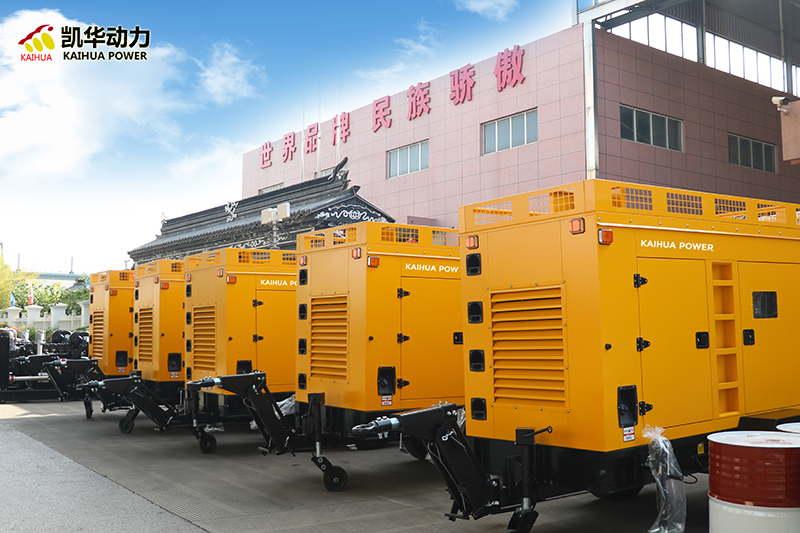
China's ascent in power generation equipment didn't happen overnight. It was a multi-decade journey that kicked off with the country's rapid industrialization in the late 20th century. Faced with surging electricity demand, Chinese firms initially relied on technology transfers and joint ventures with Western and Japanese giants. But they quickly moved beyond simple assembly—state-backed research institutes and massive infrastructure investments allowed domestic companies to master key technologies, from ultra-supercritical coal boilers to massive hydro turbines. By the early 2000s, China wasn't just meeting its own colossal needs; it had started exporting competitively priced, reliable equipment to developing nations across Asia and Africa.
A strategic pivot toward renewables in the 2010s further cemented China's dominance. Government policies like the Renewable Energy Law created a guaranteed market, driving down costs through unprecedented manufacturing scale. Companies like Goldwind and Sungrow leveraged homegrown innovation in wind turbines and solar inverters, while state grid upgrades enabled integration of intermittent sources. China now produces over 70% of the world's solar modules and is a top exporter of nuclear reactor designs like the Hualong One. This ecosystem—cutting-edge R&D, vast supply chains, and ambitious domestic projects—has turned the country into the world's power equipment factory.
What really sets China apart is how it aligned industrial policy with global energy trends. While other nations debated climate goals, Beijing was already building comprehensive industrial clusters—from polysilicon in Xinjiang to offshore wind in Guangdong. These clusters benefit from low-cost labor, integrated logistics, and coordinated government support that few can replicate. Meanwhile, partnerships under the Belt and Road Initiative opened doors for Chinese equipment in over 100 countries, often bundled with financing and construction services. Today, whether it's a coal-fired plant in Indonesia or a hydroelectric dam in Ethiopia, Chinese-made turbines and generators are often the default choice—a testament to decades of patient, strategic effort.
Comparing Diesel, Natural Gas, and Propane: Which Fuel Wins?
When it comes to powering engines, heating homes, or running industrial equipment, the choice between diesel, natural gas, and propane often sparks heated debate. Each fuel carries its own set of strengths and weaknesses, making the 'winner' entirely dependent on the specific task at hand.
Diesel has long been the backbone of heavy-duty applications thanks to its unparalleled energy density and torque. It delivers consistent power in demanding environments, from long-haul trucking to construction machinery. However, it comes with higher emissions of particulates and nitrogen oxides, and its price can be volatile. Natural gas, on the other hand, burns cleaner and is often cheaper, making it a favorite for stationary power generation and some fleet vehicles. The catch? It requires a robust pipeline infrastructure or expensive cryogenic storage if compressed or liquefied, and its energy density is lower, meaning you need larger tanks to travel the same distance.
Propane sits somewhere in the middle. It's cleaner than diesel, more portable than natural gas, and thrives in off-grid scenarios. Forklifts, buses, and rural homes often rely on propane for its balance of convenience and emissions. Yet, it can cost more per BTU than natural gas, and supply shortages occasionally surface during peak winter months. Ultimately, the best fuel isn't a universal champion; it's the one that aligns with your priorities—whether that's raw power, environmental footprint, or bottom-line economics. The real winner is a well-informed choice.
Real-World Backup Power Stories: When Generators Saved the Day
During a fierce winter storm that knocked out power for three days, a small family-run bakery in rural Vermont kept its ovens running thanks to a decades-old diesel generator. The owner, Martha, recalls how neighbors flocked to the warm shop—not just for fresh bread, but for a place to charge phones and share stories. That generator became the heart of the community, proving that backup power isn’t just about electricity; it’s about holding people together when everything else goes dark.
In the aftermath of a hurricane that flooded coastal Texas, a medical clinic’s generator kicked in without a hitch, allowing staff to continue treating patients even as the grid failed for weeks. The clinic’s director said the real relief came when a mother arrived in labor, terrified by the storm, and delivered a healthy baby under the steady hum of backup power. That moment underscored how generators can mean more than comfort—they can mean survival in the most critical of circumstances.
Out in the remote backcountry of Alaska, a hunting lodge relies on a propane generator not as a luxury, but as a lifeline. When a sudden blizzard stranded a group of tourists for an extra five days, the generator kept the lights on, the freezer running, and the satellite phone charged. The lodge owner likes to say that without it, they’d be just another cabin in the woods—with it, they’re a sanctuary. Stories like these remind us that backup power often writes the quiet, unsung chapters of resilience in the face of nature’s unpredictability.
Installation Checklist: Getting Your Generator Ready for Action
Before that first rumble, start by scanning the area. Clear away any debris, dry leaves, or clutter that might have gathered near the unit since last season. A three-foot clearance around the generator isn't just a guideline; it keeps things cool and reduces fire risk. Check the base too—make sure it’s still level and standing firm on its pad, especially after harsh weather.
Next, give the fuel system some attention. For gas-powered models, inspect the fuel line for cracks or stiffness, and if you left fuel sitting in the tank, it might have gone stale—drain and refill with fresh fuel plus a stabilizer if you’re expecting extended use. Propane users should verify the tank level and ensure the regulator is free of grit. A quick sniff test near connections can catch leaks before they become headaches.
Finally, run through the electrical essentials. Confirm the main breaker is off before connecting anything, then check the cords you’ll use—no fraying, no corrosion on the plugs. If your setup involves a transfer switch, test it with a small load first rather than diving straight into full capacity. Ten minutes of prep here can save you from flickering lights or a silent standby when the grid goes down.
Smart Features That Make Generator Monitoring Effortless
Picture this: you’re miles from your backup generator, yet you know exactly what’s happening under its hood. Smart monitoring strips away the guesswork by feeding live performance data straight to your phone or laptop. Voltage, load levels, fuel consumption—every critical metric updates in real time, so you can spot a potential hiccup before it turns into a full-blown problem. It’s like having a 24/7 onsite technician without the overhead.
What really lifts the weight off your shoulders are the automated alerts. Instead of checking on the unit obsessively, you get a nudge only when something needs your attention. A slight dip in oil pressure, an unusual temperature spike, or a scheduled maintenance reminder—these notifications cut through the noise and tell you precisely what’s going on. No false alarms, no endless checking, just the right information at the right time.
Over time, the system learns your generator’s rhythms. It flags patterns you’d otherwise miss, helping you fine-tune run schedules or predict fuel refills. This kind of insight turns monitoring from a chore into a background task that runs itself. You’re free to focus on the rest of your operation, confident that your generator is quietly taking care of itself.
FAQ
An emergency generator set is a backup power system that automatically kicks in when the main grid fails. It's essential for keeping critical appliances running during outages, whether at home, a business, or a construction site.
Chinese generator sets often provide excellent value, combining robust engineering with cost-effectiveness. They meet international standards and are backed by reliable after-sales support, making them a smart choice for budget-conscious buyers.
Most models run on diesel or gasoline, with diesel being popular for its fuel efficiency and durability. Some also offer dual-fuel or natural gas options for greater flexibility.
Absolutely. Many Chinese manufacturers offer heavy-duty units designed for continuous operation in factories, hospitals, and data centers, with power outputs ranging from small portable units to large industrial systems.
Regular maintenance is key: check the oil and filters, run the generator periodically, and keep fuel fresh. It's also wise to schedule professional servicing annually to address any wear and tear.
Yes, many models are portable and quiet, perfect for outdoor activities. Look for inverter generators if you need clean power for sensitive electronics like phones and laptops.
Good generators include automatic voltage regulation, overload protection, and low-oil shutdown. Some also have CO sensors to prevent carbon monoxide buildup, which is crucial for safe operation.
China has decades of experience in manufacturing generators, with continuous innovation in engine technology and quality control. Many global brands source their units from China, reflecting a commitment to reliability and performance.
Conclusion
The search for a trustworthy power backup often leads to Chinese emergency generator sets, now a preferred choice globally for their blend of engineering precision and real‑world reliability. What sets them apart is a manufacturing ecosystem where decades of expertise in diesel and gas engines meet rigorous quality control—think ISO‑certified factories and components tested under extreme loads. When evaluating a unit, look beyond mere wattage; consider how the alternator handles voltage spikes, whether the frame resists corrosion in humid environments, and if the cooling system is designed for prolonged operation. China’s ascent in this sector wasn’t accidental—it was fueled by continuous innovation, competitive supply chains, and a pragmatic focus on solving actual power outage headaches. That same practicality extends to installation: a comprehensive checklist—from proper concrete pad sizing to fuel line inspections and exhaust ventilation—ensures your generator fires up the moment the grid goes down, something often overlooked until it’s too late.
Fuel choice plays a pivotal role in performance, and Chinese generators accommodate all major types—diesel for its raw endurance and efficiency, natural gas for quieter, cleaner running with endless supply from municipal lines, and propane for easy storage and cold‑weather starts. The best solution isn’t universal—it depends on local regulations, fuel availability, and how you value runtime versus environmental impact. Real‑world scenarios drive this home: a factory in Manila kept its assembly lines moving during a week‑long blackout thanks to a diesel unit that automatically switched on, while a Chilean hospital’s natural gas set maintained critical care without missing a beat. Today’s sets go further with smart features—remote monitoring via Wi‑Fi, automatic load balancing, and alerts that warn you of a drop in oil pressure before the engine ever struggles. These innovations transform maintenance from a guessing game into effortless oversight, giving you confidence that your backup power isn’t just equipment—it’s a silent guardian.
Contact Us
Contact Person: Ms. Lu
Email: [email protected]
Tel/WhatsApp: 8618917899306
Website: https://www.hichaipower.com