
China Red Light Therapy Mask: Benefits, How It Works, and Top Picks
2026-08-21
China's beauty enthusiasts are swapping sheet masks for something far more futuristic: red light therapy masks. These LED-powered devices promise collagen-boosting, skin-smoothing results without a clinic visit—and they're quickly becoming a bathroom shelf essential. But how does the light actually work on your skin? And which masks are worth your money? In this post, we cut through the hype, break down the real benefits, and spotlight top picks—including Omeina, a brand that's making professional-grade light therapy surprisingly accessible.
Why Red Light Therapy Masks Are Taking Over Nightstands in China
Walk into a young Chinese woman's bedroom after 10 p.m. and you'll likely spot a hard-shell mask glowing crimson beside the bed, its wearer scrolling through short videos while collagen-stimulating wavelengths do their quiet work. Red light therapy masks have shifted from dermatologist-exclusive treatments to a nightly ritual, with domestic brands like K-Skin and Ulike undercutting imported models by half the price while adding local flourishes such as neck attachments and companion apps that track 'skin cycles.' The appeal isn't just vanity—it's the illusion of clinical precision at home, delivered in a form factor that feels more like a smart gadget than a beauty tool.
Several forces converged to push these devices onto nightstands. First, Chinese consumers already trust tech-forward beauty: LED face masks, radiofrequency wands, and microcurrent devices have long been staples on e-commerce platforms. Red light therapy piggybacked on that trust, with peer-reviewed studies on fibroblast activity and wound healing cited in livestream demos. Second, the post-pandemic 'home spa' habit never faded; instead, it merged with the sleep economy. Brands now market the 10-minute session as a wind-down ritual—pair it with a silk pillowcase and a cup of jujube tea, and the mask becomes part of the bedtime story. Third, social media content shifted from before-and-after photos to 'get ready with me' videos where influencers treat the mask like a piece of tech jewelry, unboxing it with the same reverence as a new phone.
What makes the Chinese adoption distinct is the emphasis on ritual and quantified wellness over pure skincare results. Many masks sync with phone alarms, gently vibrating when the 600-second cycle ends; some even offer a 'morning boost' mode for puffy eyes. The red glow has also been subtly rebranded as a modern twist on traditional light therapy concepts found in old Chinese medical texts, though no mainstream brand explicitly claims that lineage. Ultimately, the mask earns its nightstand space not because it promises a facelift, but because it gives users a visible, scheduled, and strangely soothing act of self-maintenance—one that lets them feel productive while doing absolutely nothing.
What Happens to Your Skin When You Wear One for 10 Minutes a Day
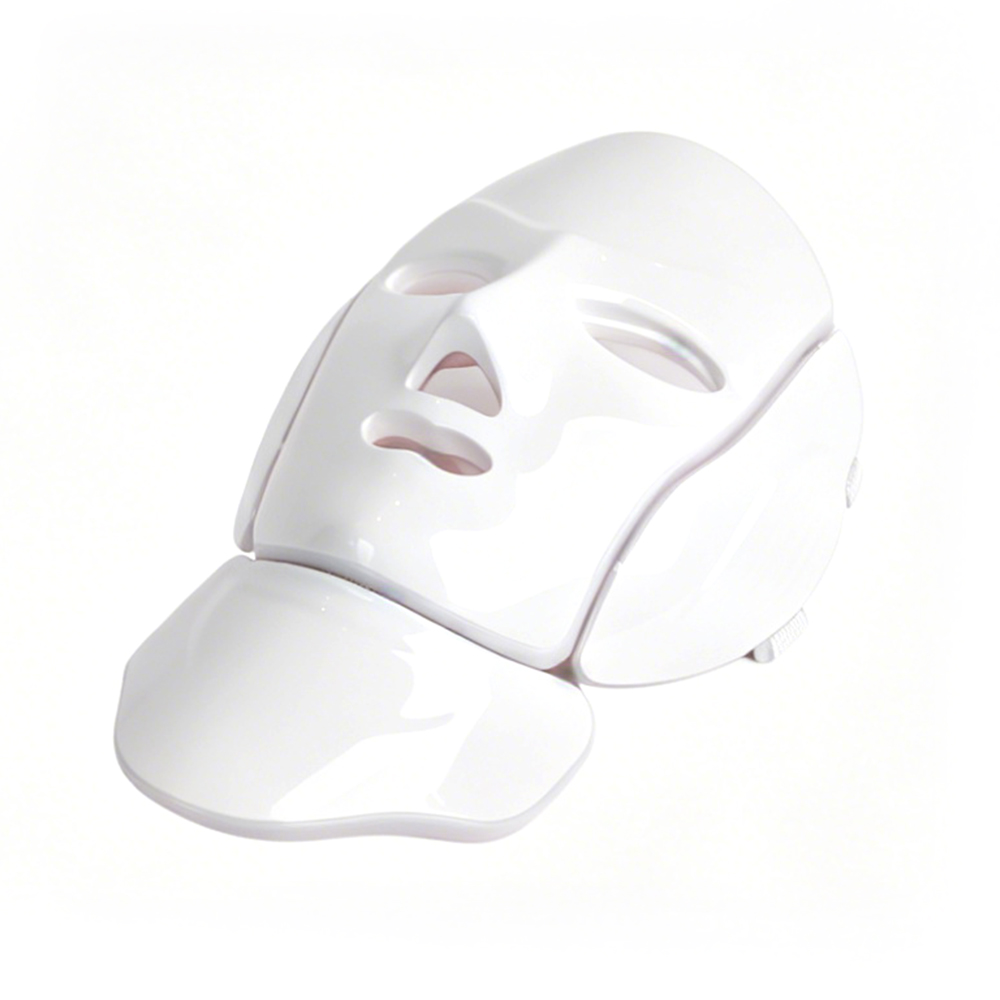
Ten minutes is just long enough for the skin to register a shift. Right after the session, most people notice a faint warmth lingering on the cheeks and forehead, almost like the leftover glow from a brisk walk. That’s increased circulation doing its quiet work—blood moving closer to the surface, carrying oxygen and clearing away the dullness that builds up overnight. It won’t feel dramatic, but the mirror usually tells a slightly fresher story.
If you stick with it daily, the changes move from a just-used-it flush to a this-is-just-my-skin calm. Around the one-week mark, hydration tends to hold better because the skin barrier isn’t working so hard to defend itself. Pores can look a touch smaller, not because they physically shrink, but because surrounding tissue becomes less puffy and congested. Serums and moisturizers also seem to sink in faster, which makes the rest of your routine feel more effective.
Give it a few weeks and the real payoff shows up in evenness. Redness settles, faint sun spots or post-blemish marks soften, and fine lines around the eyes look less pronounced in morning light. It’s not a facelift—it’s more like your skin remembering how to behave. Ten minutes a day is small enough to keep doing, and that consistency is exactly where the visible difference comes from.
The Wavelength Sweet Spot: Red vs. Near-Infrared Light for Different Skin Concerns
Most of the confusion around red and near-infrared light comes down to penetration depth. Red light in the 630 to 660 nanometer range stays mostly in the upper dermis, so it handles surface-level issues well—think fine lines, mild redness, and uneven tone. Near-infrared, typically 800 to 850 nanometers, pushes deeper into the dermis and even subcutaneous tissue, which makes it a better match for stubborn collagen loss and deeper inflammation.
For acne or rosacea, red light tends to be the safer and more direct choice because it calms surface bacteria and irritation without overheating already sensitive skin. If your main concern is deep wrinkles, sagging along the jawline, or long-standing sun damage, near-infrared offers a clear advantage by reaching fibroblasts that sit far below the surface. Just keep in mind that near-infrared can feel warmer, so sensitive skin types may need shorter sessions or lower intensity.
Combining both wavelengths can cover multiple depths at once, but more isn't always better. The real sweet spot depends on your skin thickness and where the problem actually lives—red light may be plenty around the thin eye area, while the cheeks and lower face often benefit from near-infrared. Matching the wavelength to the target depth, rather than assuming longer is stronger, is what makes the difference.
From Acne to Fine Lines: Real Benefits That Go Beyond a Healthy Glow
It’s easy to get caught up in chasing a lit-from-within glow, but the changes that actually matter happen on a deeper level. When breakouts start calming down, the same ingredients that cleared your acne often work on the fine lines you didn’t even notice were forming.
Take retinoids, for instance. They speed up cell turnover, which helps unclog pores and fade post-acne marks, but they also nudge your skin into producing more collagen. That’s why, after a few months, the area around your eyes and mouth looks smoother—not just brighter.
Niacinamide and azelaic acid pull similar double duty: they calm redness and even out tone while gradually softening the look of early wrinkles. The real payoff isn’t a temporary shine; it’s skin that feels firmer, bounces back faster, and stays clearer over time.
How to Choose a China-Made Mask Without Falling for Gimmicks
Walk into any pharmacy or scroll through an online marketplace, and you’ll drown in a sea of claims: five-layer filtration, activated carbon magic, nano-silver miracles. Most of it is noise. The first real step is to ignore the front of the package almost entirely and flip it over. Look for a recognized standard printed directly on the mask itself, not just the box. For everyday use, that usually means GB/T 32610 or the newer GB 2626-2019 for respiratory protection. If you see only “filtering rate 99%” with no national standard code, put it back.
Next, pay attention to the physical details that manufacturers skimp on when chasing trends. A proper nose clip should be a solid, bendable metal strip hidden inside the top edge, not a flimsy piece of plastic coated with foil. Check the ear loops: are they welded flat against the mask body or just glued on with a tiny dot? Rough, cheap glue joints fail after an hour of talking. Also flex the mask gently near the edges. Quality melt-blown fabric feels dense and slightly papery, not thin like a coffee filter. If the mask collapses flat when you breathe in hard, the structure is weak.
Finally, stop paying extra for fancy valve covers, printed patterns, or “antibacterial” coatings. A valve only helps with exhaled moisture and does nothing for incoming air quality. Most decorative prints use non-woven ink that can clog the filter media. The boring, plain white or light blue mask with a clear standard code, a strong nose clip, and tight ultrasonic welds will almost always outperform the gimmick-laden option at half the price. Buy a small pack first, open one mask, inspect it in daylight, and only then trust it for daily wear.
Top Picks That Actually Deliver: Three Masks Worth Your Attention
Most masks promise a spa-level reset but deliver nothing more than a damp face and a lighter wallet. The exceptions, though, are worth hunting down. These three stand out because they solve specific problems without the fluff—no exaggerated claims, just formulas that do what the jar says.
The first is a gel-based hydrator that sinks in like a cool drink on a hot day. It's loaded with panthenol and glycerin, and unlike many sheet masks, it won't drip down your neck. Ten minutes with this on feels closer to a professional facial than a ten-dollar treat. Next, a clay mask that actually balances: it pulls congestion from the T-zone but leaves your cheeks feeling soft rather than tight and flaky. That rare middle ground is what makes it a repeat buy. Finally, an overnight sleeping mask with a whipped, almost mousse-like texture. You wake up with the kind of plump skin that usually requires a full night's sleep and a very good moisturizer.
What ties them together is restraint. Each formula focuses on a handful of active ingredients rather than a kitchen-sink list. If you've been burned by overhyped masks before, these are the three that earn their place in your weekly rotation.
FAQ
Many Chinese manufacturers have invested heavily in LED technology and offer masks with higher diode counts, adjustable wavelengths, and lower price points than Western brands. The build quality varies, so it is worth checking user reviews and certifications. Some models also include pulse modes or app control that add useful flexibility.
The mask emits red and near-infrared light at specific wavelengths, usually between 630 and 850 nanometers. These wavelengths penetrate the skin and are absorbed by mitochondria in cells, which boosts ATP production. That extra energy helps cells repair themselves faster and reduces low-level inflammation behind many skin concerns.
Regular sessions can smooth fine lines, improve skin elasticity, and speed up healing after breakouts. Many users also notice a more even skin tone and less redness over several weeks. The effects are subtle and cumulative rather than dramatic overnight, so consistency matters more than occasional long sessions.
Red light therapy is generally gentle, but some people may experience temporary dryness, mild redness, or eye strain if they skip protective goggles. Anyone taking photosensitizing medication or with a known light-triggered condition should check with a doctor first. Avoid overuse because longer sessions do not necessarily mean better results.
Most at-home masks work best with 10 to 20 minute sessions three to five times per week for at least a month. After the initial phase, two or three sessions a week often maintain the improvements. Keeping a simple log of your skin changes can help you decide whether to adjust frequency.
Prioritize verified wavelengths in the 630 to 660 nanometer red range and 810 to 850 nanometer near-infrared range. Check the number of LEDs, light output, fit for your face shape, and whether the brand offers clear safety certifications. A mask that feels comfortable to wear is more likely to become a habit, which is the real key to results.
They can help with both. Blue light is usually the primary wavelength for killing acne-causing bacteria, but red light reduces inflammation and supports skin repair, which often calms active breakouts. Many Chinese masks combine red, blue, and sometimes yellow or purple modes for a more versatile routine.
Most manufacturers include protective goggles or build eye shields into the mask design. Even though the light is not as intense as laser therapy, closing your eyes alone may not be enough for comfort, especially with near-infrared LEDs. Using the provided goggles or blackout covers is a simple way to avoid strain.
Conclusion
The overnight rise of red light therapy masks in China isn't just another skincare fad. Pop one on for ten minutes while you scroll or wind down, and the panels deliver low-level wavelengths that your skin cells actually use. Most quality masks stick to a mix of red light around 633 nm for surface concerns like texture and redness, plus near-infrared around 830 nm for deeper collagen support. That gentle, non-UV light reaches fibroblasts and nudges them to produce more ATP, which fuels repair. It isn't a tanning session or a laser zap—your skin just gets a quiet, daily dose of cellular housekeeping.
The payoff shows up in ways that go past a temporary glow. Consistent use can calm active breakouts, soften fine lines around the eyes and mouth, and even out tone without the peeling or downtime of stronger treatments. When shopping for a China-made mask, ignore the wild wattage claims and look for independent lab reports, a comfortable fit, and a clear split between red and near-infrared modes. Three standouts in the current market share the same practical traits: a flexible silicone body, evenly spaced diodes, and a treatment time of ten minutes or less. None of them will replace sunscreen or a good moisturizer, but they earn their spot on the nightstand by doing one thing reliably—making your skin look like it got more sleep than you did.
Contact Us
Contact Person: Tina Liu
Email: [email protected]
Tel/WhatsApp: 8618681405932
Website: https://www.omeinabeauty.com/