
China Red Light Therapy: Exploring the Science and Benefits
2026-08-11
Once dismissed as a niche wellness fad, red light therapy is now making waves across China's booming health scene — and for good reason. From state-of-the-art clinics to at-home devices, the science behind those crimson wavelengths is finally getting the attention it deserves. As research uncovers how specific light spectrums can recharge cells, reduce inflammation, and rejuvenate skin, one name keeps surfacing among enthusiasts: Omeina. But what exactly makes this therapy so effective, and why are China's innovators leading the charge? Let’s peel back the layers of light, biology, and bold new beauty rituals.
The Science Behind the Glow: Decoding Red Light Therapy
At its core, red light therapy harnesses specific wavelengths of light—typically in the 620 to 750 nanometer range—to trigger biochemical changes deep within your cells. Think of it like photosynthesis for humans. Just as plants convert sunlight into energy, our cells contain chromophores that absorb red and near-infrared light. The star player? Cytochrome c oxidase, a mitochondrial enzyme that acts like a cellular ignition switch, revving up ATP production and giving your cells the energy boost they need to repair and rejuvenate.
This isn't just wishful thinking—the science stacks up. When those photons hit your mitochondria, they help displace nitric oxide, a molecule that can clog the energy-production line under stress. Clearing the path allows oxygen to bind more efficiently, supercharging the electron transport chain. The result is a cascade of benefits: reduced inflammation, faster tissue repair, and even a surge in collagen synthesis, all without a single degree of heat. It's a gentle, non-invasive nudge that whispers to your body's natural healing mechanisms, rather than shouting over them.
Beyond Skin Deep: How Red Light Therapy Boosts Overall Health
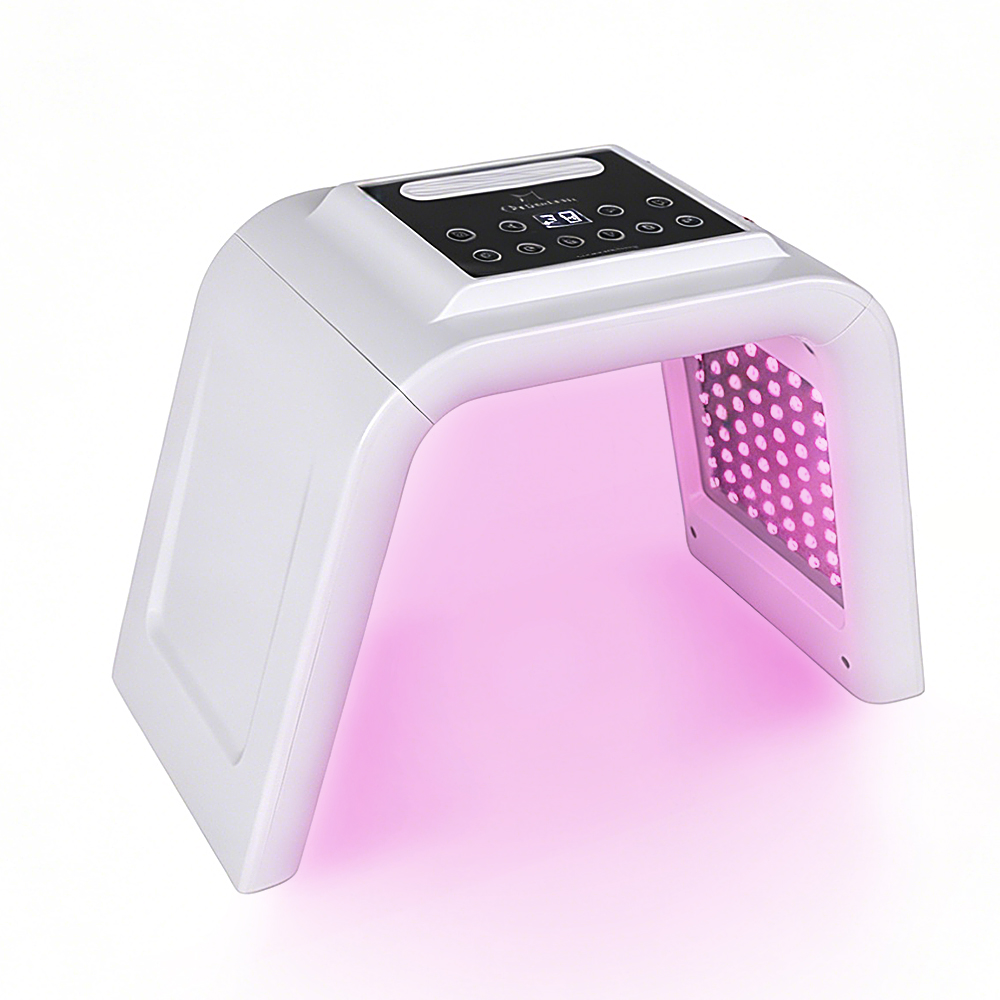
Most people associate red light therapy with glowing skin and wrinkle reduction, but the benefits extend far beyond the surface. While it’s true that specific wavelengths can stimulate collagen and calm inflammation in the skin, the real magic happens deep within the body’s cells. This non-invasive treatment triggers a cascade of biological processes that can enhance everything from muscle recovery to cognitive function, making it a versatile tool for anyone seeking holistic improvement.
At the cellular level, red and near-infrared light energize the mitochondria, often called the powerhouses of our cells. This boost in adenosine triphosphate production gives cells more fuel to perform their functions efficiently. As a result, tissues repair faster, inflammation decreases, and circulation improves. These fundamental changes create a ripple effect, supporting organ health, balancing hormones, and even strengthening the immune system without the need for medications or drastic lifestyle changes.
Unlike many wellness trends that focus on isolated issues, red light therapy addresses the body as an interconnected system. Regular sessions have been linked to better sleep patterns, reduced joint pain, and sharper mental clarity. Athletes use it to speed up recovery, while others rely on it to manage chronic conditions like arthritis or fibromyalgia. It’s a gentle yet scientifically grounded approach that moves past superficial fixes, offering a way to nurture vitality from within.
China's Growing Fascination with Light-Based Healing
In recent years, urban centers across China have seen a quiet surge in spas and wellness clinics offering light-based treatments that promise everything from pain relief to skin rejuvenation. Walk into a high-end salon in Shanghai or Beijing, and you’re likely to encounter glowing testimonials for red light therapy beds or blue light acne treatments, often backed by a blend of traditional Chinese medicine framing and modern tech appeal. This isn’t a fleeting trend—it reflects a deeper cultural pivot toward non-invasive, holistic health solutions that align with both ancient philosophies and contemporary lifestyles.
Behind this fascination lies a growing body of local research and a market flooded with affordable, portable LED devices that have made light therapy accessible beyond professional clinics. Social media platforms like Xiaohongshu and Douyin amplify the buzz, with influencers and everyday users sharing before-and-after photos that fuel consumer curiosity. Combined with rising disposable incomes and a post-pandemic emphasis on self-care, light-based healing has carved out a distinct niche, particularly among younger generations eager to experiment with technologies that feel both futuristic and natural.
Yet, the allure isn't just about aesthetics or gadgetry. Many Chinese practitioners integrate light therapy into broader wellness routines that include acupuncture, cupping, and herbal remedies, positioning it as a modern extension of age-old healing traditions. This hybrid approach—merging photons with meridians—offers a symbolic bridge between China’s past and its tech-forward future, making light-based healing not just a treatment, but a cultural statement about what it means to be well in today’s rapidly changing society.
From Labs to Living Rooms: The Rise of At-Home Devices
Not long ago, advanced diagnostic tools and health monitors were confined to hospitals and research facilities, accessible only through a doctor’s referral. Today, that landscape has shifted dramatically. Compact, user-friendly devices now let individuals track everything from blood pressure to sleep patterns in their own homes. This migration from clinical settings to personal spaces marks a fundamental change in how we approach wellness, putting real-time data directly into the hands of everyday users.
The driving force behind this shift isn’t just technological advancement—it’s a growing desire for autonomy. People want to understand their bodies without waiting for an appointment. As sensors became smaller and software savvier, companies began designing products that feel less like medical equipment and more like lifestyle accessories. A glucose monitor no larger than a coin or a ring that tracks sleep stages exemplifies this seamless integration. These devices subtly gather insights while blending into daily routines, making health management almost invisible.
Yet the rise of at-home devices raises new questions about reliability and interpretation. Are readings accurate enough to guide decisions? Can users distinguish between a blip and a warning sign? The industry is responding with smarter interfaces and educational resources, but the learning curve remains. Ultimately, the journey from labs to living rooms isn’t just about convenience—it’s about reshaping our relationship with health, turning passive patients into active participants.
Real Results: What Users in China Are Saying
Li Wei, a graphic designer in Shanghai, used to spend hours each day manually organizing client files. After switching to our platform, he cut that time by more than half. “I actually leave the office before 7 p.m. now,” he told us. “It feels like I’ve gotten my evenings back.”
In Beijing, retired teacher Zhang Min never thought she’d pick up a new language at 62. But using the platform’s interactive lessons, she now holds basic conversations in Spanish during her weekly video calls with her granddaughter in Madrid. “The app doesn’t make me feel old,” she laughed. “It just makes me feel connected.”
Across dozens of user interviews, one theme keeps coming up: the platform doesn’t just solve a problem—it fits into real Chinese lifestyles. From WeChat integration to local payment options, users say the experience feels built for them, not just translated.
Myths vs. Facts: Clearing Up Red Light Therapy Misconceptions
Plenty of people assume red light therapy is just another wellness fad with zero scientific backing. That's simply not the case. Researchers have been exploring how specific wavelengths interact with cells for decades, and a growing body of clinical work points to benefits for skin health, muscle recovery, and even easing inflammation. The key distinction is that we’re talking about non-thermal, low-level light — not the kind that would ever burn or damage tissue when used correctly.
Another widespread idea is that any red-colored bulb will do the trick. This leads folks to grab cheap alternatives that deliver little more than ambient lighting. Effective therapy requires devices emitting precise wavelengths, typically in the 630–660 nanometer and 810–850 nanometer ranges, with enough power density to reach cells beneath the skin. Without those parameters, you’re just basking in mood lighting, not accessing the biological responses linked to improved mitochondrial function and collagen production.
You’ll also hear people dismiss red light therapy as unsafe for regular use because it’s a form of radiation. That’s a misunderstanding rooted in mixing up ionizing and non-ionizing radiation. The wavelengths used in these treatments are non-ionizing, similar to visible light, and lack the energy to damage DNA. While eye protection is recommended and overuse should be avoided, the technology has a solid safety record when applied as directed, making it a practical option rather than a risky experiment.
FAQ
Red light therapy involves exposing the body to low-wavelength red light, typically between 620 and 750 nanometers. This light penetrates the skin and is absorbed by mitochondria, the energy centers of cells. The absorption boosts adenosine triphosphate (ATP) production, reduces oxidative stress, and triggers repair processes that enhance cell function and regeneration.
It's becoming popular because more Chinese consumers are seeking non-invasive wellness solutions. A growing interest in self-care, combined with the influence of social media and endorsements by health influencers, has made it a trendy topic. Also, as people look for alternatives to pharmaceuticals for skin and pain issues, red light therapy fits nicely into the modern pursuit of tech-based health management.
People use it for a variety of reasons: improving skin texture and reducing wrinkles, speeding up wound healing, relieving joint pain and muscle soreness, and even enhancing hair growth. Some studies suggest it can help with inflammation and sleep quality by regulating circadian rhythms, though individual results vary.
There's a decent amount of research, especially in dermatology and sports medicine. Clinical trials have shown it can promote collagen production and reduce inflammation. However, not all claims are equally backed—while the evidence for skin rejuvenation and pain relief is fairly strong, other benefits like mood enhancement or weight loss have limited support and need more study.
Generally, it's considered safe when used correctly. The main concern is eye strain, so protective goggles are recommended. Overuse might cause skin sensitivity or redness, but this is rare. People with light-sensitive conditions or those taking certain medications should consult a doctor first. Quality devices also matter—poorly made ones could emit harmful wavelengths or inconsistent energy.
Consistency is key. Most people use a device for about 10–20 minutes a day, focusing on specific areas like the face or sore muscles. It can be done in the morning to boost energy or in the evening as part of wind-down time. The key is to make it a habit without overdoing it; listening to your body helps you find the right frequency.
Check the wavelength range—630–670 nm for skin and 810–850 nm for deeper tissue are typical. Look for high irradiance (power output) and a device with a good safety profile, like FDA clearance or CE marking. Avoid dubious online-only brands with no customer support. Reading real user reviews and understanding the dose per session is more useful than just chasing the lowest price.
They differ in purpose and mechanism. Red light therapy targets skin and surface tissues using visible spectrum light to trigger cellular repair. Infrared saunas use far-infrared heat to warm the body, promoting detoxification and relaxation through sweating. While both can help with pain and circulation, red light is more about tissue regeneration, whereas infrared saunas are about thermal effect. Some people combine them for broader benefits.
Conclusion
China's embrace of red light therapy reflects a growing curiosity about how specific wavelengths can trigger cellular repair and rejuvenation. At its core, the science revolves around mitochondria absorbing red and near-infrared light, which boosts adenosine triphosphate production and reduces oxidative stress. This isn't just about vanity—though improved skin texture and collagen synthesis are common draws. The benefits extend to muscle recovery, joint pain relief, and even cognitive support, aligning with traditional Chinese wellness philosophies that prioritize holistic balance. As clinical studies gain traction and local manufacturers innovate, more people are turning to light-based healing as a complement to modern medicine, sparking a cultural shift where ancient practices and futuristic tech converge.
The real transformation is happening at home, where compact panels and wearable devices are making therapy accessible without clinic visits. Users across social platforms share stories of eased chronic back pain, reduced acne scars, and better sleep—testimonials that fuel a market flooded with options. Yet misconceptions persist, from exaggerated anti-aging promises to fears of radiation. Clearing the air requires honest science: red light therapy is non-ionizing and gentle, but consistency matters more than intensity. What's emerging in China is a shared learning curve, where first-hand experience and word-of-mouth are demystifying the technology. The result is a pragmatic, user-driven movement that's reshaping personal health routines from Beijing to Guangzhou.
Contact Us
Contact Person: Tina Liu
Email: [email protected]
Tel/WhatsApp: 8618681405932
Website: https://www.omeinabeauty.com/