

China Plastic Packaging Trends Shaping the Future of Flexible Solutions
2026-08-01
As China’s e-commerce boom continues to rewrite logistics rules, the demand for smarter, more sustainable flexible packaging is skyrocketing. But what are the key trends driving this transformation, and how will they shape the next generation of solutions? From bio-based materials to intelligent designs, the future is unfolding faster than ever—and industry leaders like Sanrong Packaging are at the forefront of this evolution.
Material Innovations Redefining Shelf Appeal
The surfaces we touch and the textures we see now carry more weight than ever in grabbing attention. Matte finishes that resist fingerprints, soft-touch coatings that invite a repeated stroke, and embossed patterns that catch light just so—these details turn a simple box into a tactile experience. Brands are moving away from the predictable gloss and standard paperboard, instead experimenting with materials that feel substantial and almost object-like. A detergent bottle wrapped in a pebbled skin or a chocolate bar sheathed in velvety paper doesn’t just sit on the shelf; it demands to be picked up.
Sustainability has also become a texture of its own. Post-consumer recycled boards with visible flecks, plant-based films with a natural crinkle, and biodegradable foams that yield slightly under pressure—these signals of eco-consciousness are now part of the aesthetic equation. Customers read these material cues faster than any label, associating the rough-hewn look of bagasse with authenticity and the sleek transparency of compostable cellulose with modernity. It’s no longer enough to simply claim ‘green’; the packaging itself must visually and physically embody that shift, creating a shelf presence that feels honest and innovative at once.
Some forward-leaning brands layer in surprise through material behavior. Thermochromic inks that reveal a playful message under a warm hand, pearlescent coatings that shift from gold to blue with a tilt, or thin wood veneers that carry the faint scent of cedar—these elements blur the line between packaging and product. They turn an ordinary moment of reaching for a face cream or a snack into an interaction that sparks curiosity. In a sea of identical boxes, it’s the unconventional material that whispers ‘different’ before a single word is read.
Smart Packaging Gains a Foothold in Everyday Goods
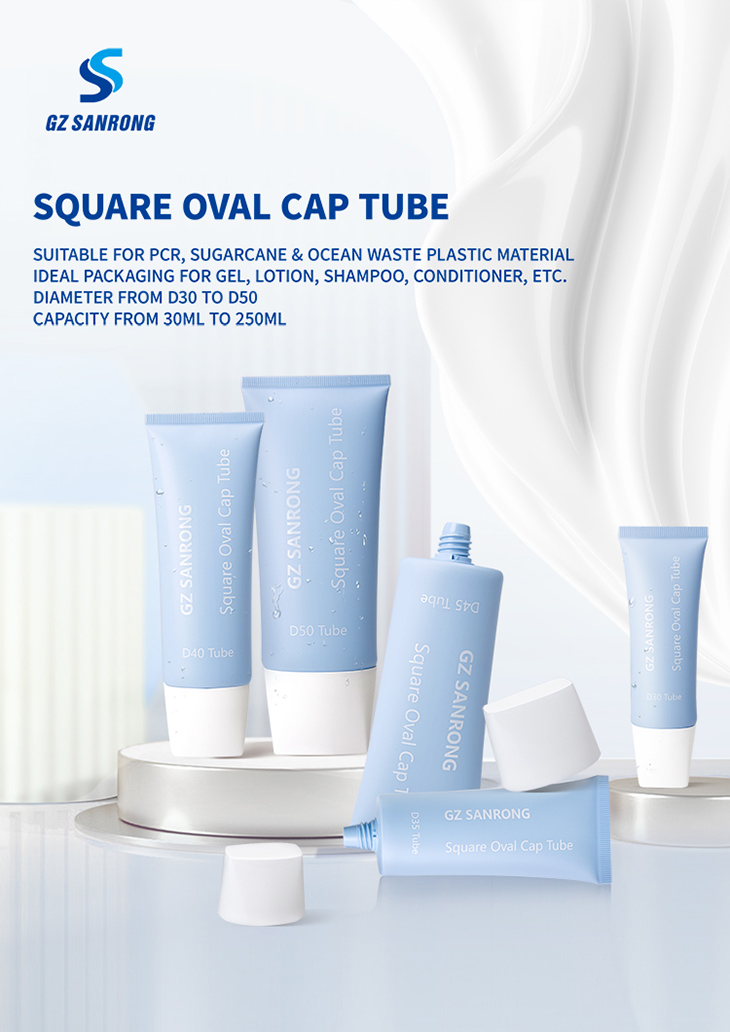
Scanning a QR code on a pasta box to watch a chef demo or tapping a milk carton with your phone to check its cold chain journey is no longer futuristic—it’s quietly becoming normal. These features, once exclusive to luxury items or niche subscription boxes, are now popping up on supermarket shelves, often without fanfare. The shift isn’t dramatic; it’s just there, like the unassuming tag on a bottle of olive oil that tells you the olives were pressed within hours of harvest. What’s interesting is how seamlessly these interactions blend into routines, making packaging part of the product experience rather than something to discard immediately.
What’s driving this isn’t a single breakthrough but a convergence of cheaper sensors, thinner batteries, and printable electronics. A bandage wrapper that reminds you to change it or a coffee bag that degrades only after you’ve opened it relies on materials that didn’t exist at scale a decade ago. Companies aren’t shouting about the tech; they’re letting the utility speak. A chip embedded in a wine label can now monitor temperature fluctuations across continents, but the consumer just gets a simple message on their phone indicating if the bottle has been heat-damaged. It’s the invisible intelligence that makes these upgrades feel less like gimmicks and more like logical evolution.
Yet the foothold is still uneven. You’ll find a smart label on a jar of premium honey but not on the budget version, and many people still don’t notice or use the capabilities. Part of the challenge is avoiding feature fatigue—nobody wants a shampoo bottle that requires a tutorial. The most successful examples are almost invisible: a freshness indicator on meat that changes color based on actual spoilage, not a date stamp. That kind of intuitive feedback doesn’t need instructions. And as reuse and refill models expand, packaging that can track its own lifecycle—how many times a container has been filled, when it needs cleaning—might stop being a novelty and start being the default.
Sustainability Pressures Spark a Circular Shift
The mounting call for sustainability is no longer a distant murmur—it’s a deafening demand reshaping how businesses operate. From stricter regulations on waste to a seismic shift in consumer expectations, companies are under unprecedented pressure to abandon the linear ‘take-make-dispose’ model. This isn’t just about compliance anymore; it’s a survival strategy. Those clinging to outdated practices are finding their supply chains disrupted, their reputations tarnished, and their bottom lines eroded by resource scarcity and volatile prices.
In response, a quiet but powerful transformation is underway: the pivot to circularity. Instead of merely tweaking existing processes, forward-thinking organizations are redesigning products for longevity, repairability, and eventual disassembly. Materials are being kept in play through take-back schemes, remanufacturing, and innovative sharing platforms that turn users into temporary custodians rather than owners. It’s a fundamental rethink of value creation, where waste becomes a design flaw and every output seeks a new purpose.
This shift isn’t happening in a vacuum—it’s being fueled by a blend of necessity and opportunity. Tighter environmental laws are forcing transparency, while investors increasingly reward circular initiatives. At the same time, digital tools are making it easier to track materials across lifecycles, forging new collaborations between industries once siloed. The result is an economic model that doesn’t just reduce harm but actively regenerates systems, turning sustainability pressures into a catalyst for lasting innovation.
Local Production Networks Accelerate Speed to Market
Tapping into local production networks dramatically compresses the timeline from concept to customer. By sourcing materials and manufacturing close to target markets, companies sidestep the delays of long-distance logistics, customs bottlenecks, and supply chain disruptions. This proximity enables rapid prototyping, iterative testing, and faster response to shifting demand—turning weeks-long shipping into days-long sprints.
Beyond the logistical leap, local ecosystems foster collaboration that speeds problem-solving and innovation. Engineers, designers, and suppliers can meet in person, align on specifications in real time, and troubleshoot on the factory floor without the friction of time zones or language barriers. That agility translates directly into shorter production cycles and a sharper competitive edge, especially in industries where trends evolve overnight.
Finally, localized production reduces the risk of overproduction and waste, since smaller, demand-driven batches can be replenished quickly without tying up capital in inventory that sits in transit. This lean approach not only accelerates delivery but also aligns with growing expectations for sustainability and ethical sourcing. In a marketplace that rewards speed and responsibility, local networks are becoming the default engine for getting products to shelves faster.
Customization Becomes the New Standard for Brands
Off-the-rack just doesn’t cut it anymore. Walk into any boutique or scroll through a brand’s latest collection, and you’ll notice the same shift—customization everywhere you look. It’s no longer a nice-to-have gimmick reserved for luxury shoppers. Today, even morning coffee orders and skincare routines are personally tailored, because people expect more than a one-size-fits-all solution.
What’s interesting is how this changes the relationship. When a brand lets you choose the strap color of your watch or tweak the formula of your moisturizer, it’s not just about the product. It’s about feeling seen. There’s a quiet satisfaction in unwrapping something that feels like it was made with you in mind, and that feeling sticks. That emotional connection makes you want to come back, not because you have to, but because the brand remembers who you are.
Forward-thinking companies are already building systems where personalization isn’t an afterthought—it’s the backbone. From algorithm-driven fashion suggestions to build-your-own subscription boxes, the message is clear: brands that don’t adapt risk feeling obsolete. The mass market is splitting into a million micro-audiences, each expecting to be treated like an individual. And in that landscape, the real standard isn’t perfection—it’s personal relevance.
Regulatory Changes Push for Cleaner Material Streams
Governments worldwide are tightening regulations to reduce contamination in recycling streams, a shift that is fundamentally altering how industries source and process materials. Extended producer responsibility (EPR) laws, for instance, are placing the onus on manufacturers to design products with end-of-life recovery in mind. This regulatory momentum is not merely a compliance burden; it is driving innovation in material sorting technologies and fostering markets for high-purity recycled feedstocks.
The European Union’s Circular Economy Action Plan and similar initiatives in North America are setting stricter limits on contaminants in waste exports, forcing exporters to invest in cleaner processing lines. As a result, material recovery facilities are upgrading optical sorters and AI-driven robotics to meet purity thresholds that were unthinkable a decade ago. These changes are reverberating through supply chains, making clean material streams a competitive advantage rather than a niche sustainability goal.
In response, forward-thinking companies are collaborating across sectors to standardize material specifications and traceability systems. By embracing these regulatory pressures, they are not only avoiding penalties but also securing access to premium markets that demand verified recycled content. The convergence of policy and technology is thus turning what was once a waste problem into a strategic resource, reshaping industrial ecosystems around the principle of clean material circulation.
FAQ
The surge in e-commerce, demand for convenient food packaging, and advancements in material technology are pushing flexible solutions forward. Lightweight designs also reduce shipping costs, which appeals to cost-conscious brands.
Manufacturers are increasingly adopting recyclable mono-materials and bio-based plastics. There's also a shift toward thinner gauges and designs that minimize waste, aligning with China's dual carbon goals.
Food and beverage, personal care, and pharmaceutical sectors are leading due to extended shelf life needs and portion control. Stand-up pouches and spouted bags are especially popular in these markets.
Innovations like high-barrier films, digital printing, and smart packaging with QR codes enable better product protection and consumer engagement. Automation in manufacturing is also cutting lead times.
Yes, stricter regulations on single-use plastics are prompting a switch to reusable and recyclable formats. The government's plastic restriction policies are accelerating the development of eco-friendly alternatives.
Urbanization and on-the-go lifestyles drive demand for resealable, easy-to-carry packs. Aesthetic appeal and clear labeling also influence purchasing decisions, pushing brands to invest in premium-looking flexible options.
Conclusion
China's plastic packaging sector is undergoing a rapid transformation that redefines how flexible solutions meet market demands. Material breakthroughs are creating films and laminates with striking clarity and tactile finishes, elevating shelf presence without sacrificing durability. At the same time, smart features like QR codes and NFC tags are appearing on everyday pouches and wraps, allowing consumers to verify authenticity or access usage tips simply by scanning their phones. These technological leaps are not just novelties—they are becoming baseline expectations as brands compete for attention in crowded retail spaces.
The push toward circularity is accelerating, driven by both consumer pressure and tightening regulations that demand cleaner material streams and higher recycling rates. Mono-material structures and bio-based polymers are moving from pilot projects to commercial scale, supported by localized production hubs that slash lead times and allow rapid response to shifting specifications. Customization has emerged as a key competitive lever: digital printing and flexible manufacturing enable short runs with variable designs, letting brands tailor packaging to regional events or seasonal campaigns without inventory bloat. Underpinning all this is a regulatory environment that increasingly favors traceability and eco-design, closing the loop on waste and nudging the entire value chain toward resilient, future-proof solutions.
Contact Us
Contact Person: Alex Wu
Email: [email protected]
Tel/WhatsApp: 86-20-37965868
Website: https://www.gzsanrong.com/en.html