

Boron Carbide Tiles Vendor Guide for Selecting a Reliable Supplier
2026-11-16
Finding a dependable supplier for boron carbide tiles can make or break your project—poor quality or unreliable delivery often leads to costly delays and performance failures. Instead of sifting through countless vendors, a focused guide saves you time and reduces risk. HUAYI TECH has spent years refining what to look for in a partner, from material purity to consistent batch testing. This guide distills those insights so you can evaluate suppliers with confidence and avoid the common traps that plague procurement teams.
Where Most Buyers Go Wrong When Vetting Boron Carbide Tile Vendors
Most purchasing teams start by lining up quotes, but that is exactly where the trouble begins. Boron carbide is notoriously hard to densify, and a supplier can list the right chemical composition while still shipping tiles with 2-4% residual porosity if their hot-press cycle drifts. Basic density checks often miss this unless you use Archimedes method with a wetting agent and follow up with cross-section micrographs. Always ask for lot-specific porosity readings and the actual pressure-temperature profile, not a prefilled datasheet.
Another frequent mistake is assuming all boron carbide powder behaves the same. Raw powder source, grain size spread, and trace sintering aids change ballistic performance and multi-hit durability more than most buyers expect. Low-cost vendors may blend recycled or off-spec powder that passes a simple assay yet shows uneven grain boundaries under load, which leads to early edge chipping or inconsistent V50 results. Request a certificate covering batch chemistry, average grain size, and mechanical property data from at least three consecutive production runs.
The third blind spot is trusting in-house test reports without an independent audit. Have a recognized lab run the ballistic or wear testing on the exact tile geometry you are buying, and if possible witness the production run. Pay attention to vendors who cannot provide raw lab data files, who are vague about the testing facility, or who quietly switch their backing-plate sub-supplier between qualification and delivery. Those are the gaps that turn a good sample into a bad field lot.
The Hidden Cost of Skimping on Material Purity
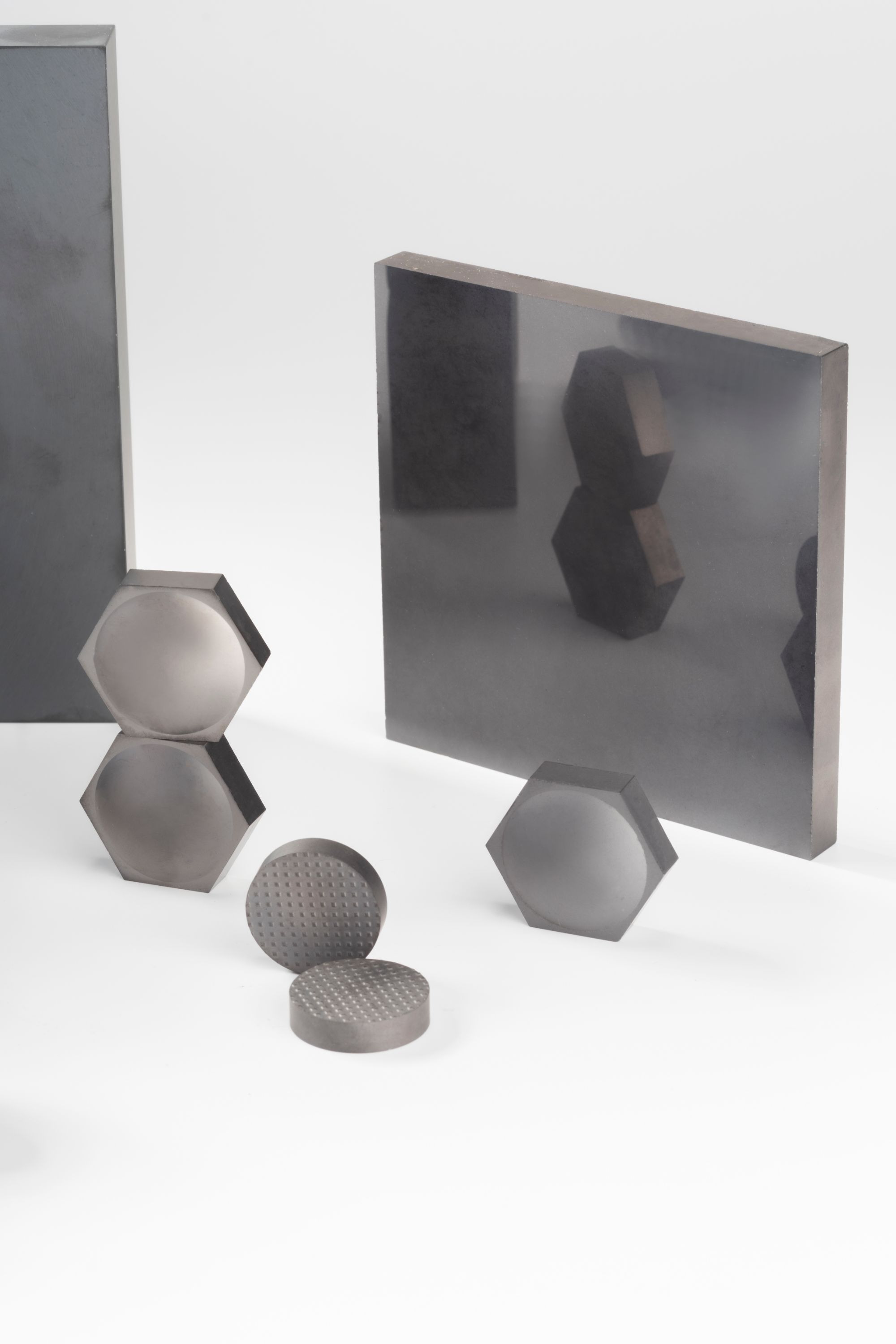
Saving a few dollars on lower-grade feedstock rarely shows up as a line item on the initial invoice. It shows up later, as pitted valve seats in a chemical line, as a batch of tablets that fails dissolution testing, or as microcracks in a turbine blade that no one catches until the warranty has expired. The pattern is always the same: the discount was visible, the fallout was not.
Material purity often gets treated as a negotiable spec right up until it isn't. Trace metals, residual solvents, or off-ratio alloying elements don't just sit there—they migrate, react, and accelerate wear in ways that standard incoming inspection rarely catches. One contaminated lot can force a full production halt, trigger a customer audit, or send engineers chasing a failure that looks like a design flaw but is actually a supply-chain decision made months earlier.
The real cost of skimping isn't the difference between 99.5% and 99.9% purity. It's the rework, the scrap, the field failures, and the quiet erosion of trust that follow. Teams that map total cost of ownership tend to reach the same conclusion: the "expensive" high-purity material was never the expensive option.
How Production Methods Quietly Shape Tile Durability
The way a tile is pressed during manufacturing often leaves subtle fingerprints on its final strength. Many factories use high-pressure compaction to eliminate trapped air pockets, but the exact pressure curve matters more than the peak force. A gradual ramp-up followed by a short dwell time at maximum pressure tends to produce a denser body than a quick, jarring press cycle—even if both machines claim the same rated tonnage.
Kiln temperature profiles are equally decisive, though rarely discussed outside technical circles. A tile fired too quickly through the early stages can develop micro-cracks that remain invisible until years of thermal cycling finally expose them. Slower pre-heating zones allow organic binders to burn off cleanly, while a controlled cooling phase prevents residual stresses from locking into the vitrified surface. These choices aren't about the final temperature listed on a spec sheet; they're about how long the tile spends at each intermediate stage.
Raw material blending adds another layer of quiet influence. Producers who grind clays and fluxes to a narrower particle distribution can achieve better vitrification at lower temperatures, resulting in a tile that resists moisture absorption without becoming overly brittle. Meanwhile, the addition of recycled pre-fired scrap—often called grog—can improve dimensional stability but may introduce tiny variations in density that affect long-term wear. None of these details appear in a typical product brochure, yet they accumulate into the difference between a tile that lasts a decade and one that lasts three.
Certifications That Actually Back Up a Supplier's Claims
A supplier can wave a wall of certificates at you, but unless you know what each one actually verifies, you're just collecting paper. Start with the basics: ISO 9001 is a solid baseline for quality management, but it doesn't tell you if the product itself meets a specific standard. For that, look for marks tied to the product's intended use — like UL or ETL for electrical safety, NSF for food-contact materials, or CE for compliance with EU directives. The key is to ask for the certificate number and verify it directly with the issuing body; a real certification will have a traceable audit trail, not just a logo on a brochure.
Beyond the generic badges, dig into certifications that reflect the supplier's actual production environment. RoHS and REACH confirm restricted substances are controlled, which matters if you're shipping to Europe or selling to eco-conscious buyers. For textiles, OEKO-TEX or GOTS go beyond chemical safety to cover process and social criteria. If the supplier claims "military-grade" or "medical-grade," push for the specific standard — MIL-STD-810 for ruggedness or ISO 13485 for medical devices — and check whether the test reports are from an accredited lab. A supplier that hesitates to share the full report likely has something to hide.
Finally, treat certifications as a snapshot, not a lifetime guarantee. A certificate issued three years ago may not reflect current production runs, especially if the supplier has shifted factories or raw material sources. Ask for the latest surveillance audit results and compare the scope of certification to your exact SKU — a supplier certified for "plastic injection molding" isn't necessarily covered for the overmolded rubber handle you're ordering. When in doubt, request a sample batch test against the same standard before you commit to volume. That's how you turn a paper claim into a reliable supply chain signal.
Getting the Dimensions and Surface Finish Right the First Time
When a part comes off the machine and immediately passes inspection, it feels less like luck and more like the result of decisions made hours earlier. Getting dimensions right the first time starts with understanding how material behavior shifts under cutting forces, temperature changes, and tool wear. Instead of relying on a final measurement to reveal problems, machinists who succeed treat the first cut as a test of the entire setup—checking that the workholding is rigid, the tool offsets reflect actual geometry, and the feed and speed match the material's tendency to spring back or chatter.
Surface finish is often treated as a separate concern, but it rarely improves by polishing a poorly machined surface. The same variables that cause a bore to come out undersized—vibration, built-up edge on the insert, or excessive stepover—also leave visible tool marks. Dialing in the right finish means choosing a nose radius that won't tear the material, keeping coolant flow consistent enough to prevent thermal distortion, and accepting that a slightly slower finishing pass may save time compared to reworking a shiny but out-of-tolerance part.
The real skill isn't correcting mistakes after inspection; it's building a process where the first good part isn't an accident. That requires documenting what actually worked on the previous job—not just the programmed values, but the measured offsets, the tool wear at the end of the run, and any manual adjustments made at the control. Over time, these notes become a shortcut to predictable results, letting a shop hit both the tolerance band and the specified roughness without relying on a second operation or a hopeful final skim cut.
Why Your Supplier's Shipping Record Deserves a Closer Look
Most buyers glance at a supplier's on-time delivery rate and move on. That single number rarely tells the whole story. Dig into the actual shipping record and you'll often find patterns hiding beneath the surface: repeated short shipments, last-minute route changes, or a habit of marking orders shipped before they leave the dock. These details don't appear in a standard scorecard, but they affect your shelf stock and your cash flow more than any aggregate percentage ever will.
A supplier's past freight behavior is one of the most honest signals you can get. Look beyond the totals. How do they handle partial loads during peak season? Do they consistently book the cheapest carrier regardless of transit risk? When you request a specific delivery window, does the record show genuine effort or a series of convenient excuses? Whether you're working with a new vendor or re-evaluating an existing one, the granular shipping history reveals whether you're dealing with a partner who plans ahead or one who improvises after things go wrong.
The cost of ignoring these details shows up later as expedited freight charges, stockouts on promotional weekends, or damaged pallets from rushed handling. Take thirty minutes to review the actual shipment log, not just the summary dashboard. Count the exceptions, read the notes, and compare the promised dates against the proof-of-delivery timestamps. That closer look often separates suppliers who merely talk about reliability from those who have built it into their day-to-day operations.
FAQ
Focus on density, hardness, and grain structure. A reliable supplier should provide test data like Vickers hardness and bulk density, and be transparent about raw powder sources. Minor variations in sintering can significantly affect ballistic performance.
Ask for a plant tour or live video walkthrough of the sintering furnaces and pressing lines. Genuine manufacturers can explain their hot-press parameters and show in-process quality checks. If they hesitate or only share brochures, treat that as a red flag.
ISO 9001 is a baseline, but for armor applications look for NIJ compliance testing, ISO 17025 lab reports, or equivalent ballistic certifications. Ask whether the certificates cover the specific tile grade you are buying, not just the company as a whole.
Request pricing that separates material, tooling, packaging, and freight. Clarify tolerance expectations and scrap responsibility. Low per-kilogram prices often hide extra charges for custom sizes, edge finishing, or documentation.
For standard sizes, four to six weeks is common. Custom shapes with tight tolerances may take eight to twelve weeks depending on tooling and furnace capacity. A supplier that promises much faster delivery for complex parts should be asked how they manage quality under time pressure.
Yes, always. Ask for samples from the same production line as your intended order, not hand-picked coupons. Test them in your own setup or through an independent lab for hardness, density, and ballistic performance before committing.
Very important. A dependable vendor will help with installation guidance, bonding methods, and troubleshooting cracking or spalling. If their support ends after shipping, future reorders become riskier, especially for armor system integration.
Vague references like "military clients" without verifiable case studies, inconsistent density values across datasheets, and unwillingness to provide a reference contact are warning signs. Ask for specific application contexts and, if possible, speak with previous buyers about long-term consistency.
Conclusion
Most buyers approach boron carbide tile sourcing with a checklist that misses the subtle failure points. They compare spec sheets and price per kilogram, then wonder why tiles crack prematurely or wear unevenly. The real problems start earlier: material purity is often treated as a negotiable line item, but even small amounts of free carbon or metallic impurities weaken grain boundaries and reduce ballistic performance. Cheap feedstock might pass an initial density test yet fail under repeated impact. Production methods matter just as much. Hot-pressed tiles behave differently from sintered ones, and pressure, temperature ramp, and cooling cycles leave fingerprints in the microstructure that no post-polish can fix. If a vendor cannot explain their furnace profiles or raw powder sources, that silence is a risk, not a trade secret.
Beyond the lab results, certifications deserve scrutiny because not all paperwork carries the same weight. A supplier may list ISO 9001, but that only confirms process consistency, not product performance. Look instead for batch-specific test reports covering density, hardness, fracture toughness, and ballistic limit, ideally from an independent lab. Dimensional tolerances and surface finish are where otherwise capable vendors stumble: boron carbide is notoriously difficult to grind, and a slight taper or micro-chipping along edges can create stress risers in armor assemblies. Ask for first-article inspection reports and confirm how the supplier handles non-conforming parts. Finally, shipping record often gets ignored until a crate arrives with corner damage or delayed customs paperwork. A vendor that packages tiles with proper foam separation, shock indicators, and moisture barriers, and who has delivered similar orders to your region without incident, is worth far more than a lower quote. Reliable supply is a system, not a transaction.
Contact Us
Contact Person: Junting Leo
Email: [email protected]
Tel/WhatsApp: +86 18615009766
Website: https://www.huayimaterial-china.com/