

Best Water Jet Sewer Machine Dealers for Reliable Equipment and Service
2026-11-02
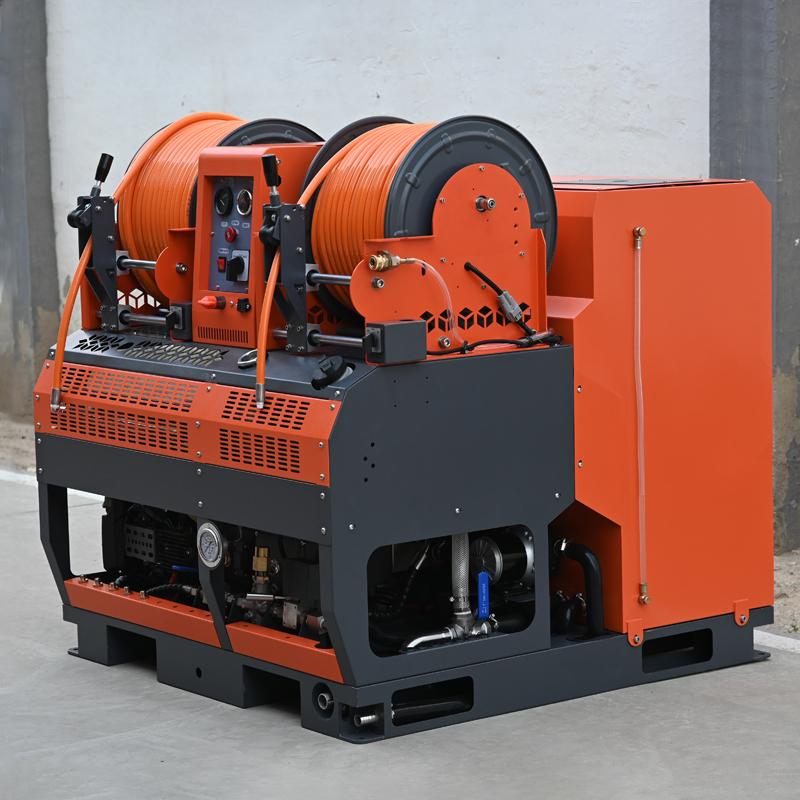
Finding a water jet sewer machine dealer that actually delivers on both equipment quality and service can feel like searching for a needle in a clogged pipe. Too many suppliers promise heavy-duty performance, only to leave you stranded mid-job with a machine that can't clear the line. That's where AMJET comes in — a name that keeps showing up when contractors talk about dependable pressure and support that answers the phone. But before you commit, it's worth looking at what separates standout dealers from the rest. In this guide, we'll break down what reliable really means for sewer jetting equipment, and how the best dealers keep your crew moving when the job gets messy.
What a Dependable Dealer Looks Like in the Field
The first thing you notice about a dependable dealer in the field is their punctuality and readiness. They don't show up late or rush through the visit; instead, they arrive a few minutes early with the right tools, samples, and paperwork already organized. They greet you by name, recall the details of your last order, and ask about a specific issue you mentioned weeks ago. This isn't scripted friendliness—it's the result of keeping careful notes and treating every account as more than just a number.
Beyond showing up on time, a dependable dealer shares information that actually helps you run your business. If a product is backordered or a batch had a known defect, they tell you upfront and suggest a workable alternative instead of hoping you won't notice. They don't oversell features you'll never use, and they're honest about delivery windows. When a new item arrives that fits your customer base, they bring a sample without being asked, because they've been paying attention to what moves off your shelves.
When something goes wrong in the field—a late shipment, a wrong item, a sudden price change—a dependable dealer doesn't dodge the call or blame the warehouse. They take ownership on the spot, even if it means standing in your stockroom to sort boxes or calling their manager while you wait. They follow up the same day with a written summary of what was promised and when it will be resolved. That kind of follow-through, without drama or excuses, is what separates a dependable dealer from someone who just takes orders.
Questions That Uncover Real Support, Not Just Sales Talk
Every vendor promises the moon once you start talking pricing. The real test happens when you ask about what goes wrong. Instead of “How good is your support?” try “Walk me through a recent outage and exactly what your team did in the first hour.” If they hesitate, blame the customer, or give you a scripted response, that’s your signal. Real support shows up in messy, specific details—not in a slide deck.
Another way to cut through the sales haze is to ask for references from customers who churned. It sounds awkward, but watch how they handle it. A partner with genuine confidence will admit failures and explain the fixes. Ones hiding behind “we don’t share that” are likely protecting a weak spot. You’re not looking for perfection—you’re looking for honesty under pressure.
Finally, ask how they measure support internally. If the only metric they mention is “ticket closed time,” run. That rewards quick fixes, not real solutions. Listen for phrases like “time to first meaningful response” or “reopened ticket rate.” When a company cares about those numbers, it means they’re actually living the support promise—not just rehearsing it for the call.
How Good Equipment Providers Handle the First Service Call
The first service call often starts with a frustrated operator and a machine that refuses to cooperate. Good equipment providers don’t just log a ticket and promise a callback. They answer with someone who knows the equipment line, asks for the serial number and exact fault codes, and listens for clues in the operator’s description—unusual noises, recent maintenance, or changes in material. This initial five minutes of focused questions cuts down on wasted trips and gets the right parts loaded before the van ever leaves the shop.
Once the call is opened, strong providers set a realistic arrival window and stick to it. They send a technician who has worked on that specific model before, not whoever happens to be closest. Before dispatch, they check inventory against the reported symptoms and pack common failure parts—sensors, belts, drive boards—so a single visit fixes the issue most of the time. If traffic or a prior job runs long, the provider calls the customer before the customer has to call them, updating the ETA with a direct line to the dispatcher.
After the repair, the best teams don’t vanish. They walk the operator through what went wrong, run a test cycle together, and leave a short written summary with part numbers and torque settings if relevant. Within a day, a follow-up call checks that the machine is holding up and asks about any repeat alarms. That follow-through turns a breakdown into a relationship, and it’s why buyers remember which provider picks up on the first ring the next time a line goes down.
Choosing a Machine That Fits Your Actual Pipe Conditions
Nominal pipe specs rarely tell the whole story. A length of 6-inch schedule 40 might leave the mill with a wall thickness that varies by 12.5 percent, pick up a few thousandths of scale, and arrive on site with an oval cross-section that no catalog photo ever shows. Before settling on a cutting or beveling machine, measure the actual outside diameter at several points, check wall thickness near the weld seam and opposite it, and note any internal coating or corrosion. That field data—not the purchase order—should drive your clamping range, feed rate, and cutter selection.
Once you have real numbers, match the machine’s grip to the pipe’s worst condition. If the ends are out-of-round, a self-centering chuck or adjustable jaw set will hold better than a fixed V-block. Heavy mill scale or a prominent internal weld bead usually demands more torque at the spindle and a tool slide with enough travel to clear the high spots. Don't overlook the work area either: a compact pneumatic unit might outwork a larger hydraulic model when you're cutting in a ditch or inside a 24-inch culvert.
A practical check is to run a demo on the ugliest section of pipe you can find on the job. Let the supplier set up on a corroded, slightly egg-shaped piece with the coating still intact. If the machine clamps without slipping, feeds smoothly, and leaves a square face without chewing up the tooling, it's probably right for your conditions. Guessing from a brochure shot of clean, new pipe is how expensive mistakes get made.
The Local Advantage When Something Goes Wrong
When a pipe bursts at 2 a.m., the difference between a national call center and a local plumber becomes painfully clear. The local plumber answers the phone himself, already knows the layout of older homes in the neighborhood, and can be at your door in twenty minutes with the right fittings in the truck. There is no ticket number, no three-hour window, and no scripted apology—just someone who treats your emergency as their own because their reputation a few streets away depends on it.
The real value shows up after the first fix. If the repair fails or a new leak appears, a local contractor will typically come back the same day without charging a second dispatch fee. They have seen that exact problem in a dozen other houses built by the same developer thirty years ago, so they know which joints are likely to fail next. That kind of hard-won local knowledge cannot be replicated by a remote support team reading from a troubleshooting guide.
There is also an unspoken layer of accountability. A local business lives on word of mouth. When something goes wrong, they are not hiding behind a corporate phone tree; they are the ones who have to face you at the grocery store or the school pickup line. That pressure pushes them to make it right quickly, often going beyond the minimum warranty because the cost of a bad review in a tight community is far greater than the cost of a few extra parts.
Straight Answers on Maintenance Costs and Downtime
Many maintenance budgets are built on guesswork rather than measured data. A pump replacement might look cheap until you add the cost of lost production while the line is down. Straight answers start by separating planned spend from emergency repairs—the latter often running three to five times higher per incident once overtime, expedited parts, and scrapped output are counted.
Downtime is not a single number. A 30-minute stop on a bottleneck machine can idle an entire shift, while the same 30 minutes on a non-critical asset is barely noticed. Tracking mean time between failures and mean time to repair alone won't give you the full picture; you also need to know which failures block revenue. That distinction changes where you put your maintenance dollars.
The most honest conversations about maintenance cost begin with a simple question: are you paying to prevent failures or paying after they happen? Reactive work may look cheaper on paper because it avoids routine service charges, but it quietly transfers risk into lost orders and shortened asset life. A straight answer means showing both columns side by side before deciding.
FAQ
Focus on dealers who offer hands-on training, quick parts access, and a service line that actually picks up. The best ones stock common wear items and can walk you through a hose burst at 6 p.m. instead of telling you to call back Monday.
Ask about their rebuild and inspection process. Reliable dealers tear down and pressure-test every unit before it ships, and they're upfront about hours on the pump. If they dodge questions about past failures or won't share service records, walk away.
A cheaper machine from a distant dealer becomes expensive the first time you lose a day of work waiting for a courier. Local dealers with their own repair van can often get you running same-day, and they understand the soil and pipe conditions in your area.
Great dealers treat you like a contractor, not a commission. They ask about your typical line size and debris load before recommending anything, and they'll tell you when a smaller, less expensive unit will do the job. Average dealers just push the biggest model on the floor.
Critical. Sewer work doesn't wait for backordered nozzles. A dependable dealer keeps a deep inventory of hoses, nozzles, and O-rings, and they can overnight anything unusual without making you feel like a burden. Ask for a sample parts list before you buy.
Yes, and you should insist on it. Reputable dealers will arrange a demo on your own job site or at their facility, with your crew running the controls. If a dealer refuses a real demo or only offers a video, that's a red flag about their confidence in the equipment.
Beyond the warranty, expect access to a technician who knows your specific unit, scheduled maintenance reminders, and honest advice on when to replace parts versus rebuild them. Good dealers follow up after a month, not just to upsell, but to ask how the machine is holding up.
Conclusion
A dependable water jet sewer machine dealer rarely starts with a catalog. They ask about your pipe diameters, the usual blockages—grease, roots, scale—and whether you work in residential basements or city mains. That first conversation tells you if they understand field conditions. When a machine breaks or underperforms, the best providers handle the initial service call with a technician already familiar with your setup, not a generic call-center script. They keep common wear parts on hand and can walk you through a quick diagnostic over the phone. That level of support can't be faked.
Local presence matters more than most buyers expect. If a high-pressure pump fails on a Friday afternoon, a dealer 30 minutes away can drop off a replacement hose or switch, while a distant supplier leaves you waiting until Monday. Straight answers on maintenance costs and downtime separate honest dealers from order-takers. They should give you realistic intervals for nozzle replacement, pump oil changes, and hose testing before you sign anything. Don't settle for vague claims about low maintenance or top quality. Ask what downtime actually looks like for a typical job and how quickly they can respond with parts. The right equipment choice matches your actual pipe material—old clay, cast iron, PVC—and your access points. Dealers who combine that fit with quick local response and transparent running costs are the ones worth keeping on your crew's contact list.
Contact Us
Contact Person: Mike
Email: [email protected]
Tel/WhatsApp: +86 19545555505
Website: https://www.amjeting.com/