

Best Tactile Switches Manufacturer: Your Guide to Superior Components
2026-06-22
Ever press a key and feel that perfect bump? That's the magic of a great tactile switch. In the quest for the ideal feel, sound, and durability, the manufacturer behind the component makes all the difference. Whether you're building a custom mechanical keyboard or developing a high-end industrial interface, choosing the right supplier is critical. At KEJIAN ELECTRONICS, we don't just produce switches—we engineer tactile experiences that stand up to millions of actuations. This guide will walk you through what separates superior tactile switches from the rest, and why partnering with a specialist can elevate your project from good to unforgettable.
The Secret Life of a Keypress: What Makes a Tactile Switch Stand Out
You press a key and something clicks. But beneath that split-second interaction lies a carefully engineered moment—a tiny, deliberate bump that separates a forgettable keystroke from a satisfying one. Tactile switches don't just register your input; they whisper back to your fingertips, confirming the action before the screen even responds. The secret? A meticulously shaped leaf or bump on the stem that creates a sudden change in force, a small hill your finger has to climb and then coast down. It’s that crisp feedback, that soft but unmistakable nudge, that makes you feel connected to the machine in a way linear or clicky switches never quite manage.
What elevates a tactile switch above its peers is the character of that bump. Some are round and gentle, rolling under the finger like a well-worn pebble; others are sharp and immediate, snapping with an urgency that demands attention. The position of the bump also writes its own story—early in the travel for typists who want instant confirmation, or riding higher near the top for gamers who hover and feather their keys. Materials come into play too: the subtle friction of POM on POM, the dull thud of a nylon housing, all coloring the sound and feel. It’s this interplay of geometry, timing, and texture that transforms a simple electrical contact into a miniature haptic event.
And yet, the real magic of a tactile switch lies not in its specs but in how it disappears into your workflow or play. A truly great tactile doesn’t make you think about the switch; it just makes typing feel right—less fatiguing, more fluid. It’s the difference between tapping on a glass screen and turning the page of a book. That little resistance, that transient barrier you overcome over and over, becomes a rhythm. And when you find the switch that matches your pace, the keyboard stops being a tool and starts feeling like an extension of thought.
Beyond the Click: Evaluating Manufacturer Expertise
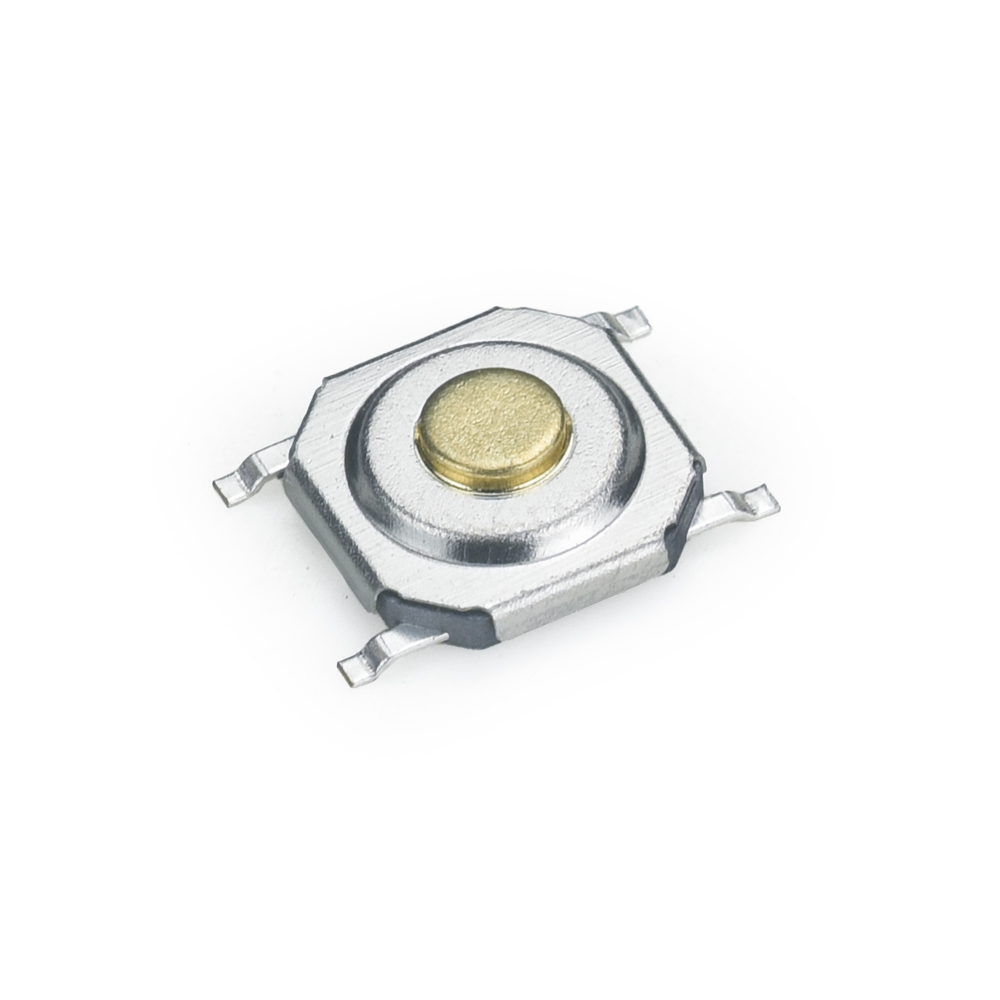
When vetting a manufacturer, the initial click-through from a polished website can be misleading. True expertise lives in the nuances that digital brochures often hide—the depth of engineering know-how, the flexibility of their production lines, and the unspoken commitment to material integrity. A factory’s real capability isn’t measured by its online presence but by the consistency of its output under pressure, the way it handles unexpected design challenges, and the subtle signs of craftsmanship that only reveal themselves over time.
Digging deeper means examining their track record with complex projects, not just high-volume runs. It’s about the conversations that happen on the shop floor when a tolerance slips, the quiet confidence of a lead machinist who can spot a flaw before it becomes scrap. You want a partner who views your product not as another line item but as a test of their own standards—someone whose problem-solving instinct kicks in before you’ve even finished describing the issue. That kind of expertise doesn’t translate into spec sheets or portfolio galleries.
Finally, evaluate the manufacturer’s adaptability. Markets shift, materials evolve, and a truly skilled team will have the institutional muscle to pivot without losing stride. Look for evidence of iterative improvement in their processes, a curiosity about new technologies, and a culture where knowledge is shared rather than siloed. When a manufacturer treats your project as a collaborative challenge rather than a transactional sale, you’ve moved beyond the click and into a relationship built on proven capability.
Materials Matter: Inside the Build of a Premium Switch
Every touchpoint of a premium switch tells a story—not just of design, but of the precise selection that goes into every polymer, alloy, and plating. The housing isn't simply molded; it's engineered from polycarbonate blends or PBT, chosen for their acoustic resonance and resistance to wear. Nylon top covers aren't an afterthought—they absorb the harshness, leaving a deep, muted clack that feels deliberate. Even the choice between gold, silver, or palladium contacts isn't about luxury; it's about corrosion resistance and consistent actuation over millions of cycles. When you rest your fingers on these keycaps, you're feeling the weight of deliberate material science.
Move beneath the surface and the story deepens. Spring steel in the mechanisms isn't generic—its tension curve is painstakingly profiled to deliver a snappy rebound without ringing. Lubrication isn't applied haphazardly; a thin film of Krytox or similar perfluoropolyether grease is manually brushed onto sliders to smooth out scratchiness without muting the character. The stem, often a composite of POM, glides within rails that are diamond-polished to micron tolerances. It's in these invisible details—the absence of grit, the whisper-quiet travel—that a premium switch separates itself from mass-market alternatives.
What truly sets a flagship switch apart isn't a single material, but the deliberate contrast between them. A brass weight plate adds heft and a lower center of gravity, canceling hollow vibrations. Silicone dampeners nestle between layers, soaking up the shock that would otherwise translate into fatigue over a long typing session. Even the dye-sublimated legends on the keycaps are fused into the plastic at a molecular level, ensuring they won't fade. This isn't just a switch; it's a curated collection of substances, each selected not for what it is, but for how it makes you feel when you press down.
Customization Without Compromise: Tailoring Switches to Your Product
Every product has a unique feel and function, and the switches inside should reflect that identity. Instead of settling for off-the-shelf components that almost fit, you can fine-tune actuation force, travel distance, and tactile feedback to match your exact design language. This isn't about adding options for the sake of it—it's about ensuring the switch becomes an invisible, integral part of the user experience.
True customization means rethinking the entire switch architecture without sacrificing reliability. From the choice of contact materials to the housing geometry, each parameter can be adjusted while maintaining consistent performance across millions of cycles. You get a switch that feels like it was designed alongside your product, not bolted on as an afterthought.
The process goes beyond simple color or branding changes. Engineers work closely with you to model and prototype variations, testing for electrical characteristics and mechanical endurance in your specific application. The result is a switch that complements your product's ergonomics and aesthetics, delivering a cohesive experience that no generic part can match.
The Testing Gauntlet: How Top Manufacturers Ensure Durability
Behind every durable product lies a brutal regimen unknown to most consumers. Top manufacturers don’t just hope their goods survive the real world—they simulate years of abuse in a fraction of the time. From rapid temperature swings that crack inferior materials to thousands of hours of abrasive friction, these labs push components past their breaking point to map exactly where and how they fail.
The real secret isn’t a single test but the layers of cumulative stress that mirror the chaos of daily life. A smartphone gets dropped onto concrete from multiple angles, then immediately submerged in water, then baked under UV light—all before a lunch break. By chaining these punishments together, engineers spot cascading weaknesses that isolated tests would miss, refining everything from material selection to seal geometry until the product outlasts even the most demanding expectations.
Future-Proofing Your Design: Innovations in Tactile Feedback
As screens flatten and devices shrink, the need for rich, nuanced touch feedback grows sharper. Haptic technology is moving beyond simple vibrations into precise, programmable textures that mimic real-world surfaces. Engineers are now embedding micro-actuators and electrostatic systems that can simulate the click of a physical button or the grain of sandpaper, all without moving parts. This shift demands that designers consider how tactile language evolves alongside visual interfaces, ensuring that touch remains a primary channel for communication.
Emerging materials like shape-memory alloys and dielectric elastomers are rewriting the rules of what a surface can feel like. These materials deform and recover in real time, creating dynamic, reconfigurable textures on demand. Imagine a dashboard that dimples to guide your fingers or a phone screen that stiffens where you need grip. Integrating such innovations means rethinking prototyping pipelines—simulating not just look and feel, but the emotional response that a squeeze or a slide should evoke. The goal is a seamless blend of hardware and sensory design that anticipates user intent before a gesture completes.
The next leap lies in personalization and context-awareness. By coupling tactile feedback with sensor data and machine learning, interfaces can adapt touch responses to individual habits or environmental conditions. A mobile device might offer softer feedback late at night or increase resistance in wet conditions. This adaptive haptics approach moves away from one-size-fits-all patterns, demanding design systems that are flexible and data-aware from the ground up. Future-proofing means building feedback loops that learn, so the experience feels alive and uniquely tuned to every user.
FAQ
Tactile switches provide physical feedback through a noticeable bump partway through the keypress, letting you know the actuation point without having to bottom out. This combines the precision of mechanical switches with a satisfying feel, making them popular for both typing and gaming.
Look for manufacturers with a track record of consistent quality control, detailed specifications like actuation force and travel distance, and use of premium materials such as gold-plated contacts. Customer reviews and industry certifications can also hint at long-term reliability.
The housing and stem materials directly influence durability, sound, and feel. For instance, POM stems tend to be smoother, while polycarbonate housings produce a sharper sound. High-quality metals in the contact leaves ensure minimal corrosion and consistent performance over millions of keystrokes.
For heavy daily use, a switch with a mid-range actuation force (around 55–65g) and a durable build, like those from Cherry MX (Brown) or Gateron (Brown), often works well. But 'best' really depends on personal preference for tactility strength and noise level—testing a few samples is ideal.
A frequent mistake is focusing solely on the brand name without considering switch specifications or trying them out first. Overlooking the keyboard's PCB compatibility (3-pin vs 5-pin) or ignoring the difference between tactile and 'clicky' can also lead to disappointment.
Tactile switches appear in many devices needing reliable user input—medical equipment, automotive controls, industrial machinery panels, and consumer electronics like remote controls. Their precise feedback is crucial where visual confirmation isn't always possible.
Conclusion
The difference between a forgettable typing experience and one that feels deliberate lies in the tactile switch's nuanced engineering. It's not just about registering a press—a quality switch provides a crisp, responsive bump that guides the finger without overwhelming noise, a feedback loop that top manufacturers obsess over. Evaluating a partner goes beyond spec sheets: you need a team that understands how contact leaf geometry, spring force curves, and housing acoustics interplay. The raw materials separate genuine durability from brittle imitations. Premium manufacturers invest in gold-plated contacts for corrosion resistance, POM stems for smooth travel, and precisely molded bases that minimize wobble over millions of cycles. This foundational quality starts in the supply chain, where traceable alloys and high-grade thermoplastics aren't negotiable.
Customization is where a supplier proves their agility—whether you need a subtle 55 gram bump for medical devices or a firm 78 gram snap for industrial controls, they should adjust force curves without forcing you into cookie-cutter options. Real-world longevity isn't assumed; it's verified through relentless testing regimens that simulate extreme temperatures, dust, and fluid exposure far beyond typical use. But the real test is a partner who looks ahead. Emerging technologies like contactless Hall Effect sensing, programmable actuation points, and haptic driver integration are redefining what tactile feedback means. The best manufacturers don't just keep up—they co-develop these advances, helping your product feel not just current, but genuinely ahead of the curve.
Contact Us
Contact Person: Anna lin
Email: [email protected]
Tel/WhatsApp: +86 13567768885
Website: https://www.kjele.com/